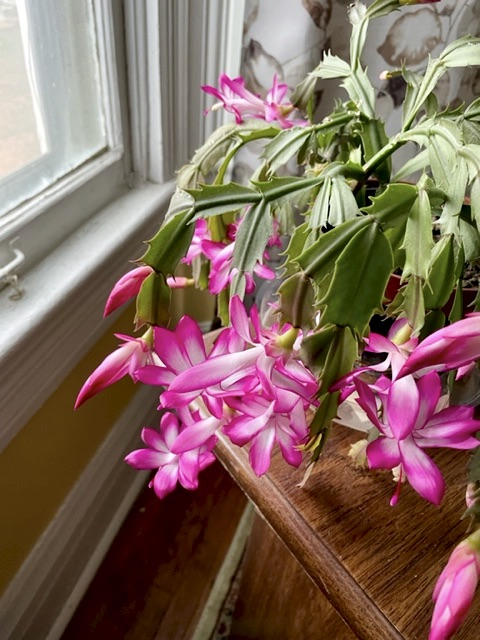
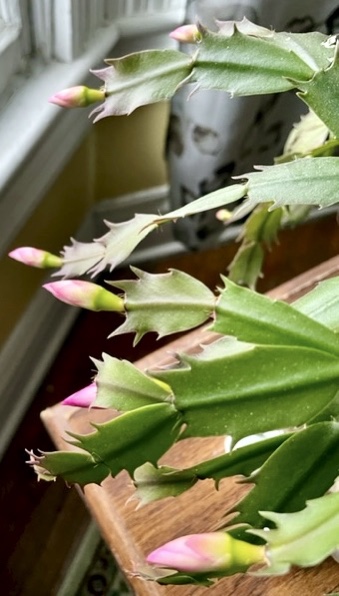
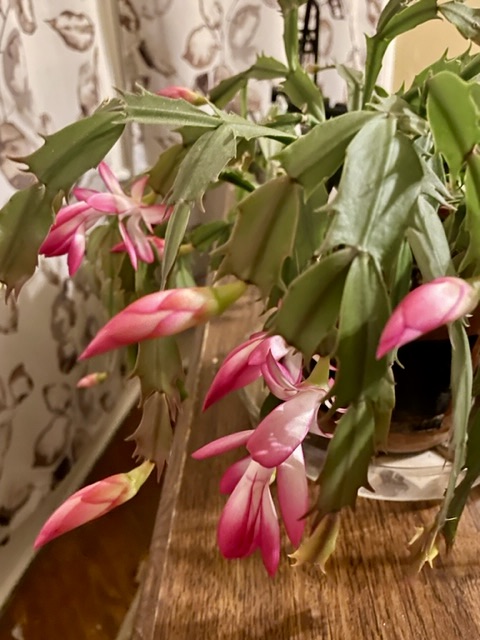
Last spring, a friend who was paring down her possessions for a cross-country move gifted me a Christmas cactus, the first one I’ve ever owned. I keep it on the corner of the desk where I do my writing. Eight days ago, I noticed the first flower buds sprouting — twenty-one of them. Maybe it’s a Thanksgiving cactus after all. I’m a little obsessed with the plant.
In fact, I wrote a poem for it. It’s still a little rough, but I’m sharing it anyway.
First Flower Buds on My Christmas Cactus
Twenty-one sudden blushing pointed buds Twenty-one pieces of evidence That I, erstwhile perpetrator Of negligent planticide, Have been successfully reformed I myself have blossomed into a being Capable of nurturing A living thing incapable Of speaking its needs As a toddler or a cat would do Twenty-one velvet spear tips of validation Twenty-one prizes to reward My diligence and faith, Twenty-one shots of dopamine to my brain Payoff for my daily ritual of care, Of arranging the curtains for optimal sun, Of speaking aloud, Good morning Christmas Cactus, a greeting unreturned Until now
Here are a couple of photos to track its progress, one taken four days after I noticed this first buds and one from this morning. The lighting was a little different.
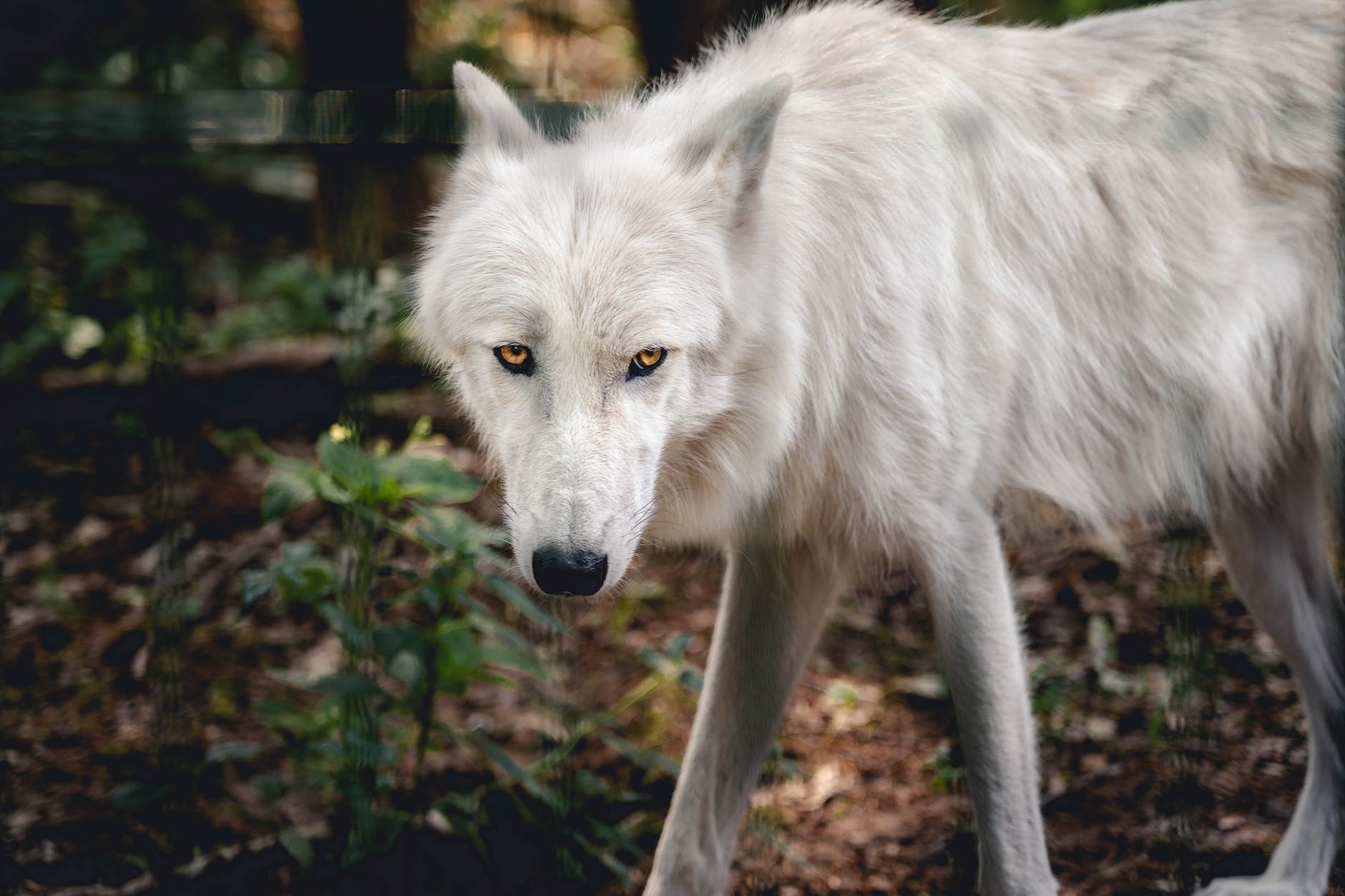
Full curious, half afraid I followed the wolf in my dream last night. Where could its journey be leading on city streets? I never knew. It picked up speed and disappeared from view. No longer did I run behind it, but pushed myself top speed in pursuit of something I can’t recall. Something urgent, a primal need. I remember dead-ends, a full moon, unexpected stairs, so steep I ascended, panting, on all fours. Pebbles embedded in my bare feet. When did I leave my shoes behind?
I wrote this poem a while back, and I wasn’t necessarily thinking of Labor Day. But this weekend seems like an appropriate time to share.
Let Us Now Celebrate
Let us now celebrate those missed In the recording of history The nameless and unremembered The one who walked in the rain To a factory job that paid for shelter From the rain for their family The one who brought joy to the immediate crowd With jokes and laughter, but did it while Shucking corn, and not near a microphone Those fallen to disease or war before They were old enough to fight The songwriter who composed melodies To sing the children to sleep The one who could have gone far in life If not for so much close at hand To get done first The washers of dishes and clothes Cleaners of floors and furniture Whose work came undone as soon as done Leaving nothing to sign a name to
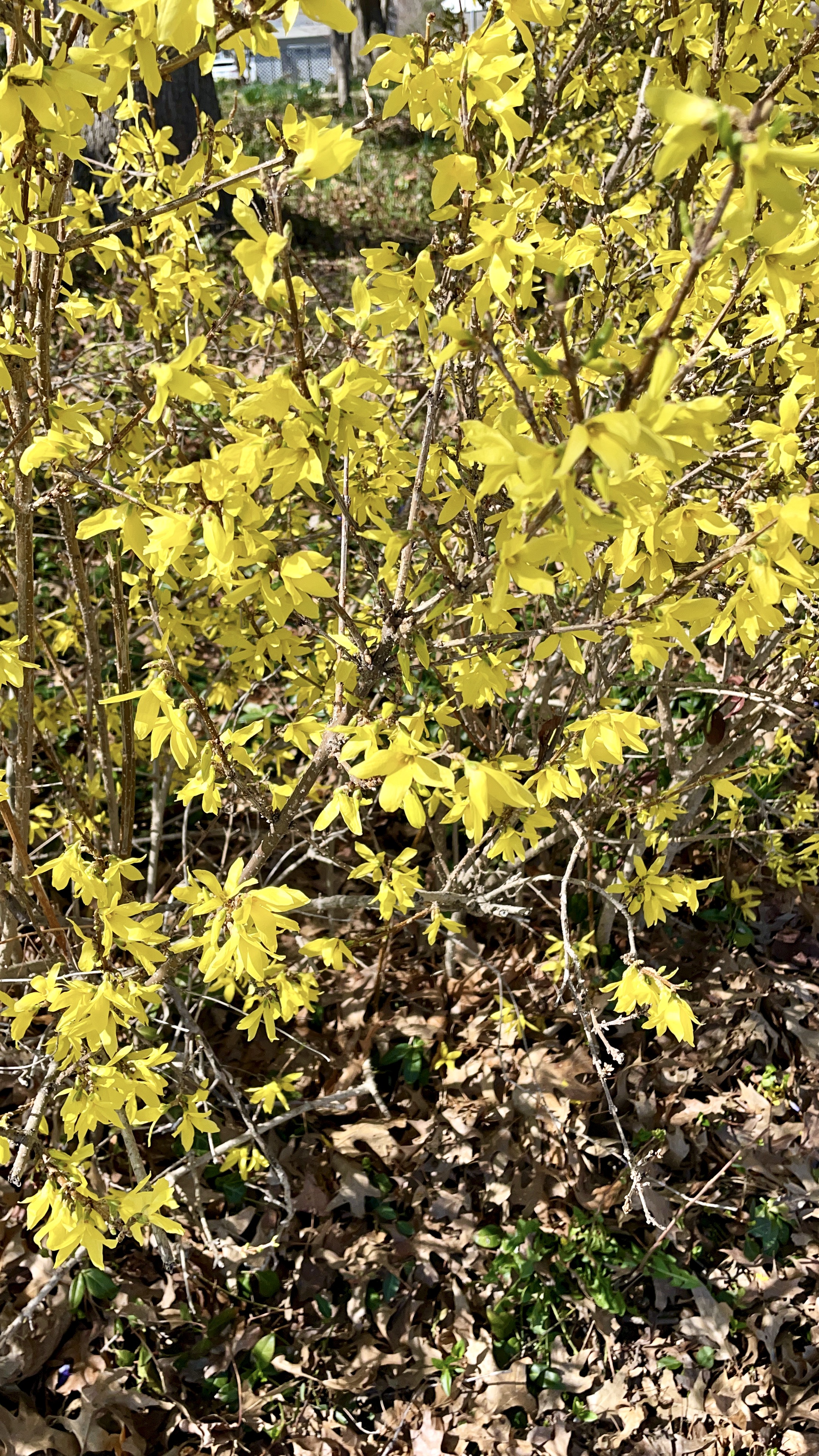
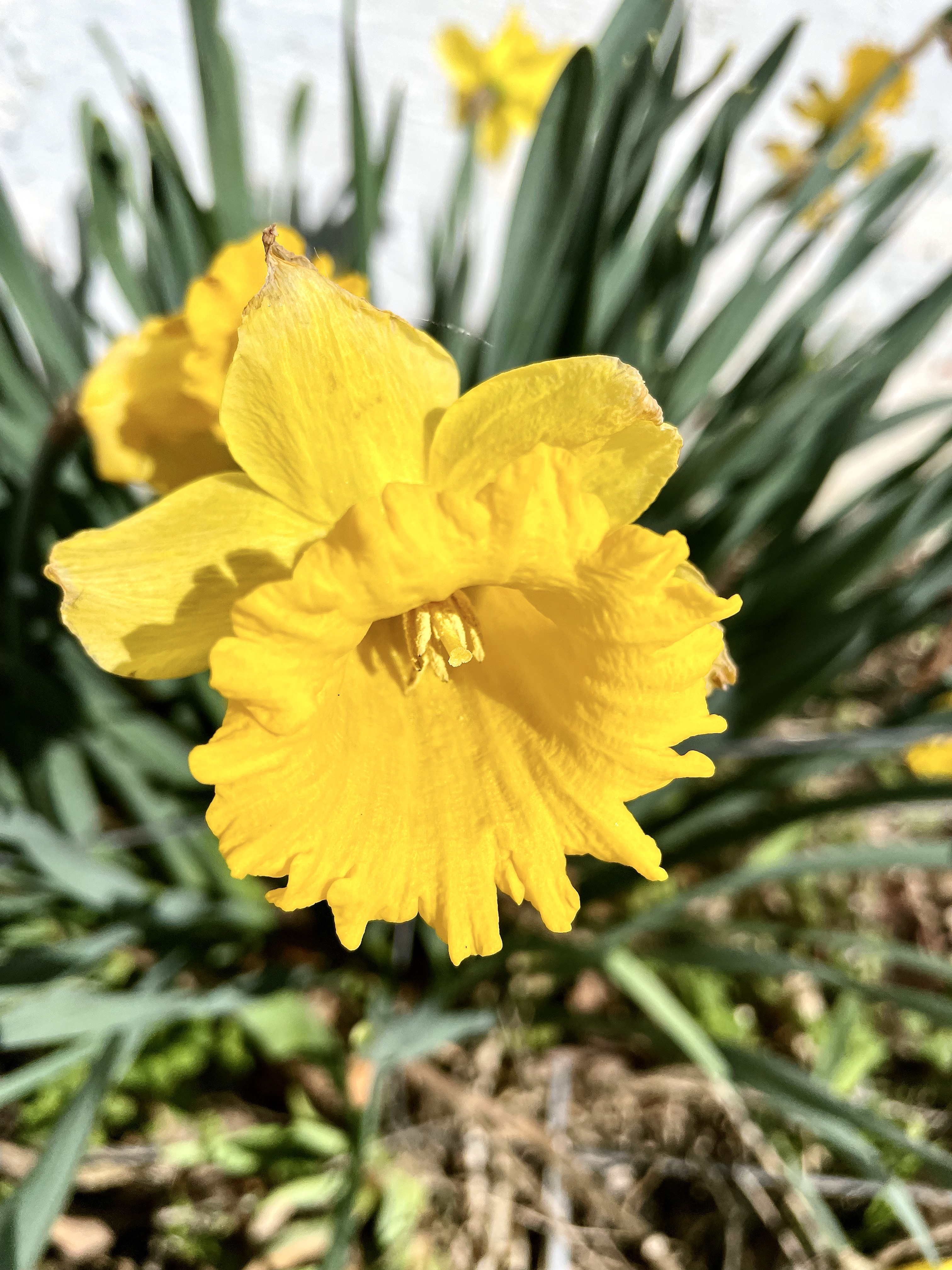
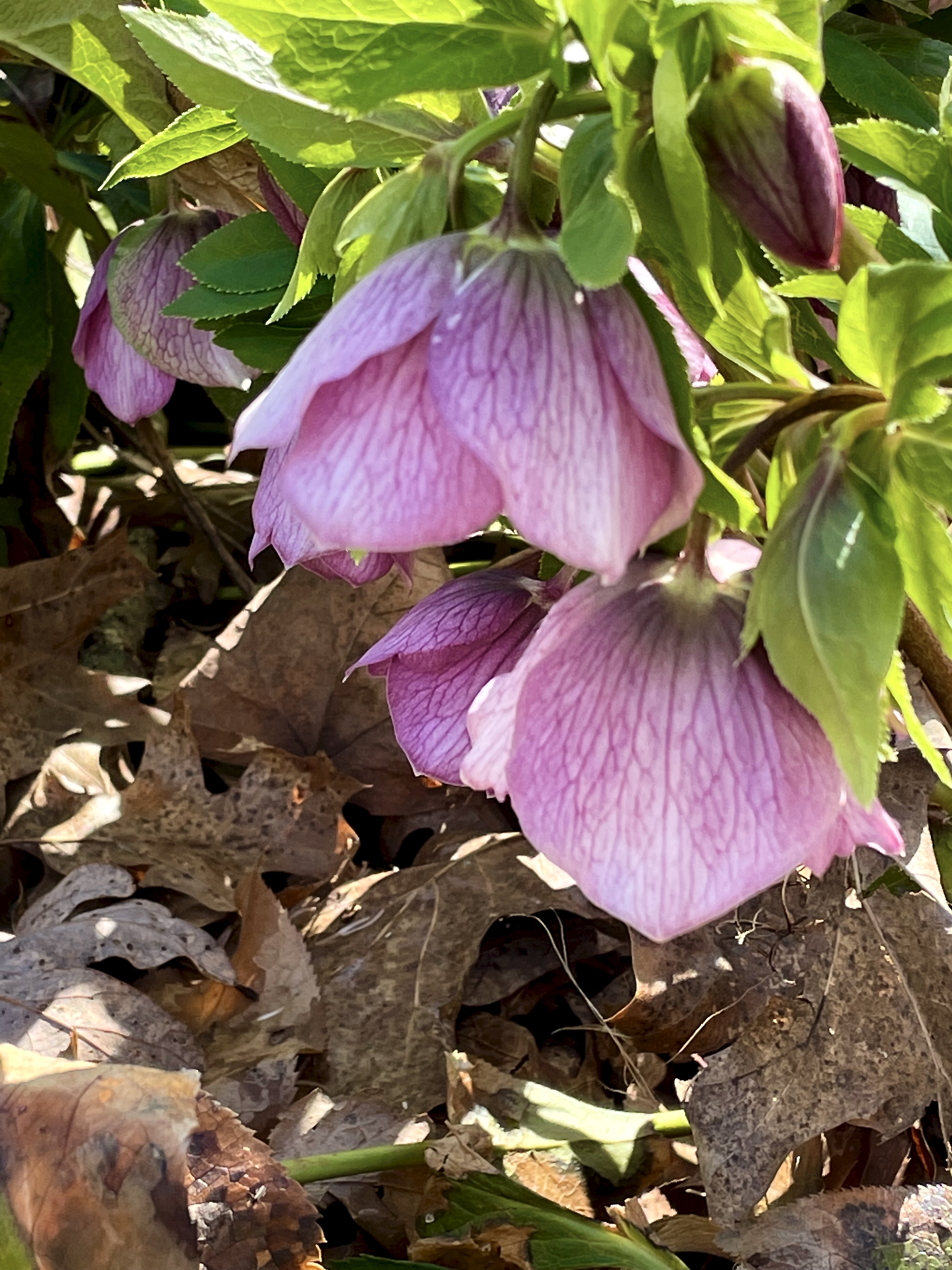
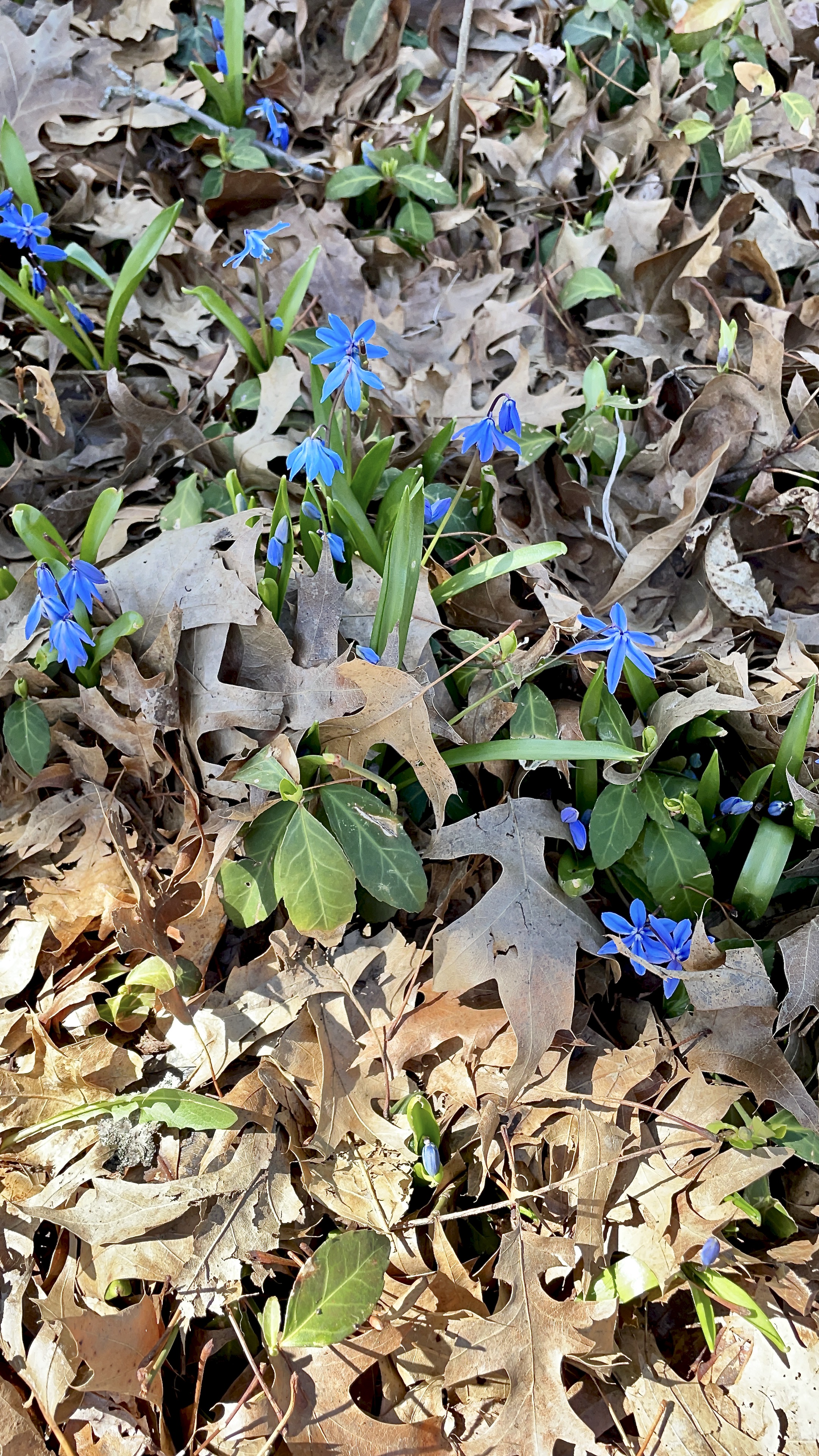
I haven’t been taking many walks due to days of cold, drizzly rain and a hurt back. All has improved now, though. The son and I went out for a two-mile stroll on this fine spring day, and I was so revivified I wrote a little poem about it.
First the photos:
Late Spring Walk

Forsythia and daffodil
Hellebores, Siberian squill,
Yellow, yellow, pink, and azure
After winter, winter, and winter
White and gray and gray
Spring returns one day
As we have faith it always will.
I first read about Juana Ines de la Cruz and her 17th century feminist poetry in Isabel Allende’s memoir, “The Soul of a Woman.” I immediately knew I needed to learn more, and the universe provided. The next day, her name came up in a textbook I was reading for an online class — just a brief mention of the fact that she amassed one of the largest personal libraries in North America while living in a convent as a nun. Obviously, I had to find out all I could.
Who was this feminist poet librarian nun? Only one of the most brilliant, accomplished women I never learned about in school. In a time when universities and learning were solely for men, she managed to outshine many renowned scholars through a lifetime of self-directed education.
Juana Ramirez de Asbaje (her birth name) was born in 1648 in the Vice Royalty of New Spain, now known as Mexico. Her mother and father were not married, and Juana was raised in the homes of her mother’s relatives. From an early age, she displayed an almost unquenchable thirst for learning and knowledge, spending hours reading the books in her grandfather’s personal library.
She began writing poetry at age eight, and had an in-depth knowledge of Greek logic and of the Latin language by her teen years, even teaching Latin to younger children. She asked her family to allow her to disguise herself as a male so she could attend university classes, but they refused. She was forced to continue as the creator of her own education.
Later, she became a lady in waiting to the wife of the Viceroy Antonio Sebastian de Toledo, marquis de Mancera. Juana’s keen mind and accomplishments were apparent to everyone, and the viceroy invited a group of noted scholars to test her knowledge. They were so impressed they granted her the equivalent of a university degree, with no need to disguise herself.
A couple of years later, she chose the one path open to her as a woman that would allow her to continue pursuing her studies. She became a nun at the Convent of St. Paula, where she also taught girls in the subjects of drama and music. There she also wrote plays and poetry, amassed her personal library, and collected musical and scientific instruments.
Many of her writings tackled the sexist double standards of society, most notably “Foolish Men,” which criticizes men for displaying the very same illogical behavior they ascribe to women. Here’s one stanza:
“Whether you’re favored or disdained, nothing can leave you satisfied. You whimper if you’re turned away, you sneer if you’ve been gratified.”
Her poem “First Dream” delves into what it means to have a life-long passion for learning and knowledge. Well, it’s a pretty long poem and that’s a simplistic summary of it. But here’s one fragment:
“In Homer’s opinion, then, the pyramids were mere material versions, outward manifestations only of inner dimensions instancing the human spirit’s attitude: for just as the ambitious fiery flame assumes pyramidal shape when mounting heavenward, so the human mind assumes this very shape in ever aspiring to the one First Cause, the center toward which the straight line tends, if not indeed the circumference containing every essence ad infinitum.”
Not everyone approved of Sor Juana’s achievements. In 1690, the bishop of Pueblo published a critique she had made of a priest’s sermon. The bishop used a false name, Sister Philothea, pretending to be a nun, and accompanied the piece with criticisms of Sor Juana, saying she should stop writing anything secular and instead concentrate on her religious studies.
In response, Sor Juana wrote and published a defense of the right of women to attain knowledge, “Reply to Sister Philothea of the Cross.” In it, she recounted the obstacles she had faced. “I went on with the studious pursuit (in which I found relaxation during all the free time remaining from my obligations) of reading and more reading, study and more study, with no other teacher than books themselves.” Later in the missive, she speaks of a period of time during which she had been forbidden to read. She said that she used that time to study the natural world instead. And this is where I find her truly inspiring. When someone put up a roadblock, she said, in effect, “Okay, I’ll make my own road.”
In 1694, her detractors within the church finally either persuaded or forced her to sell her library for alms and to give up writing. She died April 17, 1695 when a plague swept through her convent. But her influence continues to resonate generations later. I’m glad I found her.
My friend Liza posted on her Patreon page* about what Germans call “between the years,” that weird spell of time after Christmas but before the new year. Go read it. It’s entertaining and she dug up some interesting cultural information. Also, it reminded me that I wrote a poem on the very topic a couple of years back, not knowing there were entire national traditions surrounding this annual week of being at loose ends.
That Lull Before the Renaissance
That lull between Christmas and New Years Day Is when pajamas serve as uniform The chocolates are polished off The one jigsaw puzzle of the year is assembled Noble intentions gestate
We sleep in mornings Before the date arrives after which Every day We’ll stir ourselves early To accomplish worthy deeds
We watch a few movies Before the date arrives after which Every day We’ll spend free time Working out and reading classics
We make grocery lists Full of carrots and broccoli While crunching chips
We indulge and relax while we can Before next week When the work of the Renaissance begins
*Her Patreon also includes content behind a paywall that is well worth the low subscription price of pay what you can, if you’re looking for an independent author to support.
I did a thing, as part of the River Front Reading Series in Kansas City. Sorry about the glare on my glasses and the fact that I kept moving my head around trying to minimize it. But if you can overlook that and want to hear me read some poems, here’s a link to the video. I’m the first reader. I recommend sticking around for the second readers as well. I enjoyed her work a lot. Also, check out other River Front videos on YouTube.
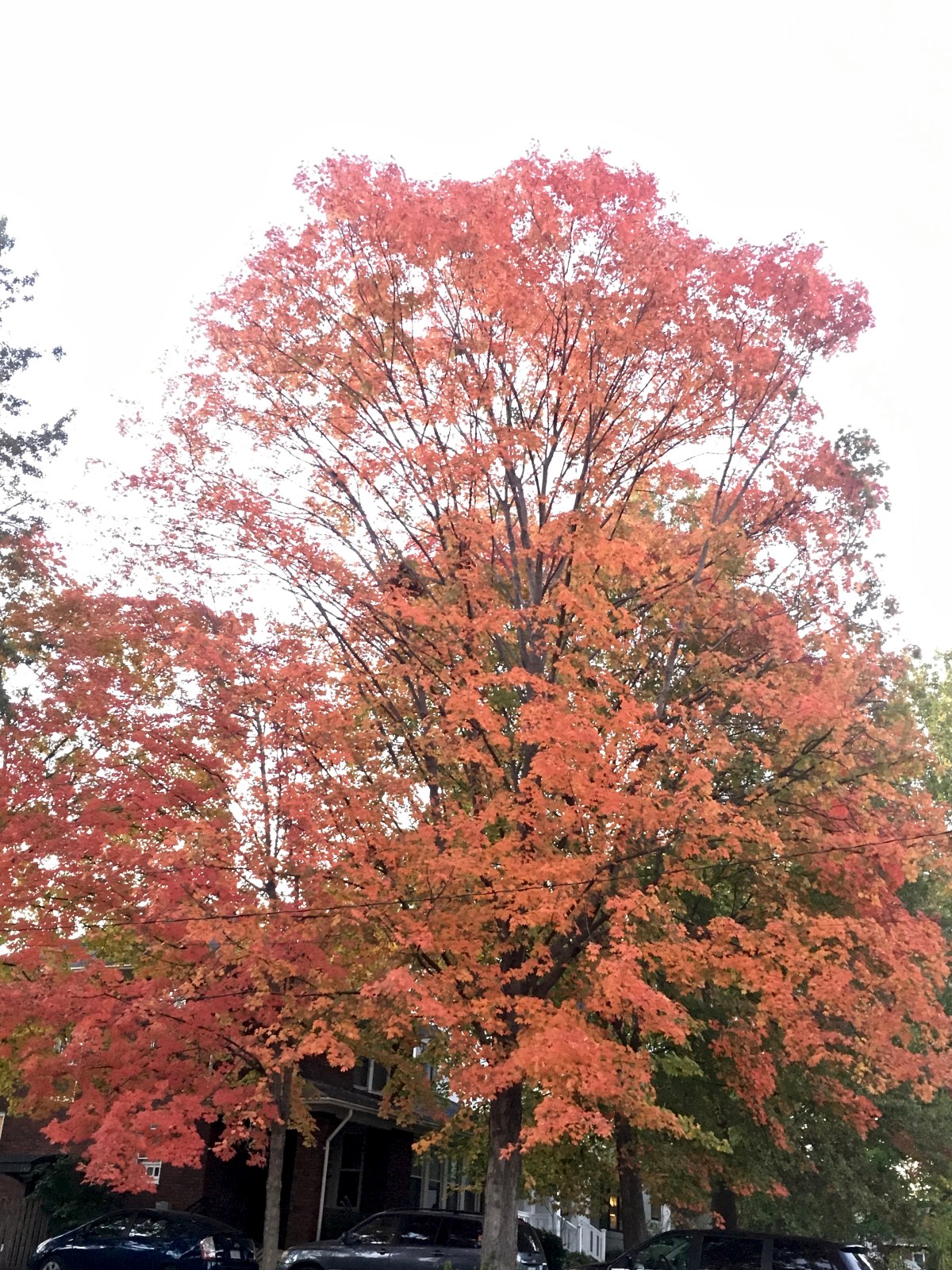
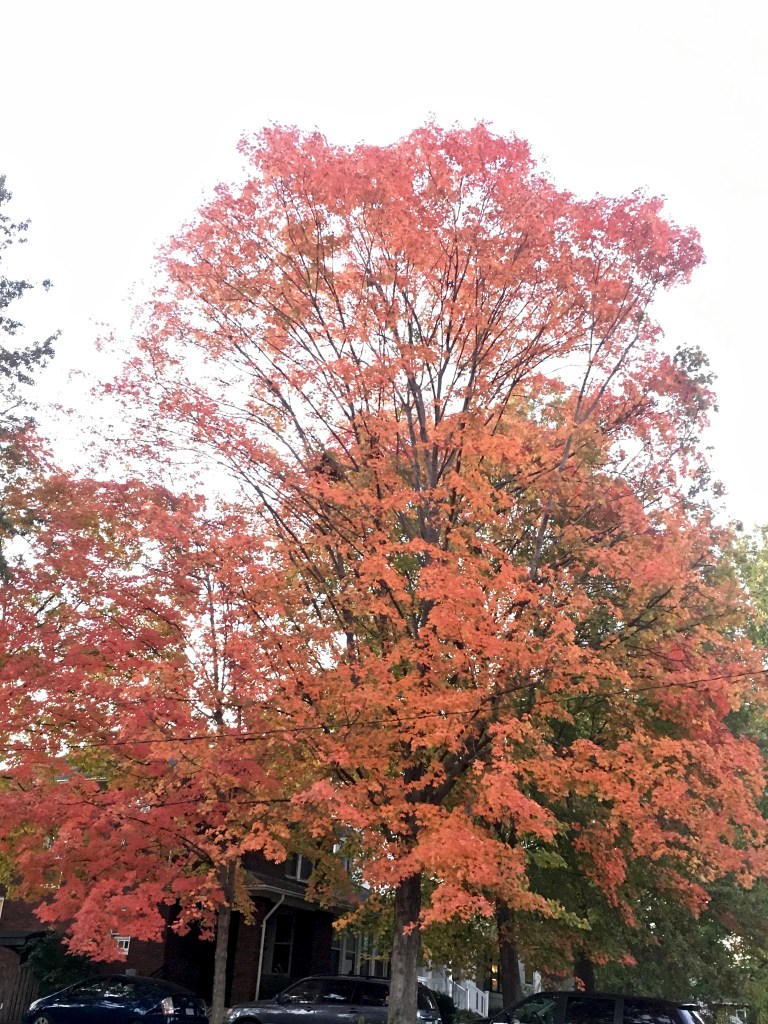
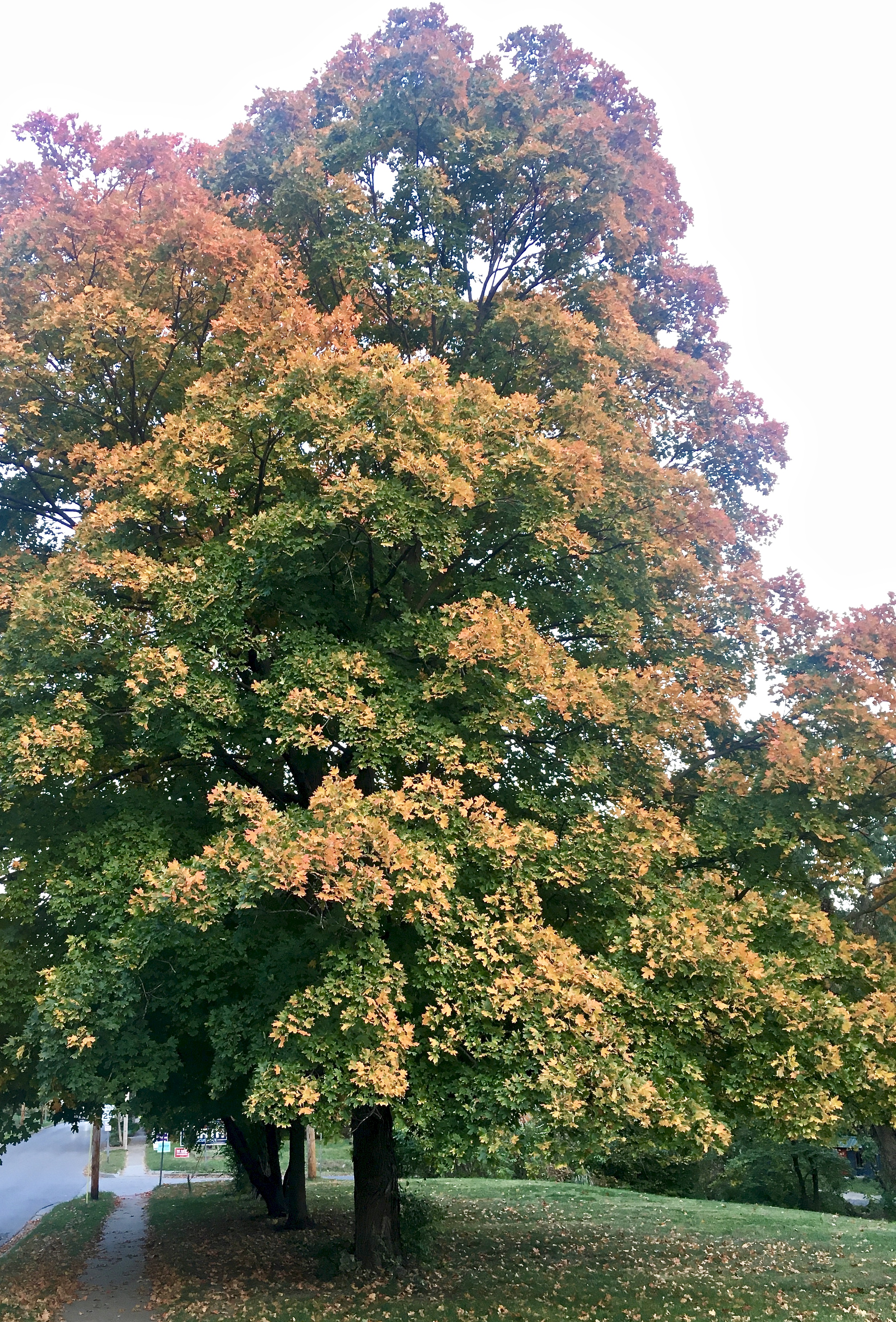
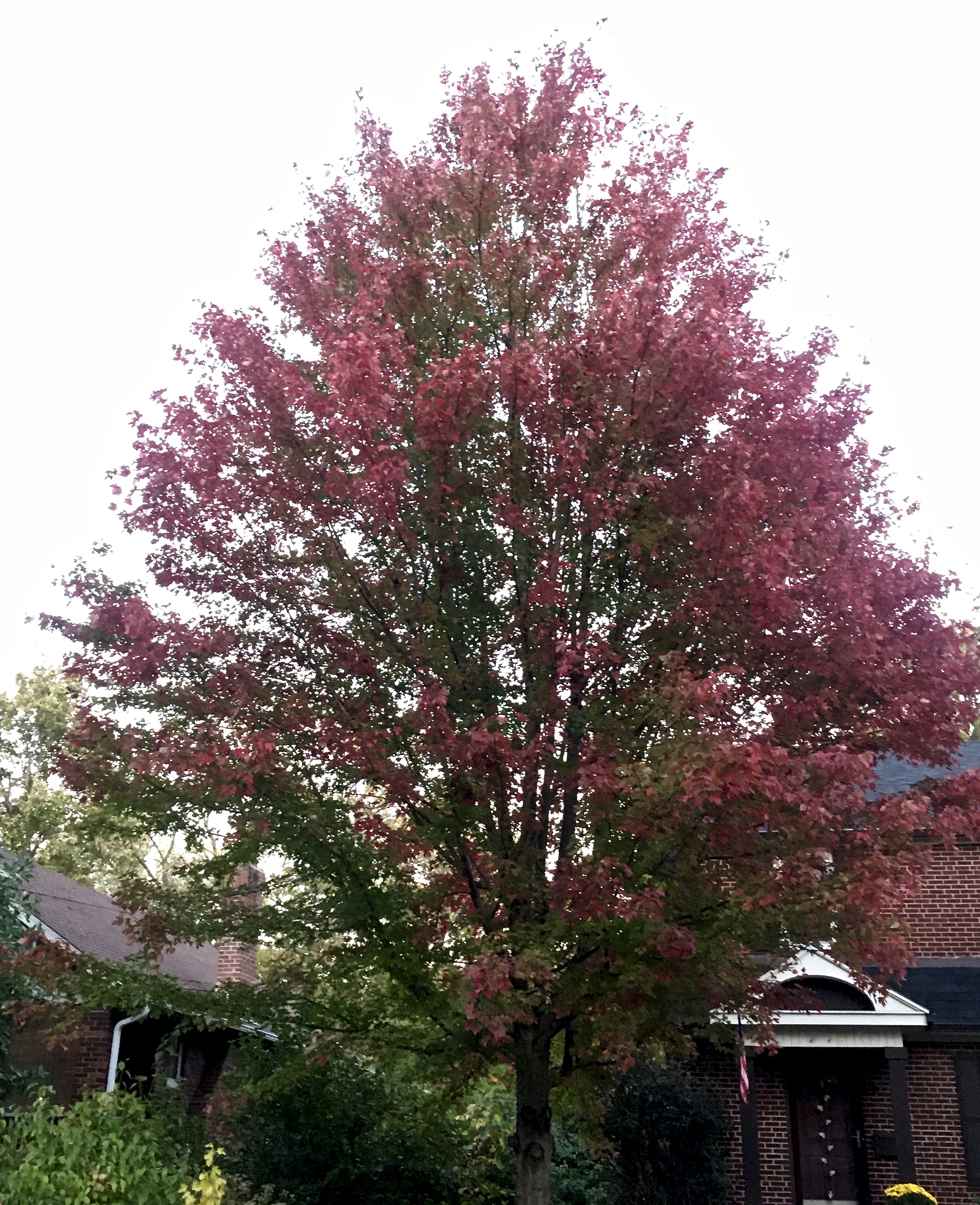
The trees I saw on yesterday’s walk inspire me to share a poem I wrote.
Tree Envy
Instead of dreary gray strands threading subtly widening paths about my head, I desire blazing red for my autumn color interspersed with patches of can’t-peel-your-eyes away yellow and clusters of an orange so perfectly sun-toasted it holds its own as an independent hue not remotely a blend of the other two. I wish for the colors to burst out all at once so that people I meet will feel their breath catch at the splendor, the glorious culmination of my maturity.
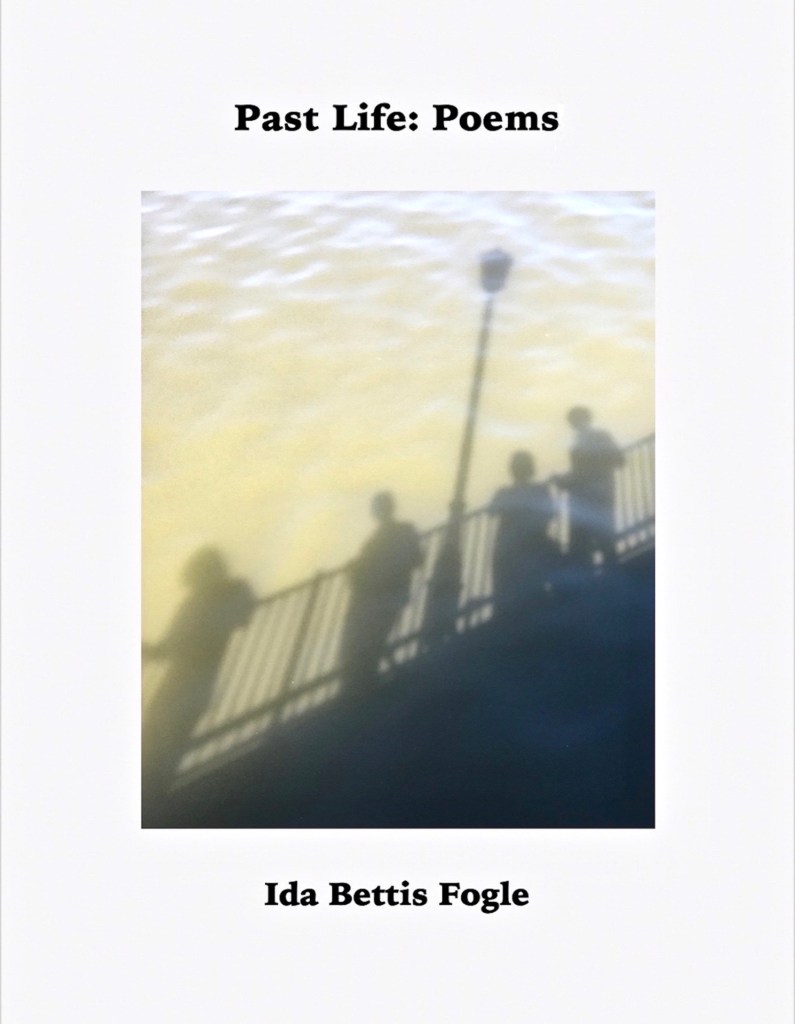
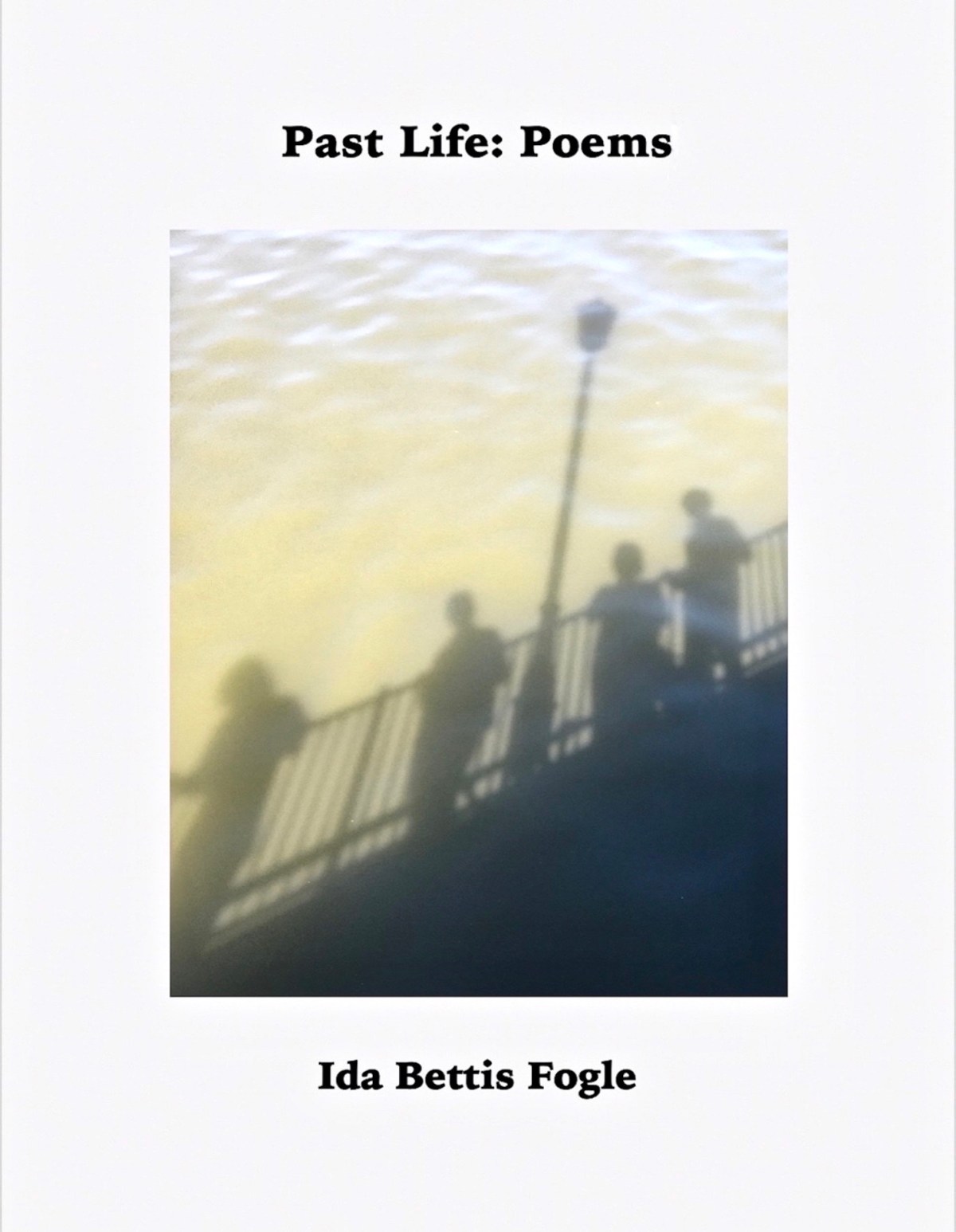
After writing poetry for decades, publishing single pieces here and there occasionally, I finally put together a collection and published it as an ebook.


 Nomadic Noesis