To Do Lists

I was sorting through some of my poems, and came across this one I wrote in 2006.

To Do Lists

To be done before vacation:
Catch up all laundry
Make sure the grass is cut
And the bills are paid
Clean out the van

Upon returning:
Write a novel
Land a book contract
Transform my chronically messy house
into an aesthetically inviting
gathering place for the group of very hip
writers of which I will be a central figure
But first:
Clean out the van
Do the laundry
Pay the bills
And mow the yard

**

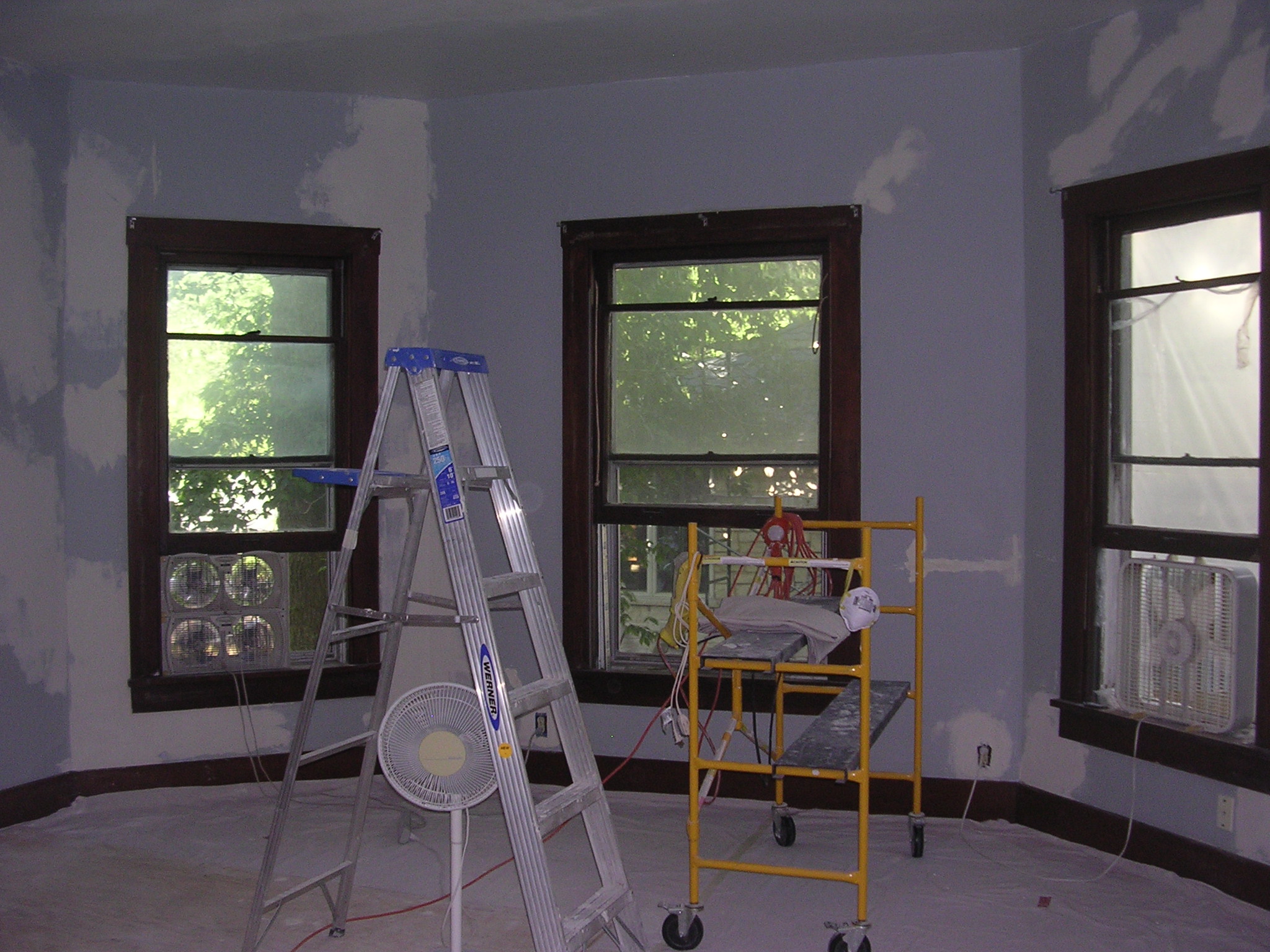
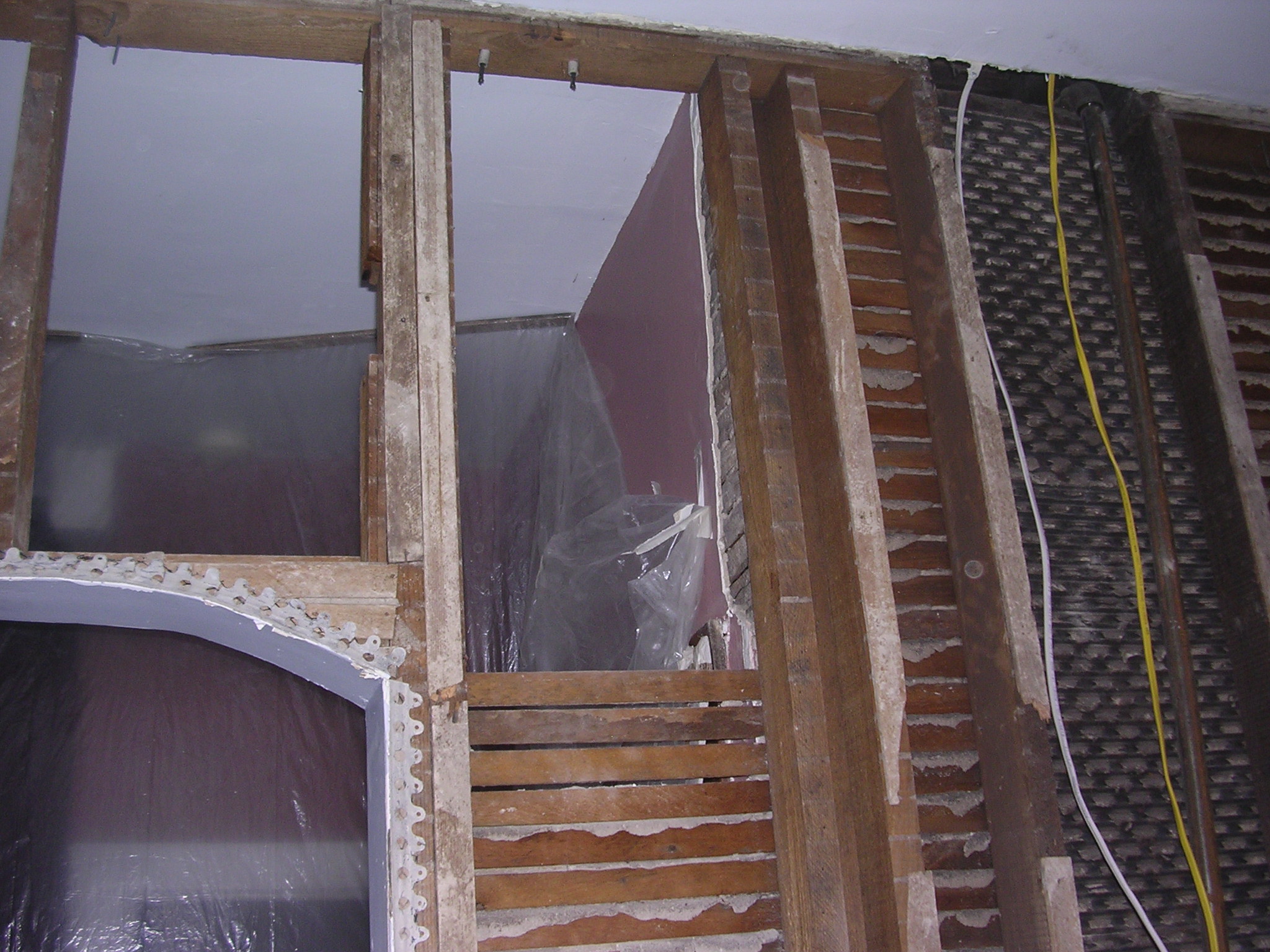
I’m still working my way through the line items. But I can check mark “write a novel.” And I’m making efforts at some of the others. Some photo evidence from the past year:


I still have a distance to go, however. One step at a time.


Rejection Letter

A friend just had her novel accepted for publication after 30 rejections. Thus, I’m inspired to try at least 31 publishers, if need be, before giving up. Two down. I feel moved to share the more recent rejection letter of the two. I don’t know why, but expect it to happen again. Maybe as an experiment in how many different ways rejection can be phrased.

So here it is, hot off the email:

Dear Author,

“My partners here at Pointless Pothole Press* have looked at your proposal for the novel _ _and we have decided not to ask to see more of the MS. There is no particular reason, and we agree that your idea is interesting. We are a small press, and we need to keep the number of MSS we look at manageable. We are currently considering a number of other proposals.Thank you for considering Pointless Pothole Press.”

Two things strike me. The first is the phrase “There is no particular reason.” Uh….whuh? The second is the way he can’t bring himself to write out the word manuscript. It reminds of me of my grandma always calling toilet paper “TP.”  Sort of like a manuscript is something necessary, but you don’t discuss it in polite company.

On to number three.

*Not the real name of the publisher.

Support Your Local Writer

I know a lot of folks who appreciate the arts and would love to show support, but who don’t have a boatload of money for extras. Some of them don’t even have a thimbleful of money for extras. For those in this situation, let me offer some tips on how you can help out writers you know and/or admire.

If you have some money to spend on books, but not much, prioritize. Choose to spend your book money only on publications by local writers, or only on publications by writers you know personally, or choose one writer you can feel really good about supporting and buy her/his books new. Fill the rest of your reading list at the public library, or buy used. I manage to budget enough money to buy about half a dozen books a year new. Most of these are written buy people I know, some of them self-published. I also buy all of the Dresden Files books by Jim Butcher. He’s localish, living in the same state, and he came to speak to my writing group once before he made it to The New York Times bestseller list. He seemed like a genuinely nice guy who wanted to help other writers. And I like the books.

If you have no book money in your budget, you can still help a writer in need by checking out her/his book from the library. The more a book is checked out, the more copies get ordered, and the more likely it is to be replaced if lost or damaged. If you can’t find the book in your library, ask about placing a request to purchase. Public libraries encourage patrons to communicate about what books they want. If the selector knows a book will be read, he/she is likely to buy it.

If the writer you want to help out is someone near and dear, and you don’t mind going above and beyond, there are even more actions you can take. Call your nearest bookstore and ask if they have the title, even if you don’t plan to purchase it. That way you’re helping raise public awareness about the existence of the book. If the bookstore employee asks whether you’d like to place a special order, you can always say “Not right now. I’ll check a couple of other places first.” If the bookstore does have the title, and you have time to kill, you can go in and browse, incidentally leaving the volume prominently displayed when you’re done skimming it.

And once you’ve done all of these things, don’t feel bad about reminding that certain special writer in your life about the purpose of the acknowledgments page. You might get in a mention in the next book.
NoQuiNaNoWriMo

That’s Not Quite National Novel Writing Month. It’s my own event. I have way too many responsibilities in November to commit to NaNoWriMo.

For NoQuiNaNoWriMo, there is no registration and no minimum word count. Only a desire to use a writers’ movement to inspire me to buckle down as much as possible. Most of my write-ins will take place in my home office, where I plan to be accompanied by a cat and a space heater. My goal is to write something every day.

If anyone else is interested in participating in NoQuiNaNoWriMo, I’d love to hear how it’s going for you.

My writing buddy

Not Your Grandfather’s Publisher’s Marketing Plan

I’m starting to think everything I’ve learned about the marketing of writing – from articles in trade magazines, presentations at conferences, and so forth – is on the verge of obsolete. The driving force, of course, is the Internet. But it has some accomplices in young writers who haven’t been indoctrinated into the old ways.

I’m acquainted with a handful of teen fanfiction writers. They all hang out together on the internet with other fanfiction writers and readers from around the world. They critique each other’s work; they encourage one another; they provide prompts and other creative nourishment. And some of them write in areas other than fanfiction. A couple of them have novels under their belts. And one young woman recently showed me the stats for one of her fanfiction stories: over 2,000 views.

When she’s ready to promote her marketable writing, her fan base is there already. I believe she could easily publish a book herself, send out a general announcement, and move 1,000 copies with little effort.

While middle-aged writers are still paying hundreds of dollars to attend conferences in order to meet the editors and agents who will give them the inside scoop on getting their work out. I have received my clue, and I’m willing to share. The inside scoop no longer belongs exclusively to the editors and agents. Writers who have grown up with the Internet are creating a new world of publishing, with its own rules. Good for them.

Is it a Scandinavian Thing?

I finally read The Girl With the Dragon Tattoo by Stieg Larsson. So, I’m a little late to the party. I liked the book; I plan to read the next two. I don’t feel compelled to write any kind of review. Considering the book’s lingering status as an international bestseller, I think it’s been reviewed plenty.

I did come away from the reading with a nagging question. Is it a Scandinavian thing or just a Larsson thing? I’m talking about the author’s need to inform us readers of the exact square footage of every room and building mentioned in the story, along with the engineering specs of every computer used by any character. I know specific is supposed to be better than general when it comes to writing. “Humvee” is better than “really big vehicle.”  “PowerBook” is better than “laptop”. It allows the reader to visualize the scene better. But do we need to know the date of manufacture, size of the screen, hard drive capacity, processing speed, and whether the keyboard is backlit?

I find this more amusing than annoying. My computer jock spouse (he of German ancestry) would likely consider the paragraphs describing the computers as the most important information in the story. But I can’t help wondering if this is a literary tic – all writers have them – or a cultural thing. I haven’t read much Scandinavian fiction, so I can’t compare. Maybe it’s time to broaden my horizons and perhaps find the answer to my question.

Writing Poetry

I’ve always liked poetry. For years, I’ve made a habit of reading at least one poem every day. I do skip a day now and then, but not often.

My writing has focused more on poetry than prose, as well, until about two years ago. Over the past couple of years I’ve been focused on a novel and have been struck with many ideas for short stories, and the poetry has fallen off quite a bit.

But, with the novel more or less finished, I took the arrival of April – National Poetry Month – to get back myself back into the poetic mode. I’ve been writing a poem every day. It’s been good for me. I get a lot out writing in general, but I’m rediscovering the value of writing poetry specifically.

~Edith Södergran said “I don’t create poetry, I create myself, for me my poems are a way to me. ”  For me, this rings true. Even when I compose a bad poem, I often develop new insights in the process. For instance, this month I’ve realized one reason why I still pray sometimes, even though I’m agnostic; it helps me focus on what’s important to me. I guess I could say the same for poetry. I came to this new knowledge of myself because I started writing a poem about prayer.

Writing a poem, too, makes me really look at, listen to, and experience the world in a conscious way. For me, then, poetry is a path of mindfulness, and a way to keep myself connected to the universe.

I’m glad I made the decision to reconnect with my poetic muse. It’s an enriching relationship.

Finish Line Crossed

Last night, I finished the rewrite of my first novel. So, I have actually completed a finished novel, not merely a draft of one. I know editors will probably disagree, but I’ll put off thinking about that for now.

I worked on it for so long, finishing it feels a little like finishing high school. The end was always in some vague far-off future. Now it’s here. I feel I should get a diploma to frame.

Add novelist to my biography. Yay me!