
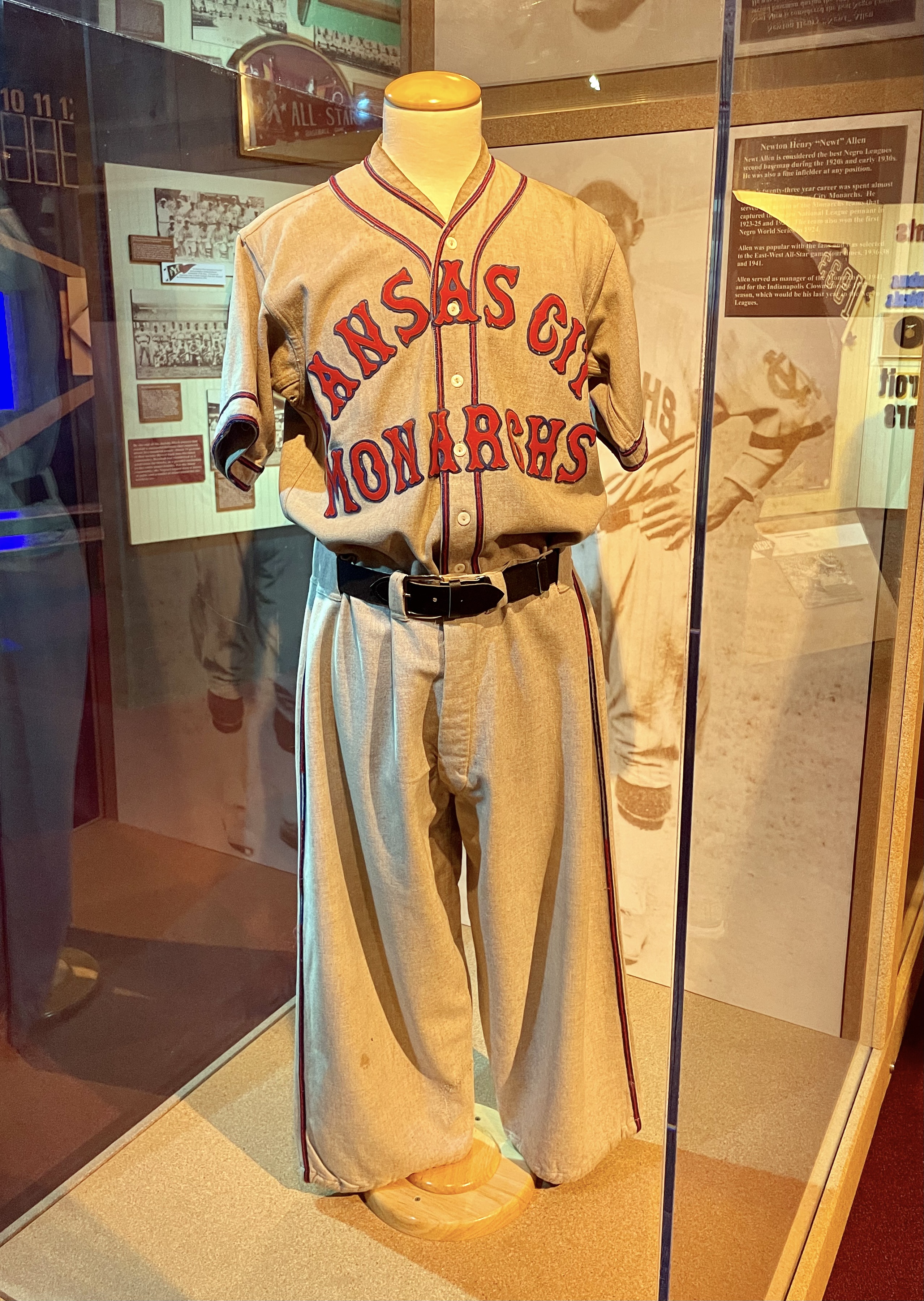
Friday, I fulfilled a bucket list item when my husband and I visited the Negro Leagues Baseball Museum in Kansas City. As anyone who knows about baseball and American history is aware, the major leagues were segregated until Jackie Robinson started at first base for the Brooklyn Dodgers in 1947. Visiting this museum, we learned a lot about how Black players persevered anyway, improving our society along the way.
The website explains: The Negro Leagues Baseball Museum is the world’s only museum dedicated to preserving and celebrating the rich history of African-American baseball and its impact on the social advancement of America. The privately funded, 501 c3, not-for-profit organization was established in 1990 and is in the heart of Kansas City, Missouri’s Historic 18th & Vine Jazz District. The NLBM operates two blocks from the Paseo YMCA where Andrew “Rube” Foster established the Negro National League in 1920.
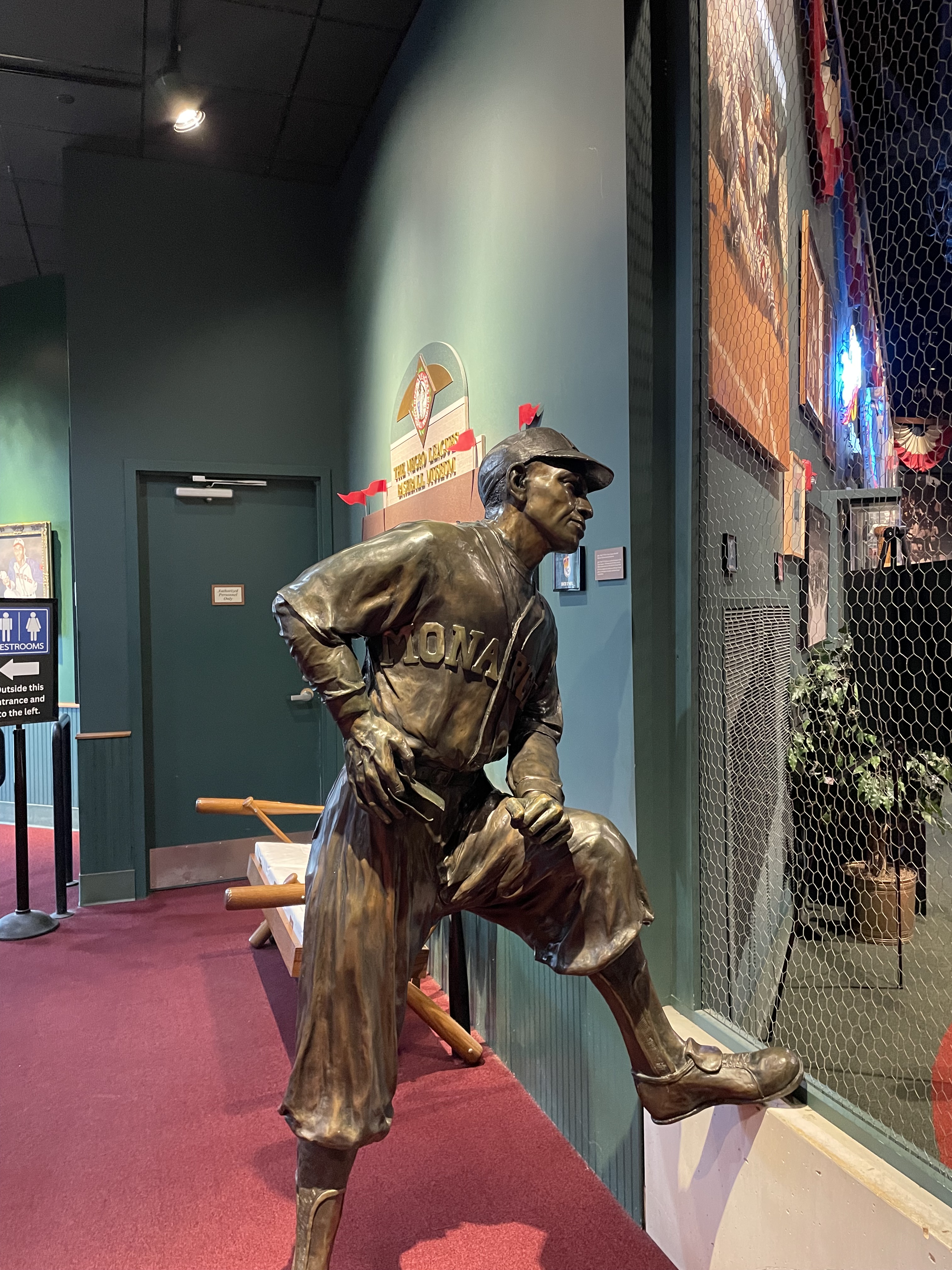
Some of the greatest athletes the game has ever seen are featured–Satchel Paige, Josh Gibson, Jackie Robinson, and more. We encountered Buck O’Neil almost right away, scouting a game:
A short film condensed the history of MLB segregation and integration, including the shameful treatment of Black players who originally joined some of the very first teams, before they were officially banned. One influential player in particular is now known not for his skill or achievements, but just for entrenching racism in the sport. I am deliberately not giving him fame among my handful of readers. But imagine — the players he kept out went on to shine and give us so much. While his legacy is for all the bad he accomplished.
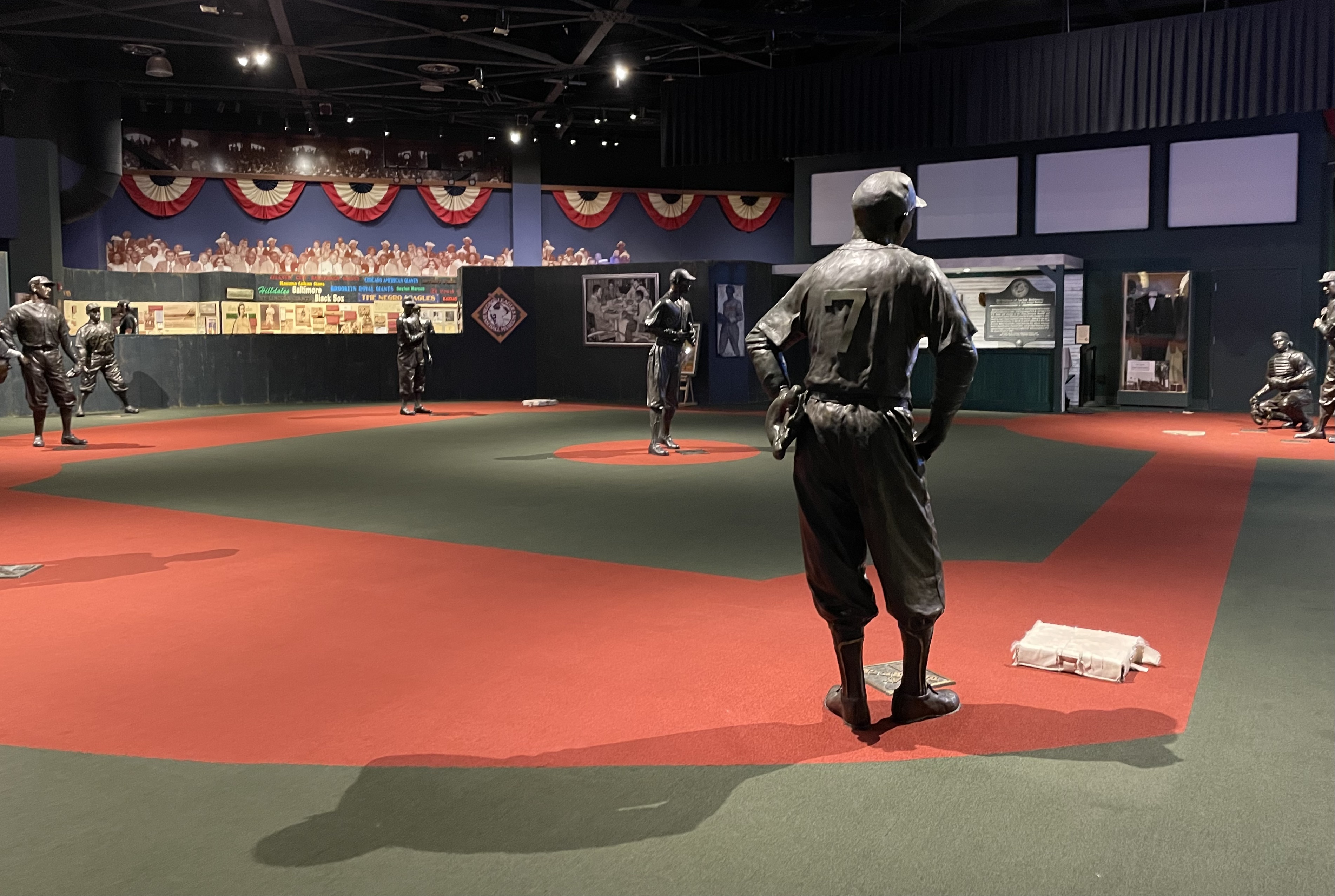
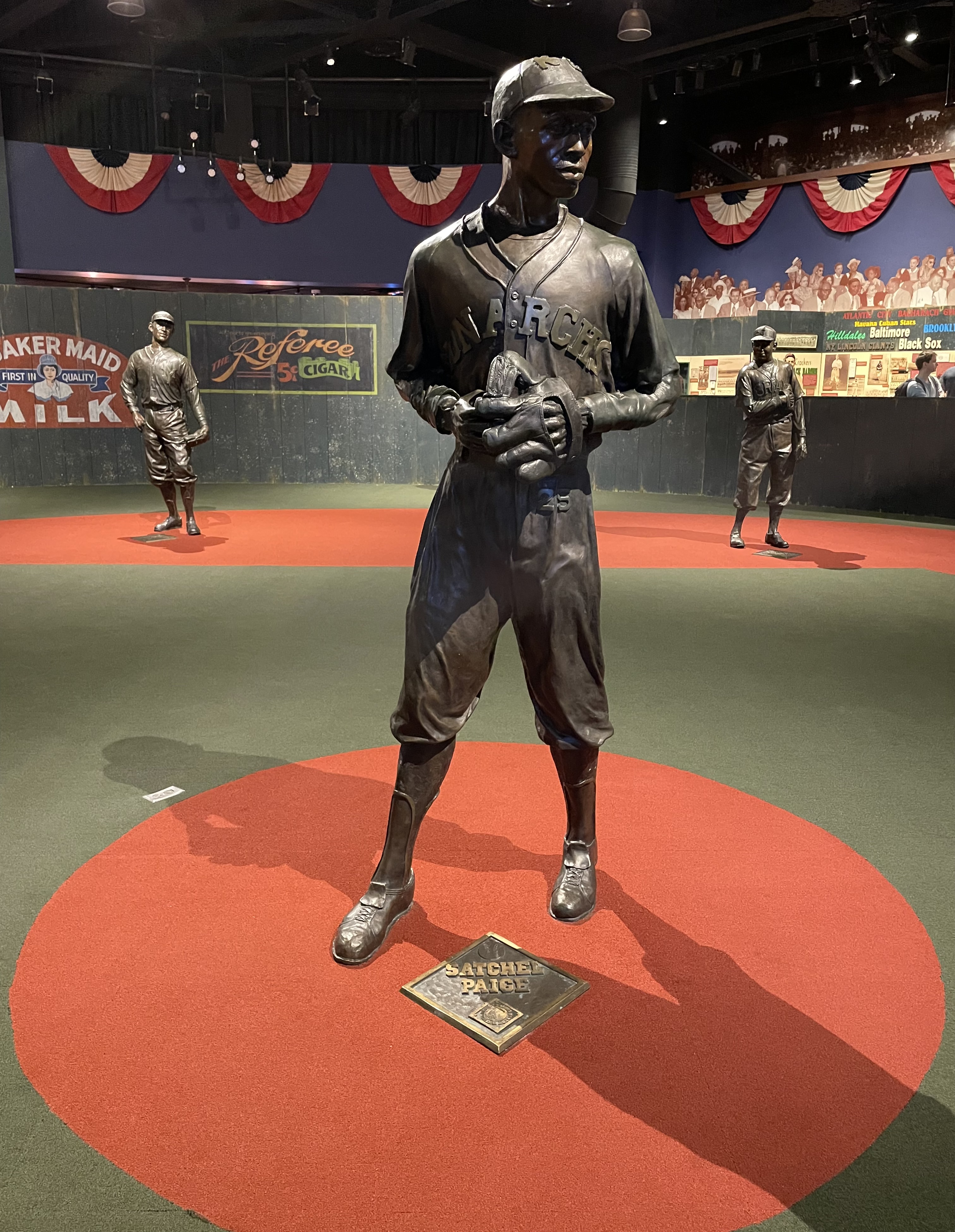
Standing among the greats
A couple of interesting tidbits I learned:
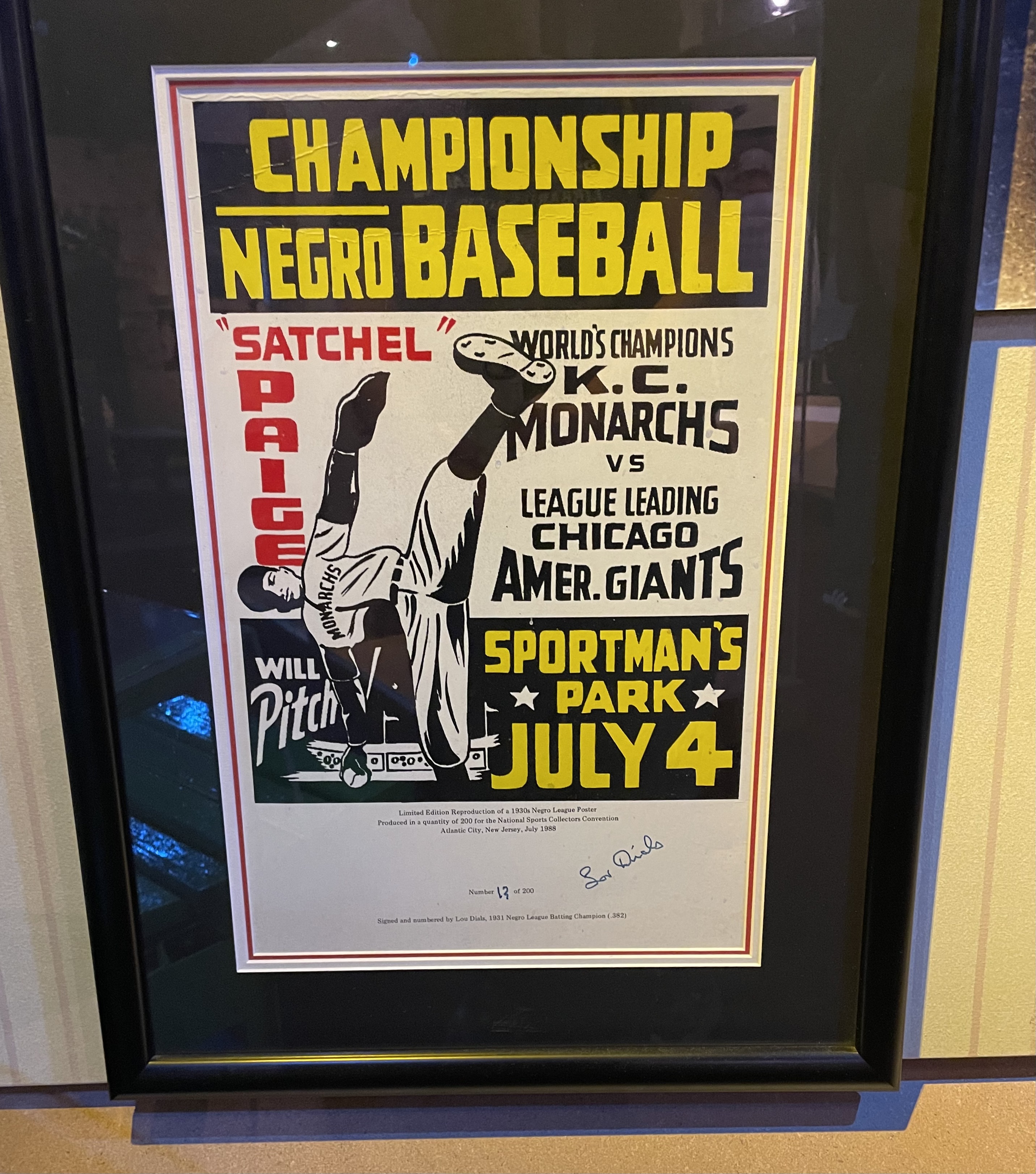
*The KC Monarchs were the first team to install lights and play games at night.
*Several of the teams traveled and played ball in Japan in the 1920s and 30s.
*And of particular interest for Women’s History Month, there were some women who played professionally.
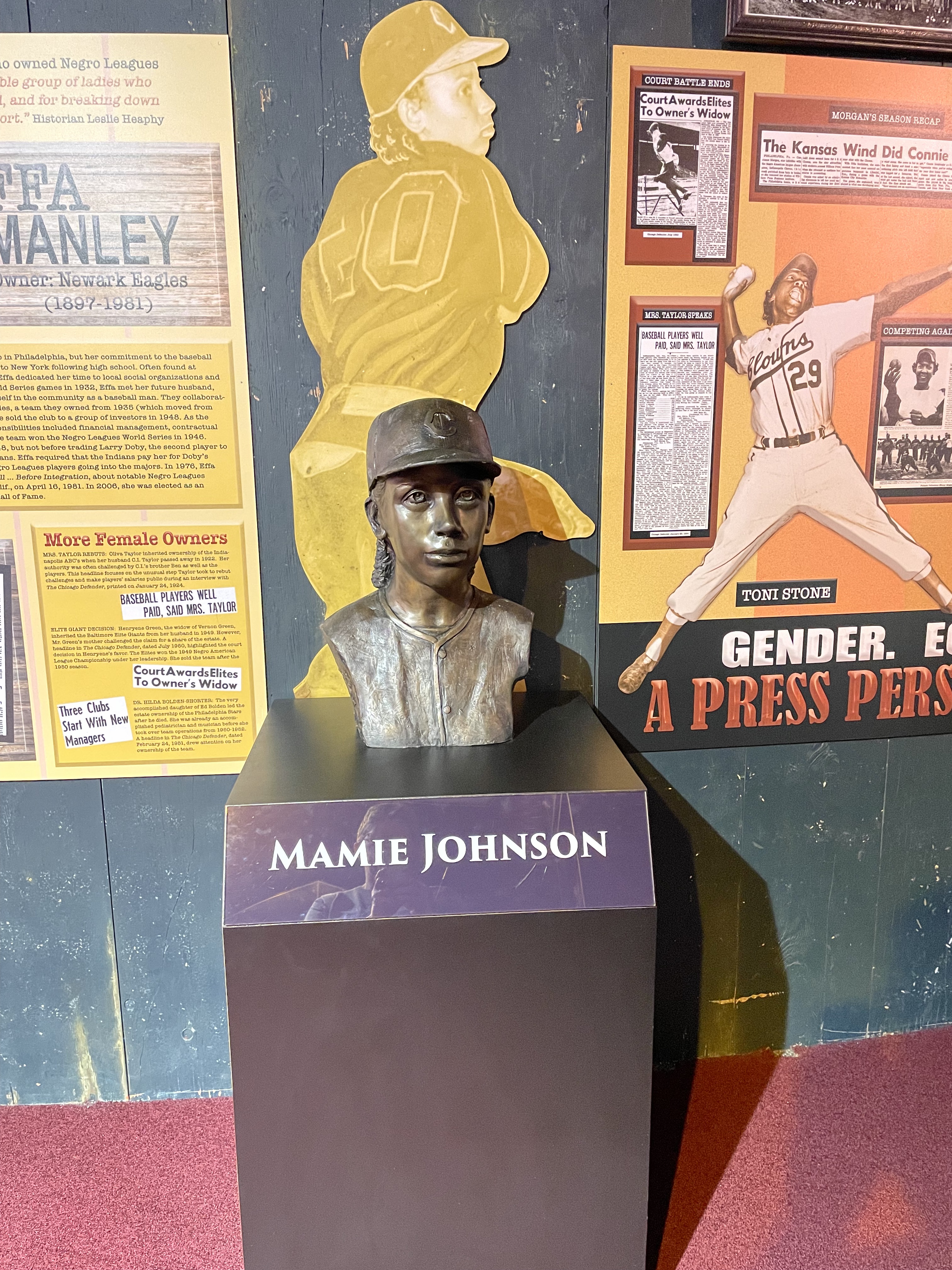
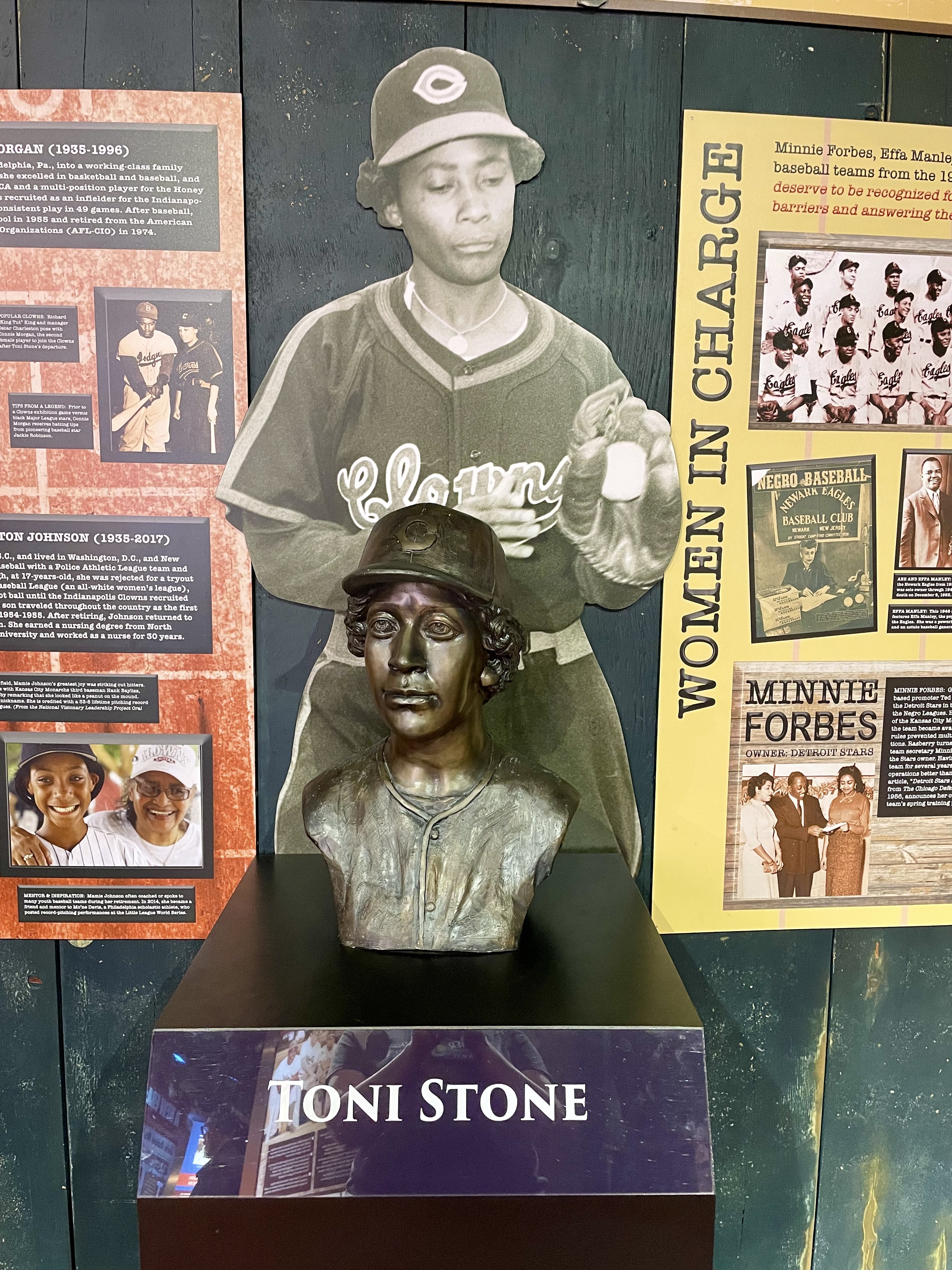
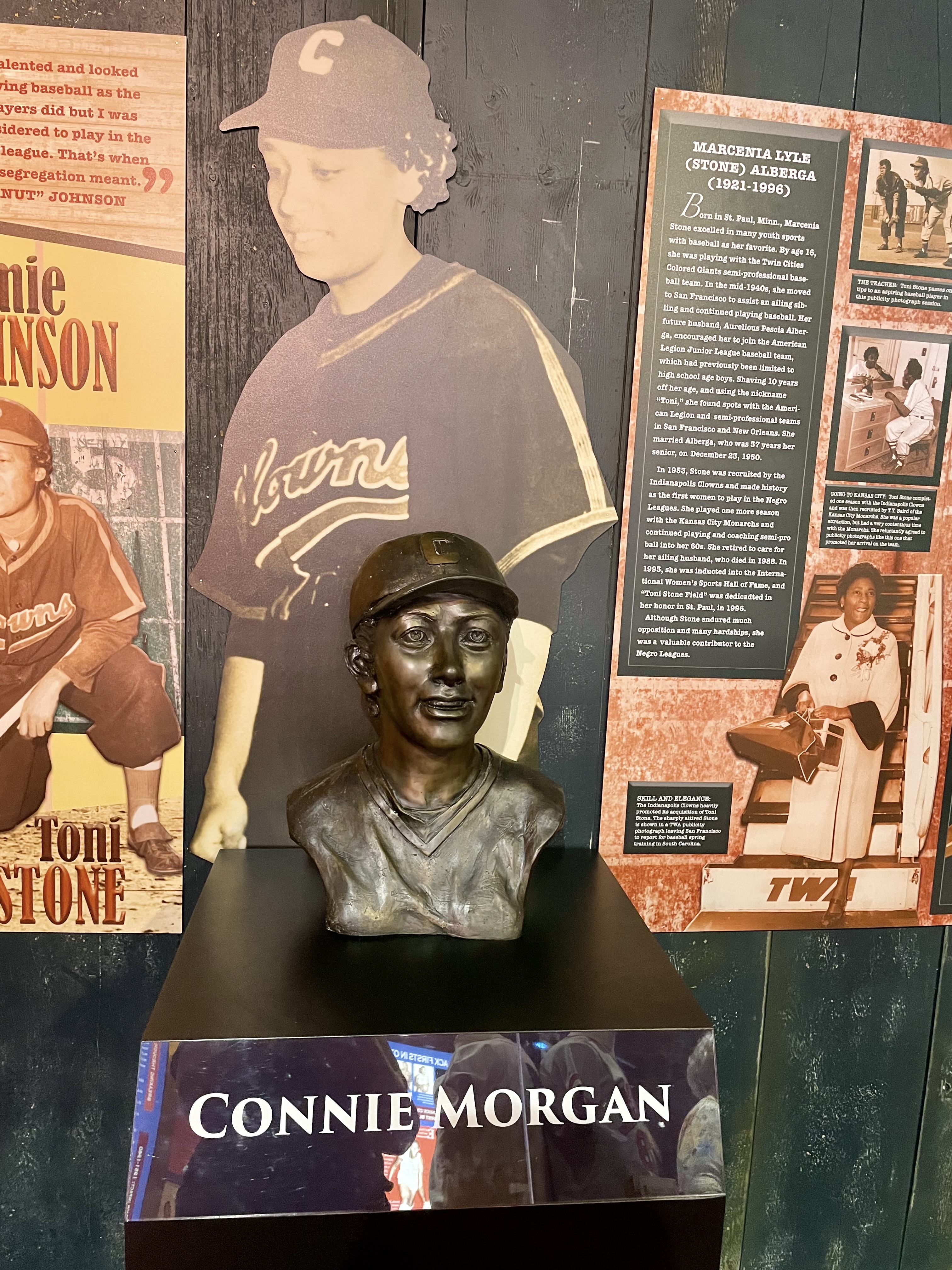
I found a couple of their autographs among the vast collection of signed baseballs.
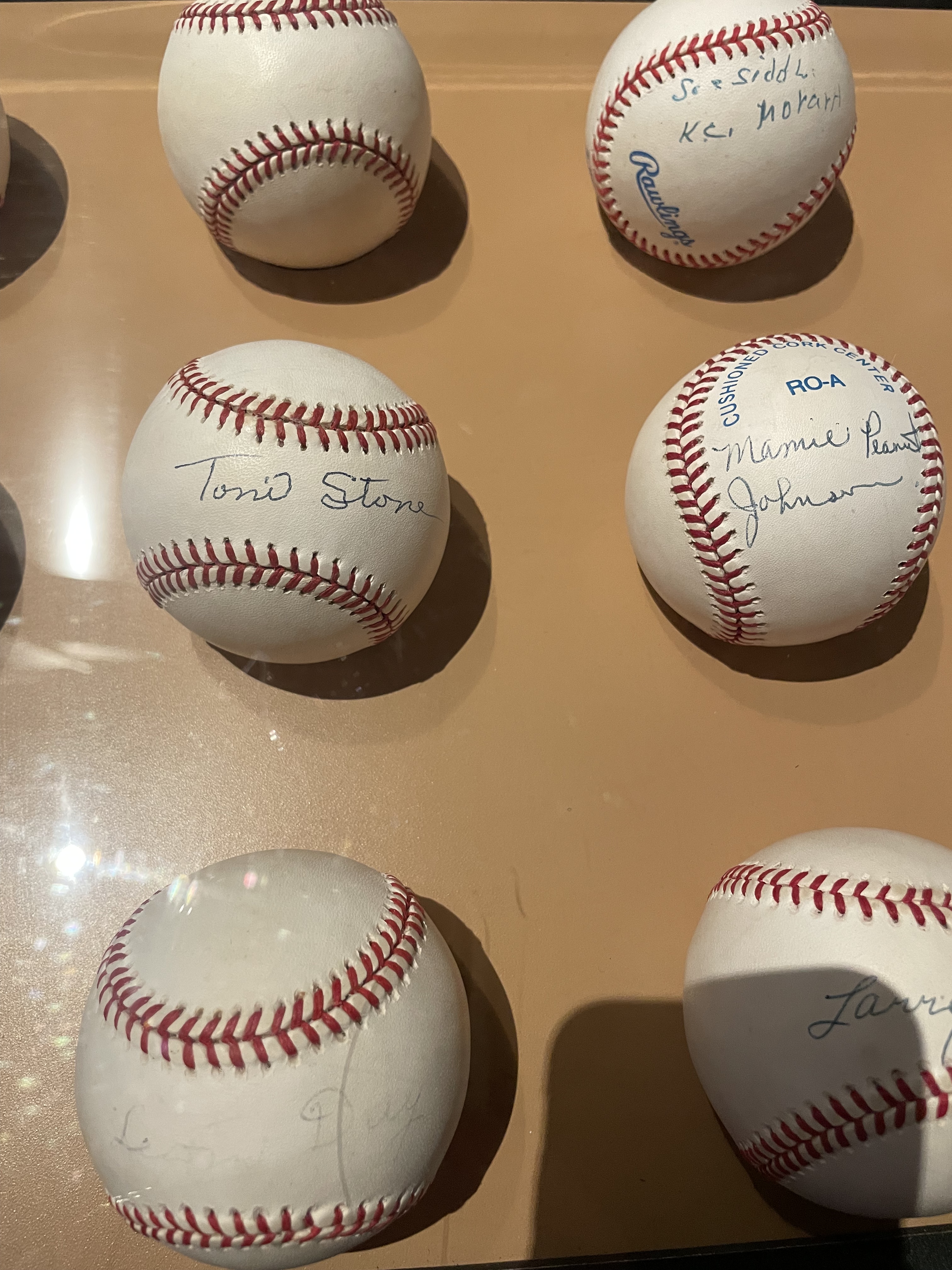
I can’t help thinking how discrimination and segregation harm everyone on every side. When we exclude others for no good reason, we are not only hurting them, we’re depriving ourselves of their talents and contributions. It makes no sense, yet it’s done too often.
I highly recommend experiencing this bit of baseball history if you get the chance. The woman who sold us our tickets said the museum will be expanding and moving into a new building soon, so that’s me planning to return in the future.
~~

 Nomadic Noesis
My dad would have loved that. He always regretted not being able to play with their talented athletes.
LikeLike
I would love more context about this comment if you’d like to share. Was your dad a baseball player?
LikeLiked by 1 person
Yes. In the Deep South. He played in the Air Force to entertain troops. He was so athletic. Later he played on fast pitch softball teams. There were separate leagues. He watched many Negro League games and used to say how good they were.
LikeLiked by 1 person
That’s amazing. Thanks for sharing.
LikeLiked by 1 person