I attended a conference this week where the organizers arranged a screening of the newly released documentary The Librarians. In a room of ~400 people, at least 200 of us shed tears during the viewing.
Working in the profession in one of those states, I have been well aware of the growing attacks on books, libraries and librarians. But it was an extra level of intense seeing actual interviews and footage of people who have served their communities, for decades in some cases, slandered and under attack for working to preserve access to literature, for dedicating their lives to igniting a love of reading, for insisting on inclusion for every person who comes through the door.
Some have lost their jobs. Some have fled the homes they loved to start over in a new place. Some have had to hire security (on librarian wages!) One was pictured driving through her hometown saying something like, “I have made sure everyone here knows I do own a gun.” This in response to death threats she has received. All because they want kids and adults to have access to books that combat racism or affirm the dignity of LGBTQ individuals.
I very nearly ugly cried (mild spoiler alert) when the filmmakers interviewed the gay son of a woman who has crusaded in the most vile way against school librarians for having books with diverse characters and messages of acceptance. He ultimately decided to go speak against his mother’s message at the same school board where she had been showing up and making a spectacle.
Mixed in with the tears in the room were cheers for these folks who have been thrust into the role of intellectual freedom warriors, a battle they didn’t anticipate. Importantly. the documentary pulls back the curtain on some of the behind-the-scenes funding and organization behind the pro-censorship groups.
If you get a chance, I highly recommend a viewing of this movie. But have your hanky ready.
For decades, I’ve made it a point to read authors from a variety of backgrounds. As satisfying as it is to come upon a piece of writing that reflects my lived reality, my life is richer for also reading works by writers who have had different experiences. It helps me think more deeply, builds my capacity for empathy and gives me a more well-rounded worldview.
For Black History Month, I’m sharing a handful of memorable books I’ve read by Black authors.
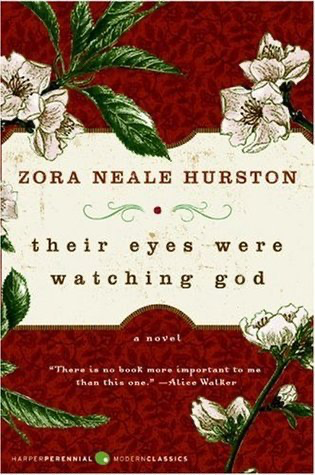
Published in 1937, this book by one of the prominent figures of the Harlem Renaissance is considered a classic for good reasons. Hurston’s Janie is one of the most fully realized characters I’ve seen in a book this length. Through her upbringing with her grandmother and multiple marriages, we see Janie struggling to free her real self from the confines of those who define the parameters of her life.
Hurston evokes so much through simple, every day scenes – a game of checkers, the buying of groceries. All of her characters are real and complex. No stock cut-outs here.
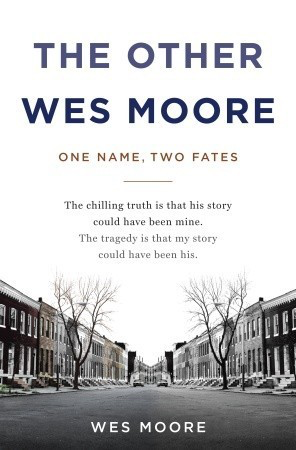
Nonfiction, first published in 2010. The author Wes Moore – Rhodes Scholar, decorated veteran, TV host, eventual governor of Maryland, all-around accomplished guy. The other Wes Moore – serving a life sentence for the killing of a security guard during a jewelry store robbery.
Both are near the same age, and they lived within blocks of each other as children in Baltimore. Both grew up without fathers (the author’s father died from an illness at a young age, while the other’s father was simply absent). Both African American. Both had brushes with the law as kids.
But at some point, their paths diverged, and the author explores what factors might have made a difference. I appreciate his humility, as he expresses that their roles could easily have been reversed.
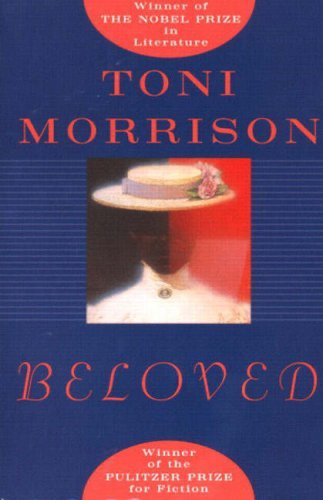
Published in 1987. Winner of the Pulitzer Prize for Fiction.
The horrors of slavery are examined through the experiences of a Black mother in post-Civil War America. The baby girl who died many years before, buried in a grave marked with a stone bearing only the word “beloved” returns as a young adult ghost (or something) to Sethe’s life.
The opening lines let you know right off that this isn’t going to be a gentle book, but a powerful one: “124 WAS SPITEFUL. Full of a baby’s venom. The women in the house knew it and so did the children.”
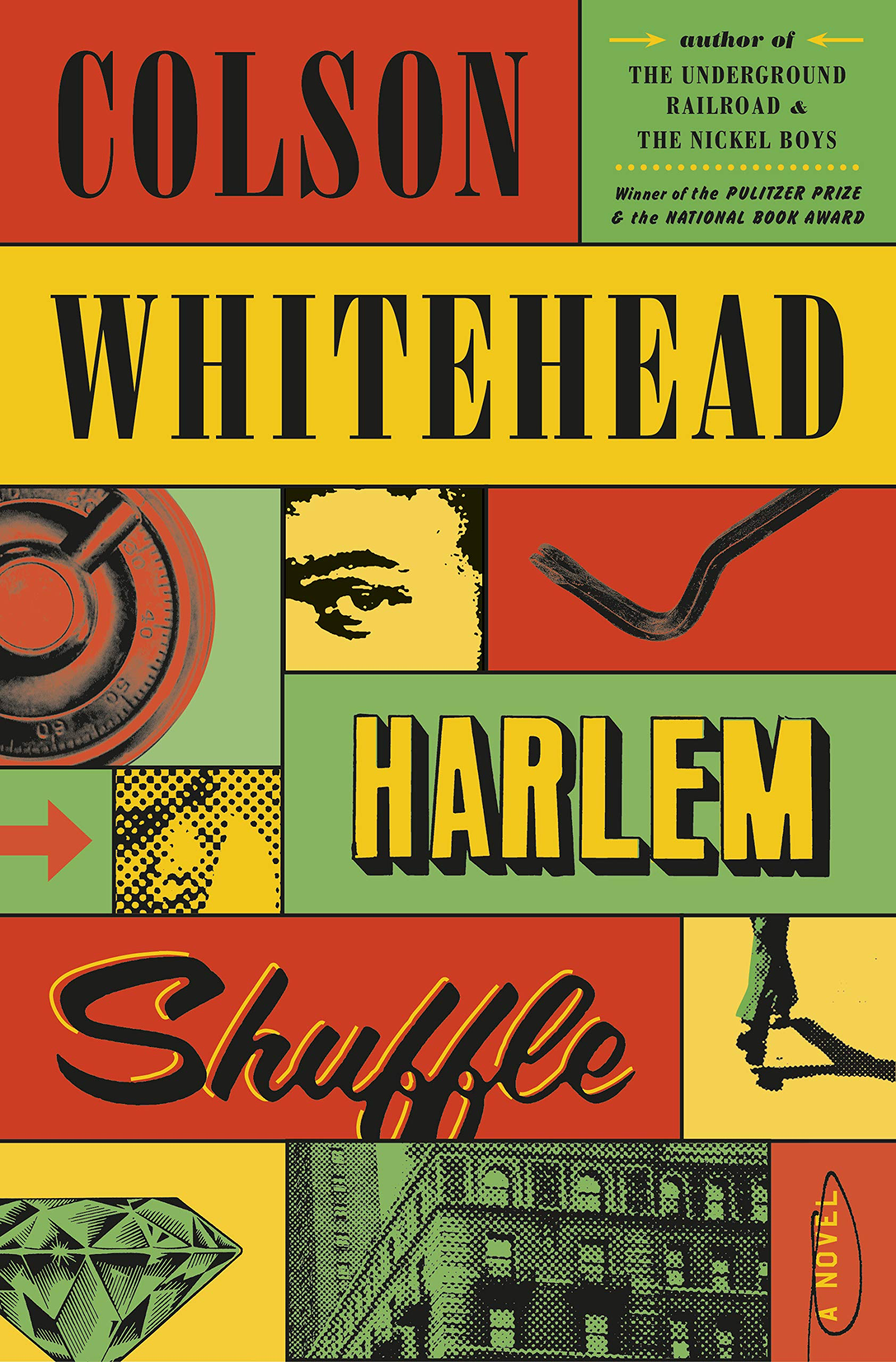
This story drew me in. The main character, Ray Carney, is complex and relatable. I held my breath many times as he found himself more and more out of his depth, drawn into a web of crime he never intended. He has a weakness for trying to make his cousin (more like a brother) happy no matter what bad decisions the guy is making. Then there’s the constant struggle to keep his home life with the wife and kids he adores separate from the other part of his existence. Excellent world building immerses the reader right into 1950s-1960s Harlem.
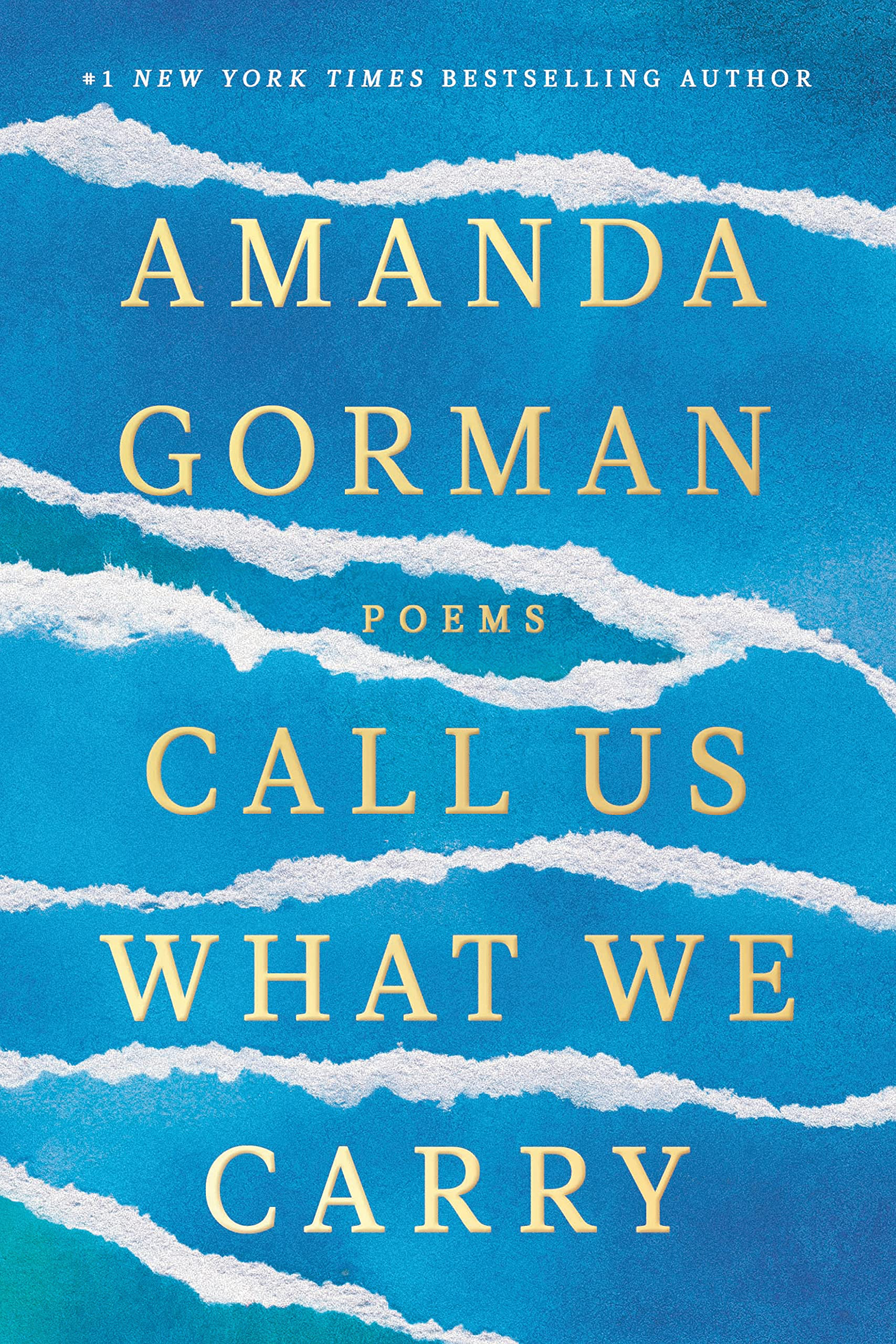
There’s a lot of depth in this poetry collection. I appreciate the way Gorman experiments with form. One poem I re-read a couple of times is titled “Pan.” …”Pandemic, meaning all people. / Pandemonium, meaning / all demon. / Pandora , / meaning all-gifted…”
And I’ll wrap it up with one of my all-time favorite books of poetry.
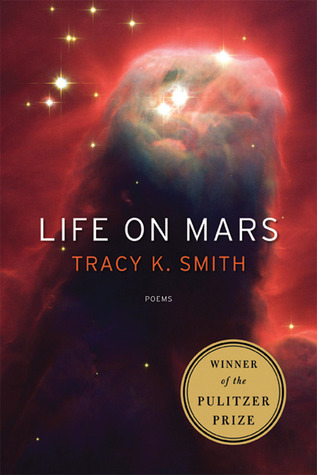
This is another Pulitzer Prize winner. It combines many elements that have been integral to my life: poetry, science fiction and David Bowie. A couple of these poems punched me in the gut, while others had me simply nodding my head in recognition. Smith’s father was a scientist who worked on the Hubble Telescope, which helps explain where some of this came from. Get ready for some BIG questions when you open these pages.
Lines from her poem The Weather in Space:
“…When the storm
Kicks up and nothing is ours, we go chasing
After all we’re certain to lose, so alive—
Faces radiant with panic…”
Please feel free to add your own recommended titles in the comments. Read on!
Fiction that ticked the categories for favorite of the year, most original, and book I wish I had written:
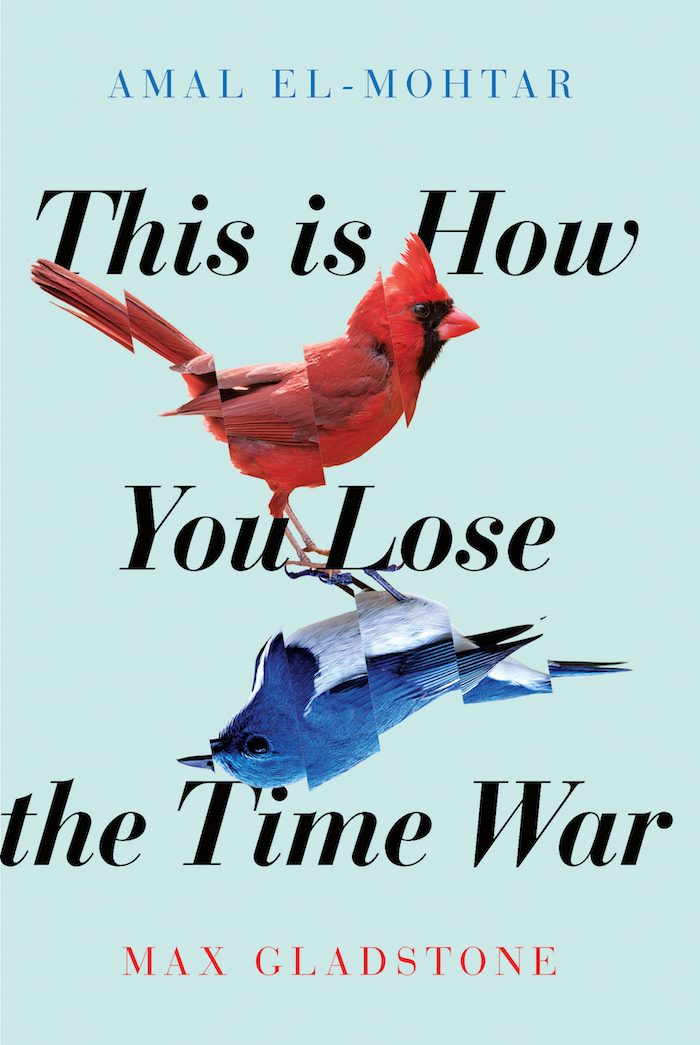
This is How You Lose the Time War by Amal El-Mohtar and Max Gladstone Labeling this is my favorite fiction read is really saying something because I had an exceptionally good reading year with amazing authors.
This is a time travel story, but not in a headache-inducing way that requires the reader to become a double-ledger accountant. Top agents from each side in the time war finally find worthy adversaries in each other and begin a prohibited correspondence, taunting each other to begin with. This is also an enemies-to-love-interest romance. The plot, such as it is, doesn’t center on the tides of the war. It’s very much about the evolution of the relationship, carried on solely through spy vs. spy type activities and letters delivered in increasingly devious ways. It contains lots of allusions to history, art, and other works of literature. Finding those little easter eggs is fun.
These lines hit me hard in light of current events. “Hope may be a dream. But she will fight to make it real.”
Author who was double dipped by me this year:
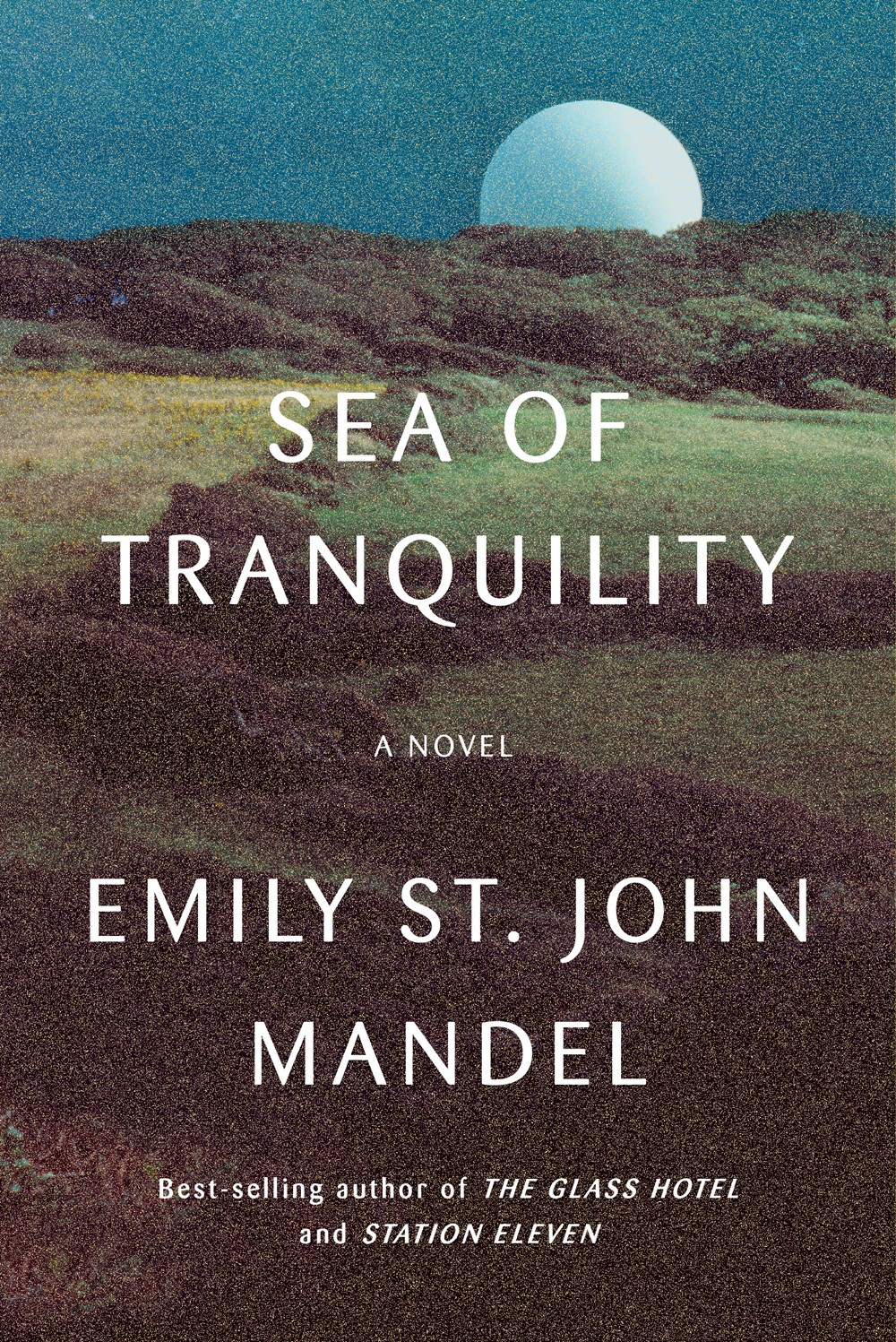
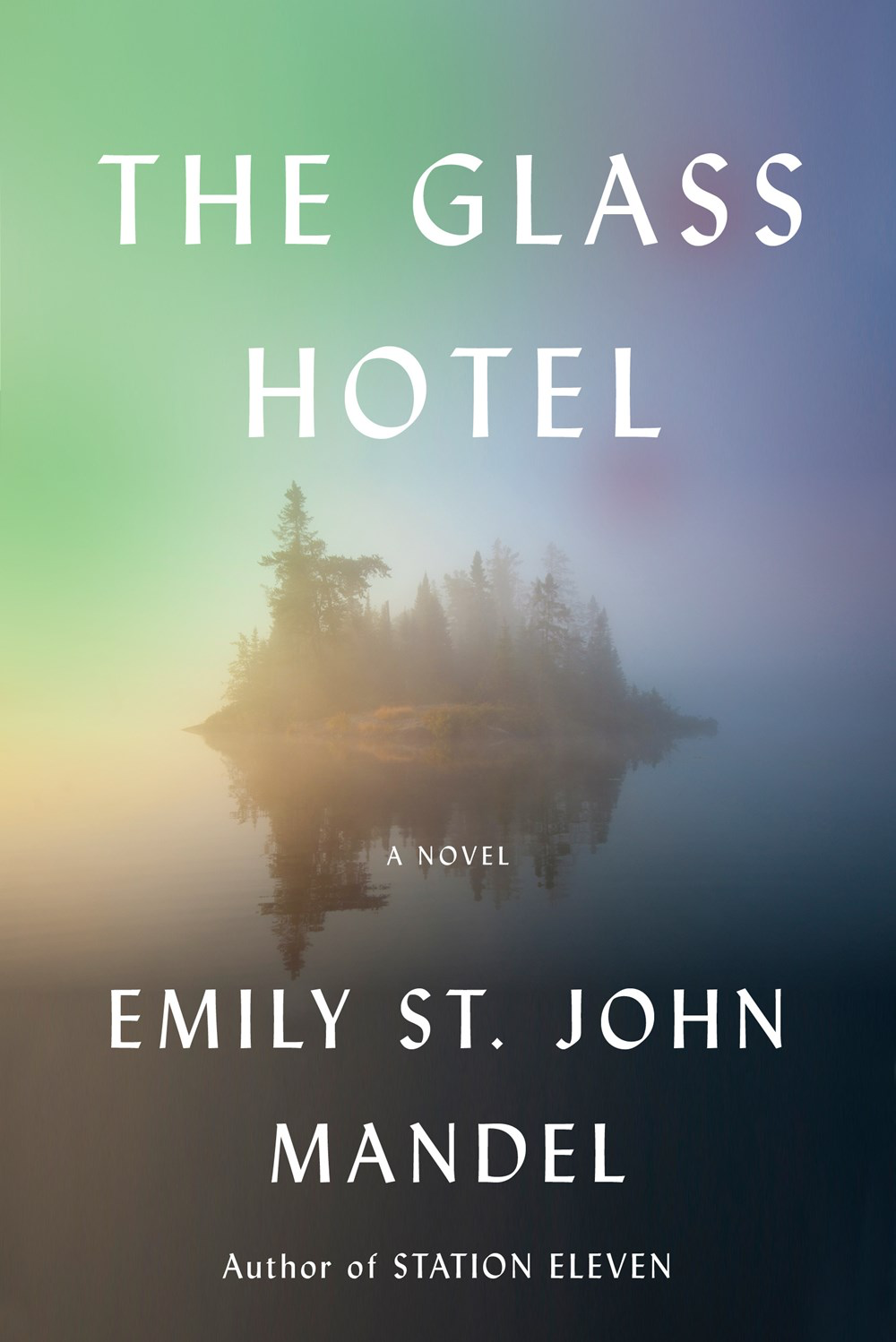
Emily St. John Mandel, with Sea of Tranquility and The Glass Hotel.
Sea of Tranquility is yet another time travel book. I guess that’s my theme for 2024? It’s the story of three different people experiencing the same eerie phenomenon at the exact same place in the Canadian wilderness – the feeling, sights and sounds of being in two places at one time, accompanied by the sounds of violin music and airship travel — but spaced out over centuries. It’s also a tale of a pandemic and humanity’s perpetual existential crisis, as embodied by a time traveler who is determined to unravel the mystery.
In The Glass Hotel , the narrative moves back and forth in time. But none of the characters time travel. I will read anything by Emily St.John Mandel because she knows how to tell a story, and especially how to take you deep into a character’s point of view. The glass hotel is the central “character” that serves as a hub connecting everyone else in the book. This is a character-driven narrative, but also a page turner. The 2008 economic collapse plays a big part in the plot, with its ripples spreading throughout many lives.
Climate fiction that shows how to hold onto hope amidst devastating loss:
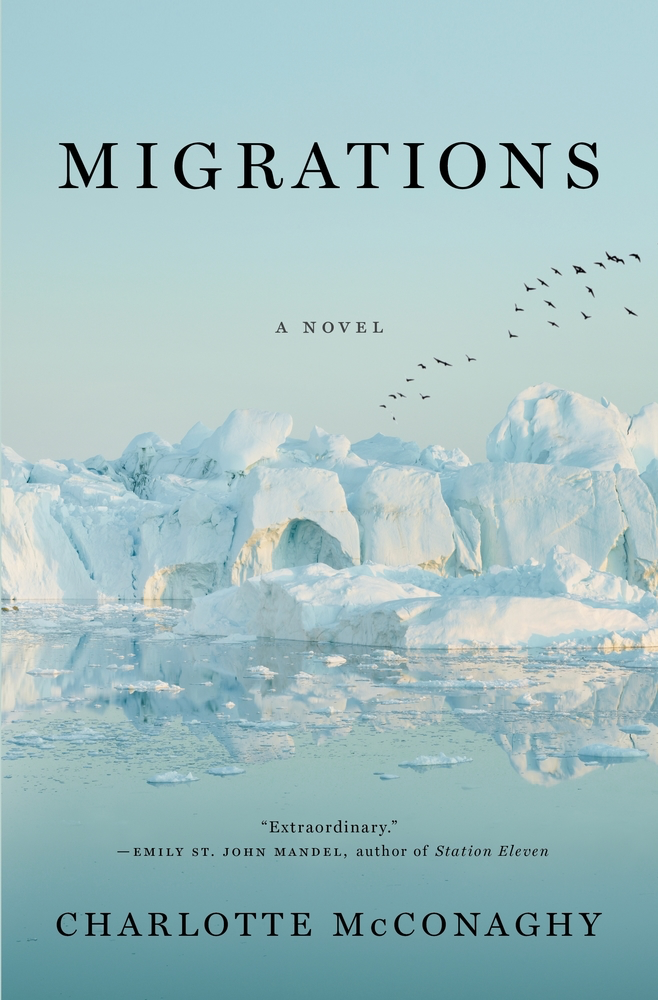
Migrations by Charlotte McConaghy is set in a near-future world of mass extinctions. Franny Lynch, is obsessed with following what is probably the very final migration of the few remaining arctic terns. Through flashbacks, we come to learn Franny’s story and ultimately, what is driving her fierce–one could even say maniacal–determination to see through her project. After she talks her way onto a fishing boat, promising the captain he’ll find fish if he follows the birds, we also come to know the members of the crew and see their relationships with Franny develop.
One of the early mysteries of the book is what happened to Franny’s mother, who disappeared when Franny was ten years old. Disappeared just like the birds and the fish and many animals are doing. Largely, this is a book about grief and how we can try to heal and move forward in the face of unfathomable loss.
Fiction that made me both ugly cry and laugh myself silly:
In Maame, Jessica George bestows a terrific voice on her main character, Maddie Wright, a 25-year-old Londoner who still lives with her dad because she has become his primary caretaker since his Parkinson’s diagnosis. Maddie’s mother spends months at a time in Ghana, purportedly helping with a family business. And Maddie’s brother James is just too busy. When the chance finally arises for Maddie to move out on her own, she has a lot of lost time to make up for.
Memoir that made me ponder the existential:
In My Time of Dyingby Sebastian Junger, who approaches his own near-death experience with the same investigative techniques he uses for other topics, weaving anecdote and feeling with background information. I was struck by his determination to try to understand how physics ties in with the possibility of an afterlife considering that his own event involved an interaction with his late father, a dedicated and accomplished scientist.
Quote: “Your pulse is your life, the ultimate proof you’re animate and have something rare to lose. Everything alive has some kind of flux and ebb, and when that stops, life stops. When people say life is precious, they are saying that the rhythmic force that runs through all things–your wrist, your children’s wrists, God’s entire green earth–is precious.”
Memoir that resonated with me so hard I talked about it in therapy:
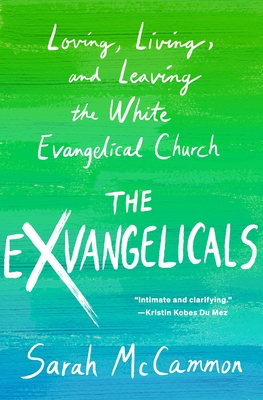
The Exvangelicals by Sarah McCammon is a book I really needed. As an exvangelical myself, it was a deeply meaningful read for me. I think there’s a lot of healing in sharing stories and knowing you’re not the only one. I’ve been out of extreme right-wing evangelical Christianity for decades now (I do still consider myself Christian, just a different flavor) and am still unravelling all the threads. It might be my life’s work.
McCammon shares not only her own experience, but also words from other exvangelicals, many of whom point to their former church’s embrace of Trump as an inflection point for them. As one of the earliest of Gen X, I had a very similar experience re: Reagan. I wasn’t voting age the first time he ran, but I was just starting to tune into politics and couldn’t wrap my head around my elders choosing him over Carter because they believed Reagan was more “pro family.”
Quote: “Wounded people have a natural instinct to push back, to protect themselves. And for those of us who grew up in the culture wars–who’ve been trained to fight and to fight hard–laying down the sword, taking off the armor, and tending those wounds is one of the biggest battles of all.”
Nonfiction I believe will be useful in the coming year(s):
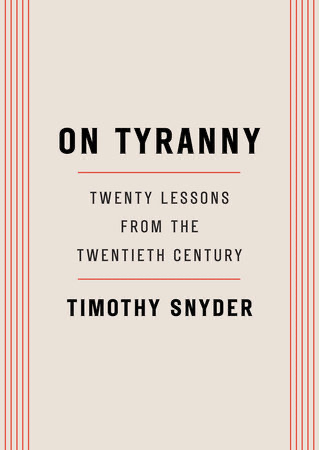
I wish there was no need for On Tyranny by Timothy Snyder. But given the circumstances, I’m glad it exists. Each chapter is only a few pages and focuses on one piece of advice in dealing with authoritarian governments. The general format is directive/short explanation of what he means by it/ historical example of how people have done it effectively/practical suggestions for your own life.
There’s a lot in here about living authentically, embracing truth, maintaining empathy and building community. But it’s all succinct and easy to follow. I highly recommend reading it ASAP.
Onward to 2025! May our lives be full of joy, meaning, and books!
I’m blessed to be surrounded by a lot of creative people. 2022 was a highly productive year among my circle of acquaintances — so much so that I’m still trying to work my way through everything they produced. It’s a good problem to have. Here’s a sampling:
“Marley was dead, to begin with.” That would be Uncle Marley to his teenage nephews Aaron and Kyler — cousins to each other. Marley was the wild one in the family, but always loving to his kin. When the two boys find what appears to be a treasure map in Marley’s fishing cabin, they decide they could both use a little adventure, along with money. Of course, it might be drug money and there might be some bad guys who are also tracking it down, and the boys might accidentally involve two girls they like and they might not actually make it to the church camp which is the cover for their road trip.
In these poems, Lampe grapples with the life-long effects of growing up with a mother who was mentally ill. There’s compassion and pain and laughter and sparks of joy, with a good dollop of love throughout. Many of the pieces examine not only her relationship with her mom, but her mom’s relationship with a society that didn’t listen to women, but tried to control them.
The first selections in this memoir are poems reflecting on the author’s childhood experiences with encephalitis, an illness that was debilitating for quite some time, requiring intense care from her mother. As the book progresses, the roles reverse and Leonhard finds herself caring for a mother afflicted by dementia. The complexities of the mother-daughter relationship are explored in-depth.
Fiction that’s on my to-read list for January. From the inside cover of the novel: “When Leah’s mother is diagnosed with Alzheimer’s it becomes clear that there will be no reconciliation with the woman who has played a big and dangerous role in her life. As Leah chronicles her mother’s descent into nothingness, she both mourns and recreates the life her mother might have led. In the process, she paints the portrait of a wife and mother who struggled to raise a family, who had contentious mother-daughter relationships with her children, and a woman who struggled with mental health and addiction: A complicated human being who was loved.”
Another memoir with poetry. This is an intimate look at grief, healing, and survival after devastating loss. You can read an excerpt in the “Compassionate Friends” newsletter.
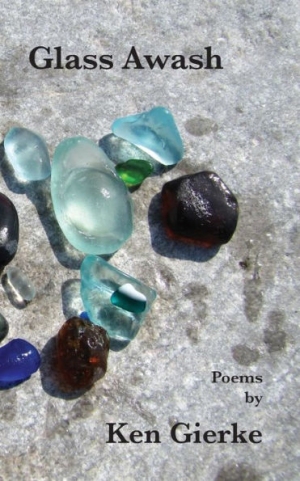
I confess I haven’t started reading this poetry collection yet. But I have heard Ken Gierke read a number of times and find his poems both insightful and enjoyable.
~~
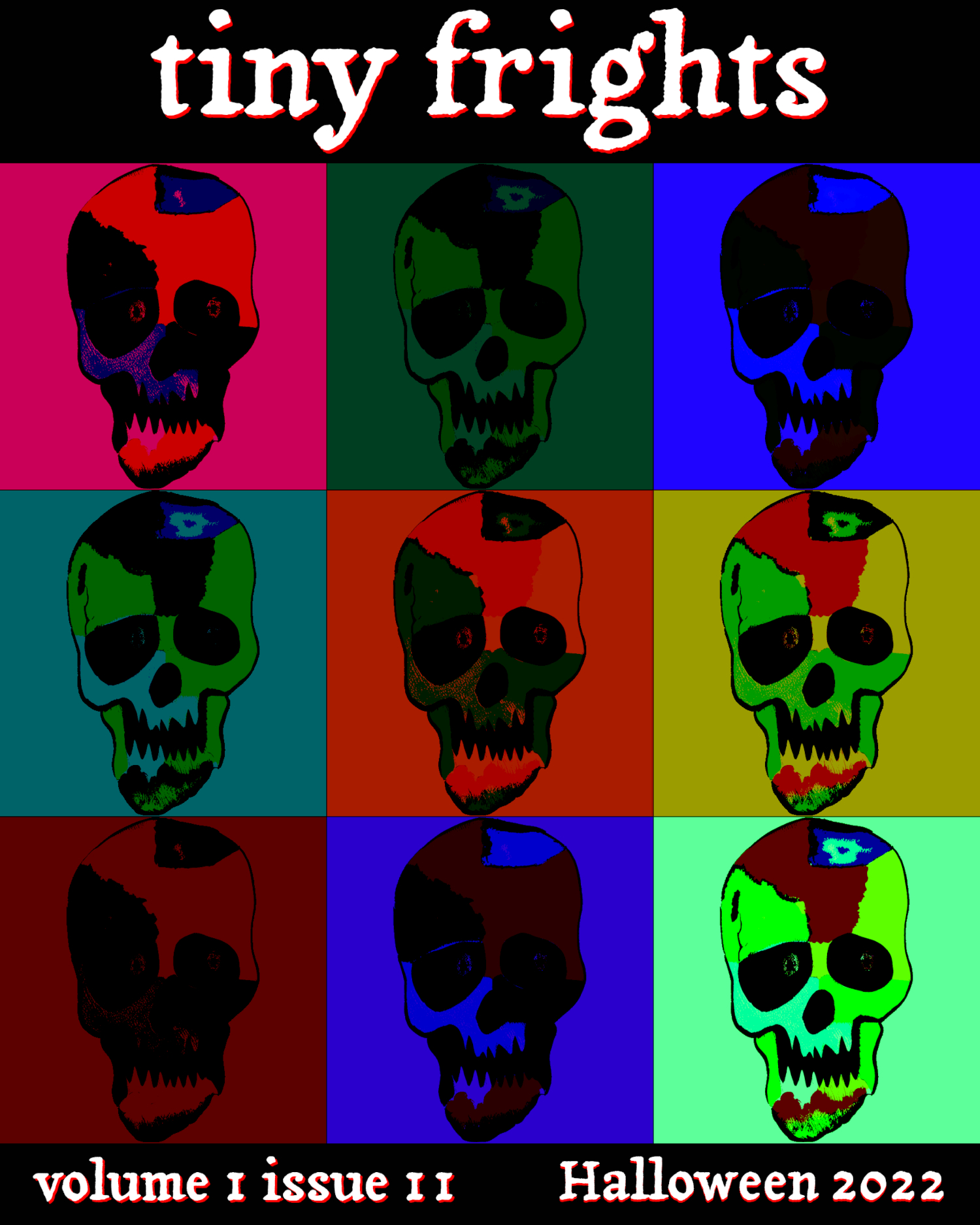
“Tiny Frights” a horror ezine published by Carl Bettis.
A new horror zine published by my brother. It features “Horror-themed poetry, fiction, artwork, visual poetry, etc., in small bites. Horror reviews in larger gulps.”
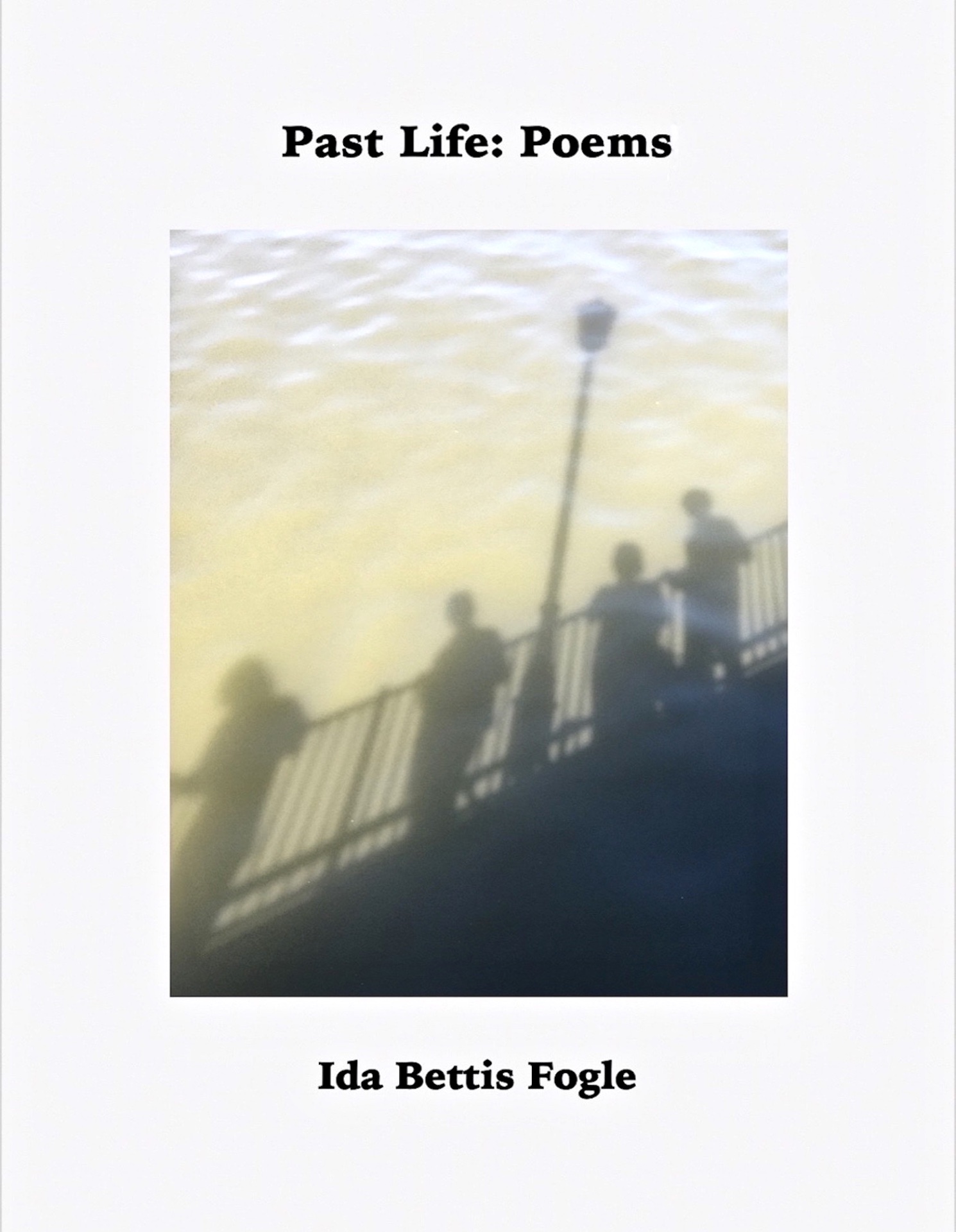
For anyone who has been meaning to get around to purchasing my ebook of poetry, published in 2020, now’s your chance to get it extra cheap. From now through the end of the year “Past Life” is on sale at Smashwords for $1.49.
I usually stay away from politics on this blog, but this issue is urgent and huge. Missouri Secretary of State, Jay Ashcroft, who seems desperate to stay in the spotlight through ever more extreme and controversial measures, has proposed a new rule for public libraries in the state, deceptively title “Library Certification Rule for the Protection of Minors.”
Under this proposal, public libraries would lose funding if they continue their policies of allowing parents and families to make the choices about what their own children are allowed to read. Instead, libraries would be required to make available to minors only books approved by the state.
Beyond the free speech implications, this kind of rule is setting libraries up to fail by making it logistically impossible to function. How do you enforce it at the library level? Do you station a staff member at every self check machine to demand photo ID and act as a bouncer for anyone under 18 trying to check out materials?
A similar state law has already gone into effect regulating public school libraries, to chilling effect. Thanks to SB775 “School districts have banned works on Leonardo da Vinci and Michelangelo, graphic novel adaptations of classics by Shakespeare and Mark Twain as well as The Gettysburg Address, the Pulitzer-prize winning Maus, and educational books about the Holocaust. Also banned have been comics about Batman, X-Men, and Watchmen; The Complete Guide to Drawing & Painting by Reader’s Digest; Women (a book of photographs by Annie Leibovitz); and The Children’s Bible,” according to this article in PEN America.
Public library boards, professional organizations such as the Missouri Library Association, workers’ unions, and many others are uniting their voices to oppose this radical attack on libraries and the right to read. See what some of them have to say on the matter:
The time to take action is now. Public comments are accepted through December 15. If emailing, send your message to comments@sos.mo.gov (15 CSR 30-200.015 must be included in the subject line.)
Quark’s workers unionize on Star Trek, Deep Space 9
I see I haven’t checked in here for a while. I’ve been a little busy helping to organize a union and reading The Count of Monte Cristo, both of which turned out to be huge time commitments. The two efforts came to fruition within a couple of days of each other. Saturday I finished Alexandre Dumas’ 117-chapter epic tale, and on Monday the state of Missouri announced the results of our union election, which we won with 65% yes votes.
Both efforts held surprises for me. Union organizing — gaining big new insights into people I thought I knew. I saw aspects and layers previously hidden to me, most of them good and inspiring, with a small handful of disappointments. The number of hours spent looking at spreadsheets was not something I had anticipated. And I didn’t do nearly as much of the work as some of my colleagues, bless them. Count of Monte Cristo — a lot more drug use than I expected. The psychedelic 1970s had nothing on the 1800s, it seems. There were some truly trippy scenes. Ease up on the hashish, there. Also, a young, early nineteenth century female character who wished to avoid marriage and live independently.
Of course, I was also working both of my paying jobs during this time. So all of this labor movement activity and classics reading led to late nights, with Zoom meetings followed by just another chapter or two. I honestly don’t know how anyone ever runs for office. The stress of campaign-type activities nearly did this introvert in. Often, after yet another meeting, followed by phone calls (shudder) I’d promised to make, or an elaborately-arranged meeting with someone who wanted to sign a union card without being seen to do so, I found myself with an actual need to lose myself in the drama and tension of a fictional character’s story. It was somehow cathartic to transfer the intensity of my feelings into the life and perils and plots of Edmond Dantes, wrongly imprisoned, losing everyone and everything he loved, seeking revenge but unexpectedly finding his heart warring with itself in his resolve.
I’m a different person than I was at the beginning of 2022. This has been the year I determined to pursue some long overdue goals – getting a seat at the table in my workplace and finally pulling The Count from it’s decades-long spot on my to-be-read list. I’m a union woman now, and someone who can speak with knowledge about a Dumas classic.
We’ve won our election, but there’s still organizing to do around electing officers, contract negotiations, etc. And there are enough literary gaps in my world to spend a lifetime filling them. But I might take a breath or two and enjoy some lighter pursuits before plunging myself into the next intense adventure.
I read some books this year. Here are some words about a few of the titles, placed into random categories I just invented.
Biography of someone I’ve always wanted to know more about:
Sometimes You Have to Lie by Leslie Brody. The subtitle for this is “The Life and Times of Louise Fitzhugh, Renegade Author of Harriet the Spy.” Though her book was formative for me in my youth, with a relatable main character who embraced her own quirks, I never knew much about Fitzhugh. Brody presents a satisfying portrait of Harriet’s creator, a person as real and passionate and complicated as the iconic character she brought to life. Fitzhugh was also an accomplished artist, outspoken against racism, and a person who strove to live a life true to herself, openly gay in an era when closeting was more the norm.
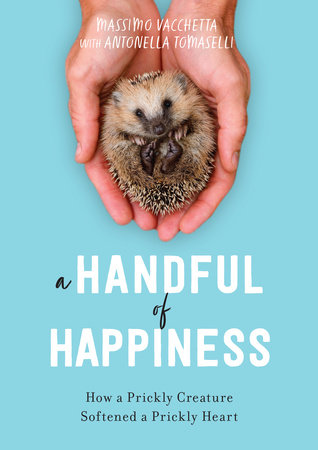
Sweetness and awww: A Handful of Happiness by Massimo Vachetta. This little memoir by an Italian veterinarian who opened a hedgehog rescue center will remind you that compassion is never wasted.
Nonfiction book that made me go hmmm while rubbing my chin in a thoughtful way, but also laugh several times: A Libertarian Walks Into a Bear by Matthew Hongoltz-Hetling. This book is a sometimes hilarious, other times scary look at a failed attempt to build a libertarian Utopia in a small New Hampshire town. The author does a good job showing the humanity of the people involved, while also detailing the sometimes tragic consequences of prioritizing a rigid black-and-white ideology over the nuances of reality. You can ignore zoning and wildlife regulations in the name of freedom. But when you end up trapped in your house by bears that have come to see humans as their best source of food, that might not feel a lot like freedom.
Poetry that stands the test of time: Flame and Shadow by Sara Teasdale. I went to the way back transporter for this book by one of Missouri’s Pulitzer Prize winners. Her work puts me in mind of the nature-y essence of Mary Oliver combined with the sharp-edged insights of Dorothy Parker. “There Will Come Soft Rains” gives me chills every time I read it.
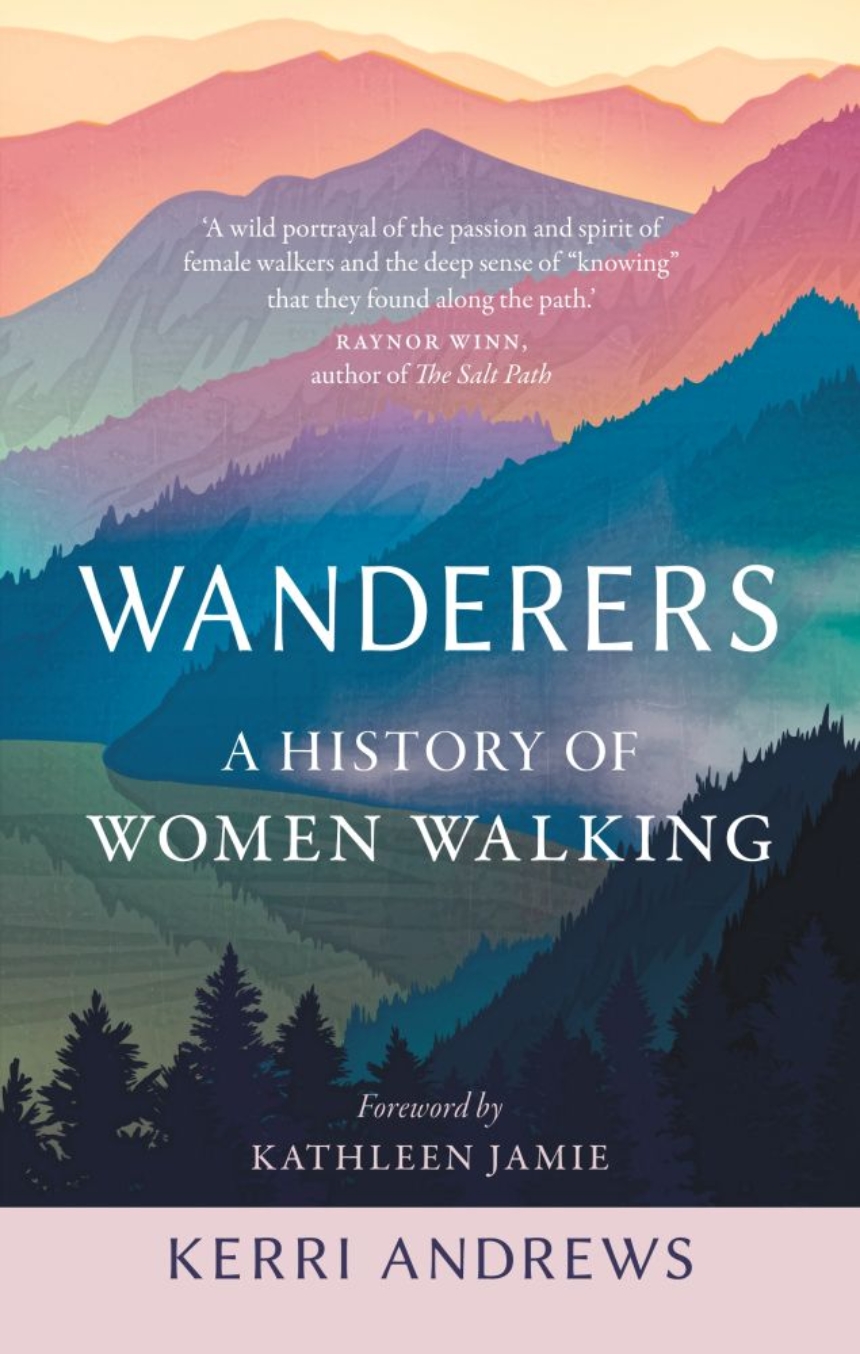
Nonfiction that made me want to do what they did: Wanderers, a History of Women Walking by Kerri Andrews. The author begins with some of her own experiences in the mountains of Scotland, then forays into ten separate essays, each one focusing on a single woman who walked. How had I never heard about Dorothy Wordsworth before?
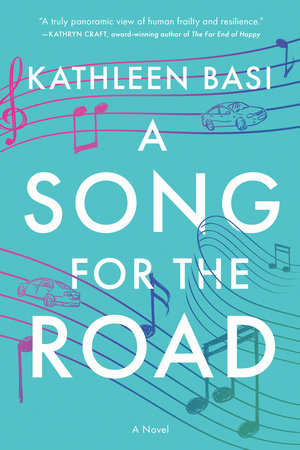
Novel written by a friend that’s so good I didn’t have to pretend even a little bit when I said I loved it: A Song for the Road by Kathleen Basi. Full disclosure — I was a beta reader for early drafts of this. I liked it so much, I still took the time to read the final version. It’s a touching but never maudlin look at grief. A year after Miriam loses her husband and two teen children in an accident, she happens across a road trip app her daughter was developing and decides to follow its prompts in an effort to find a way forward in her life. Along the way, she picks up a young pregnant hitchhiker. This sounds heavy, but there are also moments of real levity.
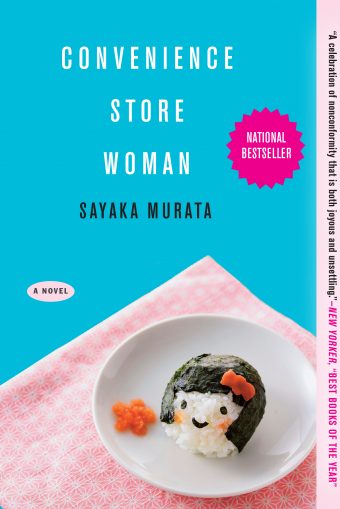
Highly original fiction celebrating neurodiversity, set in a specific cultural niche: Convenience Store Woman by Sayaka Murata, translated to English by Ginny Tapley Takemori. This is a story about a woman who truly finds her calling, working part-time at a convenience store. If only everyone else in her life could accept this, things would be peachy. But her parents and sister always hold out hope that she will eventually “get better.” Keiko tries with all her might to understand and obey the rules of being human, observing that “foreign objects get expelled.” This book will resonate with anyone who has ever felt like a misfit.
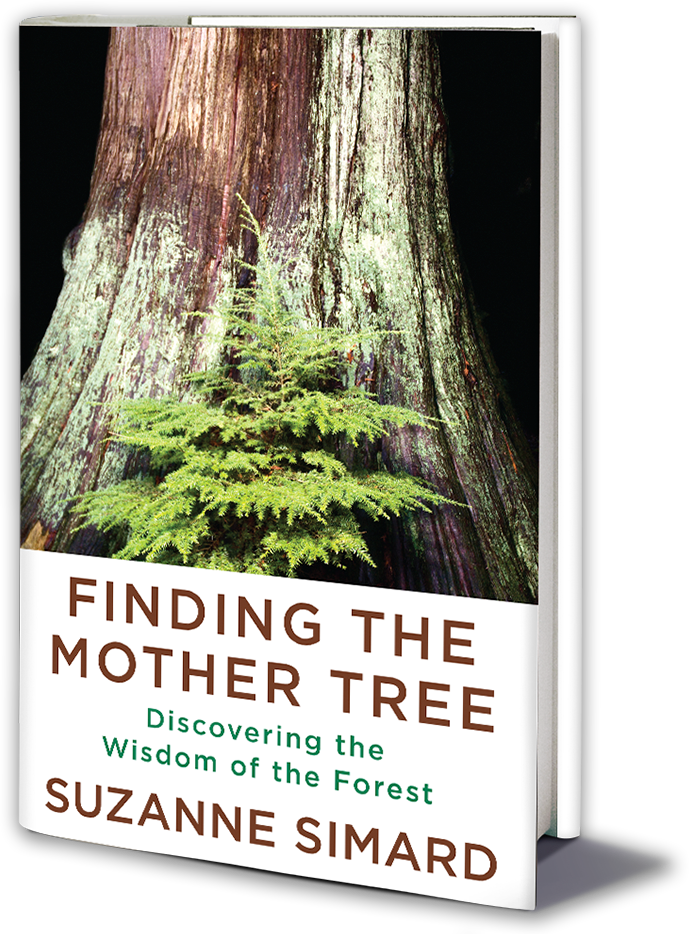
Science memoir that made me say, Wow!: Finding the Mother Tree: Discovering the Wisdom of the Forestby Suzanne Simard. Suzanne Simard is a scientist who knows how to tell a story. Part memoir, part ecology lesson, this book is engaging and enlightening all the way through. The author has a knack for explaining science for the layperson. I was fascinated by the details of her experiments in old growth forests. Her nature descriptions are often breathtaking.
Some things I learned: Many trees in a forest have a reciprocal relationship, sending water and nutrients back and forth. Various kinds of fungi are instrumental in this. In a forest setting, if there’s a dry spell, the older, bigger trees with deep roots will pull up water from underground and send it to the younger, smaller trees with shallower roots to help them survive. That’s one of many reasons that clearcutting out big trees for wood products and replacing them with all new seedlings might not work out well. “We can think of an ecosystem of wolves, caribou, trees, and fungi creating biodiversity just as an orchestra of woodwind, brass, percussion, and string musicians assemble into a symphony.”
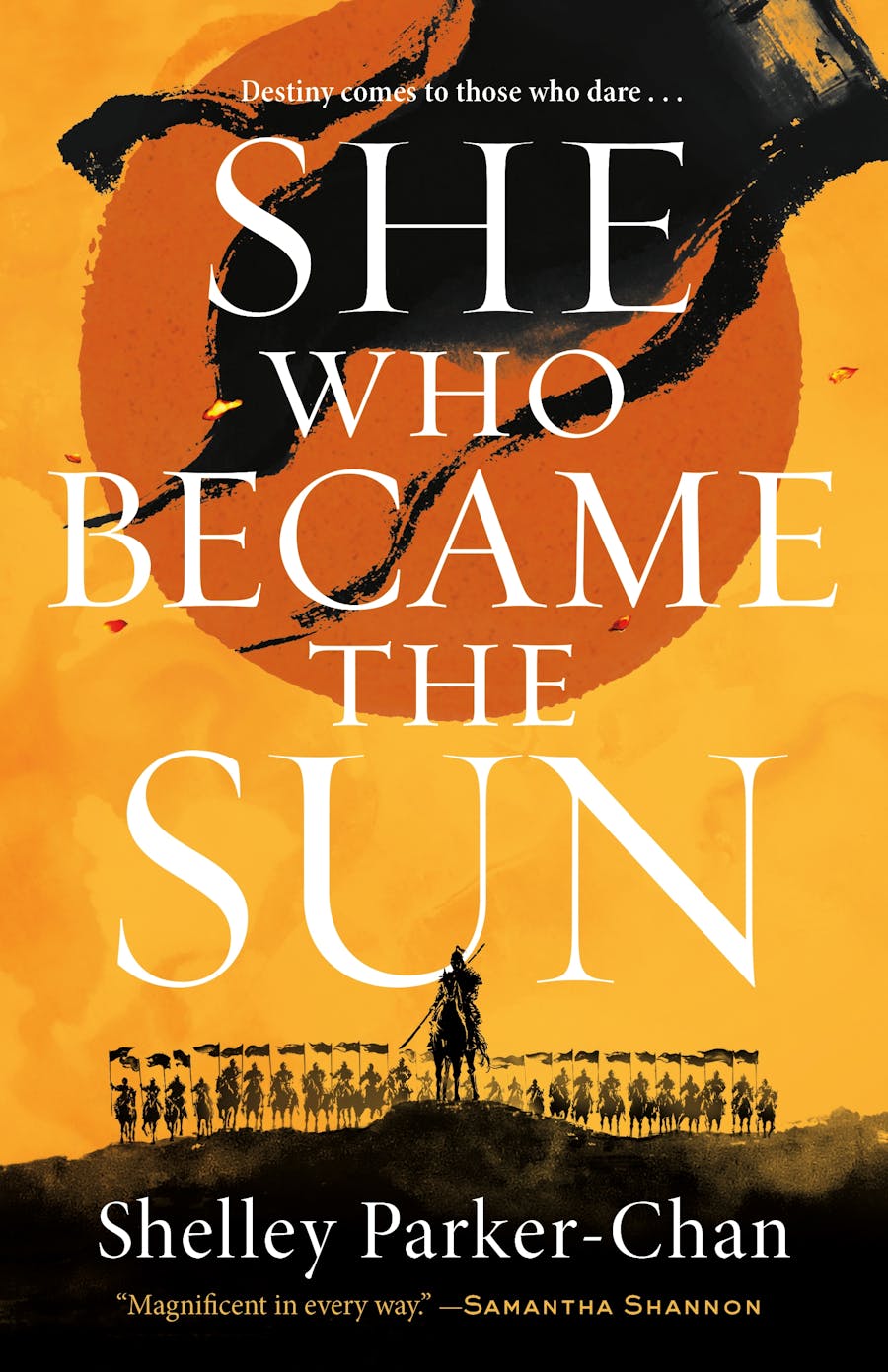
Historical fiction with added ghosts that made me say, Wow!: She Who Became the Sun by Shelley Parker-Chan. Set in 14th century China, this story explores themes of fate, free will, loyalty, the nature of power, and of course, gender. Though we’re often taken deep into the point of view of Zhu, a girl who takes on her late brother’s identity in pursuit of his unclaimed fate, the author keeps back just enough so that the story does not become predictable. The characters are complex, the plot is clever, and the story a real page turner. Overall, I’d say this book accomplishes what art is supposed to – it made me feel and think deeply.
Laugh riot classic: Carry On, Jeeves by P.G. Wodehouse. These short stories are a hoot, with the ever-resourceful, comically understated gentleman’s gentleman, Jeeves, time and again saving the skin of his employer, the hapless Bertie Wooster. In the process, Jeeves often advances his own agenda as well. Wodehouse had a genius for turns of phrase — “shrubbery that looked as if it had just come back from the dry cleaner” to describe a meticulously groomed garden, for instance. There’s quite a bit of slang of the era, and some that Wodehouse invented, but it’s easy to figure out the meaning by the context. I felt these stories were bracing — not the least bit rummy.
Following are a few readings relevant to the day. The point of the list isn’t to tell anyone they should absolutely agree with every word of every one of these writings, but just to prompt folks to spend some time examining different viewpoints and really thinking about what peace is and how we might work toward it. Feel free to add your own suggestions for titles in the comments.
The Racial Healing Handbook by Annaliese Singh. The theme for 2021 is “recovering better for an equitable and sustainable world.” This book seems like a good fit. The subtitle is “Practical Activities to Help You Challenge Privilege, Confront Systemic Racism, and Engage in Collective Healing.”
Nonviolent Communication: a Language of Life by Marshall Rosenberg and Arun Gandhi. I have found this book helpful in my personal and professional life, especially as I have a job that requires a lot of interaction with the public.
Peace Pilgrim: Her Life and Work in Her Own Words. In 1953, a woman began a decades-long journey on foot throughout the United States and Canada, carrying a message of peace to everyone she met. This is her memoir. Talk about walking the walk.
The War Prayerby Mark Twain, who was a consistent critic of U.S. military action in the Philippines. This had a huge influence on me when I read it as a teen. In the story, a church assembly prays for victory in battle for their soldiers. Immediately, an unknown man in a long robe appears, promising the request will be fulfilled, but only if the congregation still wants it after hearing the full consequences of what they are asking.
I’m happy to report I have a much lower degree of hitch in my git-along than I did the last time I posted. I still have to be mindful of how I move while doing certain tasks, but I can take walks again. I have even been on my bicycle. You may ask, what does an avid ambler do while sidelined? She reads about walking, of course!
I will read almost anything about walking and almost anything about women empowering themselves. I found a great combination of the two themes in Wanderers, a History of Women Walking by Kerri Andrews.
Andrews focuses on women who have written about their walking experiences. Some figures were familiar to me — Anais Nin, Virginia Woolf. Others were new introductions. I was particularly interested to learn of Dorothy Wordsworth, who exhilarated in day-long walks of twenty miles or more, and was every bit as accomplished as her brother William. I want to know more about her. I’m also planning to look up the work of Linda Cracknell. In fact, Wanderers grew my to-read list quite a bit.
In addition to profiling ten other women, Andrews also shares some of her own adventures in the mountains of Scotland and elsewhere. She was able to retrace a few of the walks mentioned by women who came before her, exploring her feelings as she follows their footsteps.
She adds a lot of context, too, about women’s lives in different locations and time periods, speaking of the challenges that kept, and still too often keep, our existences restricted. William Wordsworth was usually free to pick up and go at a moment’s notice, while his sister was tied down with domestic chores. And then there have been societal expectations on women’s behavior, plus the extra threats women face when striking out alone. Walking is great medicine, but it’s one some of us have to work for more than others.
I want to finish with a special note of appreciation for the author’s words about the value of walking and re-walking the same routes again and again. Doing this myself has turned out to be one of the most profoundly spiritual practices of my life.