Film Thoughts: The Librarians

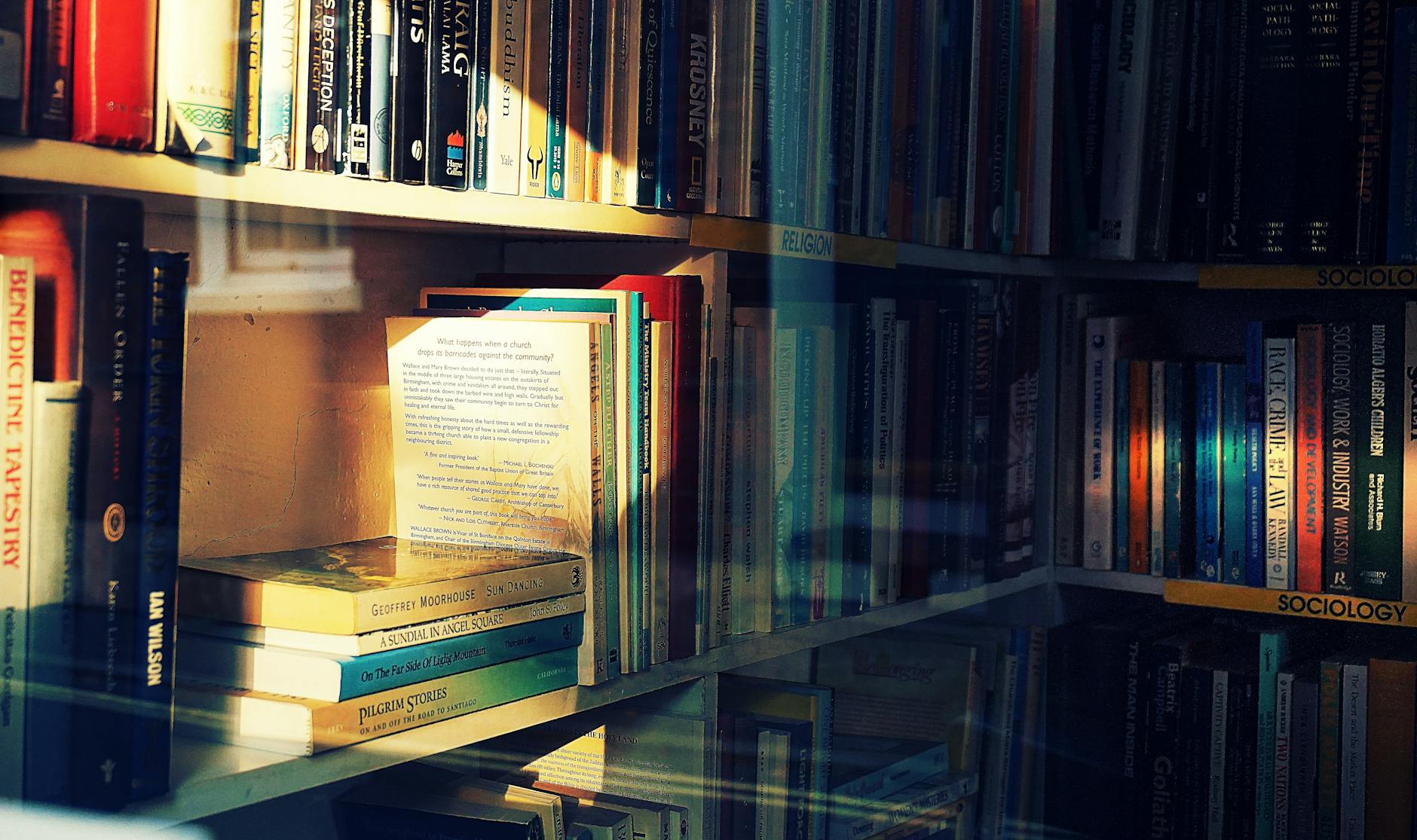
Photo by Suzy Hazelwood on Pexels.com

I attended a conference this week where the organizers arranged a screening of the newly released documentary The Librarians. In a room of ~400 people, at least 200 of us shed tears during the viewing.

Working in the profession in one of those states, I have been well aware of the growing attacks on books, libraries and librarians. But it was an extra level of intense seeing actual interviews and footage of people who have served their communities, for decades in some cases, slandered and under attack for working to preserve access to literature, for dedicating their lives to igniting a love of reading, for insisting on inclusion for every person who comes through the door.

Some have lost their jobs. Some have fled the homes they loved to start over in a new place. Some have had to hire security (on librarian wages!) One was pictured driving through her hometown saying something like, “I have made sure everyone here knows I do own a gun.” This in response to death threats she has received. All because they want kids and adults to have access to books that combat racism or affirm the dignity of LGBTQ individuals.

I very nearly ugly cried (mild spoiler alert) when the filmmakers interviewed the gay son of a woman who has crusaded in the most vile way against school librarians for having books with diverse characters and messages of acceptance. He ultimately decided to go speak against his mother’s message at the same school board where she had been showing up and making a spectacle.

Mixed in with the tears in the room were cheers for these folks who have been thrust into the role of intellectual freedom warriors, a battle they didn’t anticipate. Importantly. the documentary pulls back the curtain on some of the behind-the-scenes funding and organization behind the pro-censorship groups.

If you get a chance, I highly recommend a viewing of this movie. But have your hanky ready.

See the trailer here.

After you watch it, check out these sites for information on protecting the right to read:

5 Ways to Fight Book Bans–PEN America

Unite Against Book Bans

ALA Get Involved–Banned and Challenged Books

In Missouri, there’s the Right to Read Coalition.


My Year in Reading: 2024

Some words about some books I read this year.

Fiction that ticked the categories for favorite of the year, most original, and book I wish I had written:

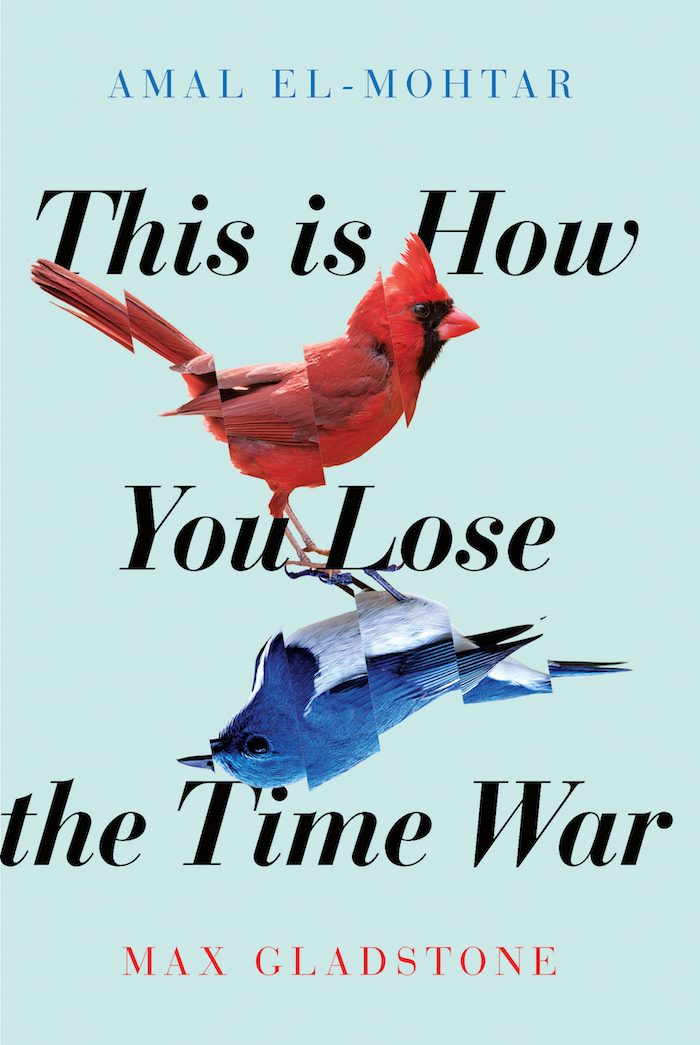
This is How You Lose the Time War by Amal El-Mohtar and Max Gladstone
Labeling this is my favorite fiction read is really saying something because I had an exceptionally good reading year with amazing authors.

This is a time travel story, but not in a headache-inducing way that requires the reader to become a double-ledger accountant. Top agents from each side in the time war finally find worthy adversaries in each other and begin a prohibited correspondence, taunting each other to begin with. This is also an enemies-to-love-interest romance. The plot, such as it is, doesn’t center on the tides of the war. It’s very much about the evolution of the relationship, carried on solely through spy vs. spy type activities and letters delivered in increasingly devious ways. It contains lots of allusions to history, art, and other works of literature. Finding those little easter eggs is fun.

These lines hit me hard in light of current events. “Hope may be a dream. But she will fight to make it real.”

Author who was double dipped by me this year:

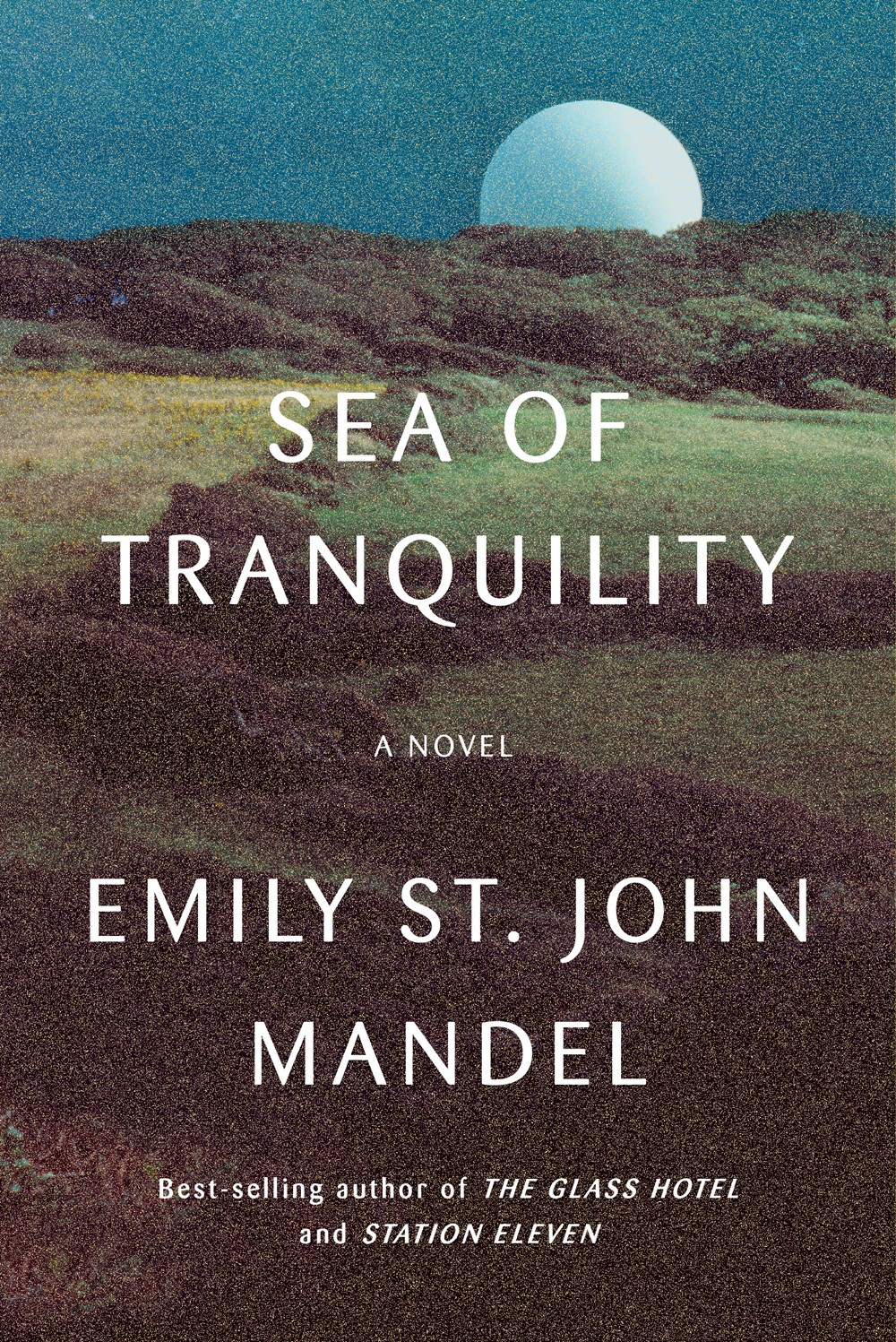
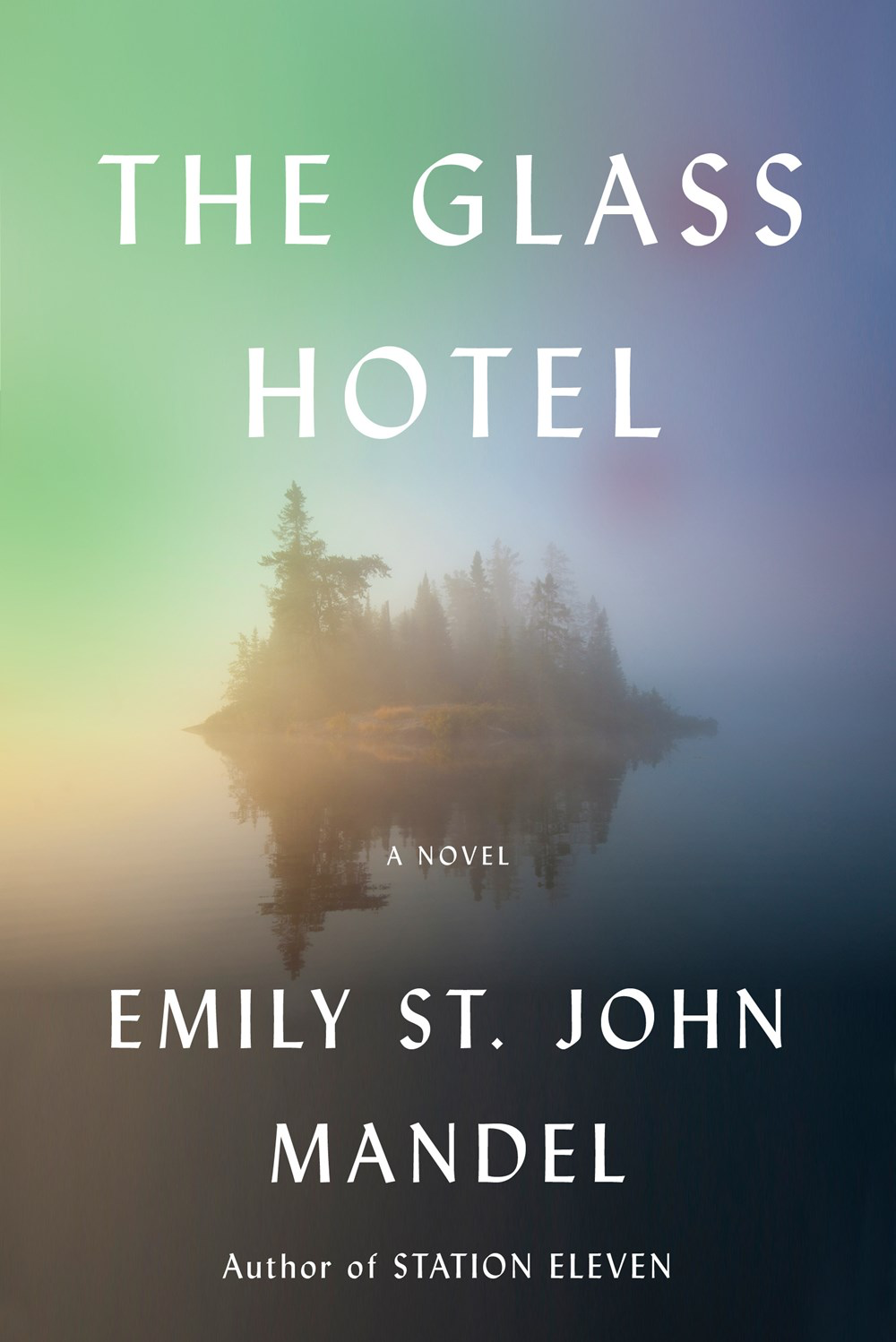
Emily St. John Mandel, with Sea of Tranquility and The Glass Hotel.

Sea of Tranquility is yet another time travel book. I guess that’s my theme for 2024? It’s the story of three different people experiencing the same eerie phenomenon at the exact same place in the Canadian wilderness – the feeling, sights and sounds of being in two places at one time, accompanied by the sounds of violin music and airship travel — but spaced out over centuries. It’s also a tale of a pandemic and humanity’s perpetual existential crisis, as embodied by a time traveler who is determined to unravel the mystery.

In The Glass Hotel , the narrative moves back and forth in time. But none of the characters time travel. I will read anything by Emily St.John Mandel because she knows how to tell a story, and especially how to take you deep into a character’s point of view. The glass hotel is the central “character” that serves as a hub connecting everyone else in the book. This is a character-driven narrative, but also a page turner. The 2008 economic collapse plays a big part in the plot, with its ripples spreading throughout many lives.

Climate fiction that shows how to hold onto hope amidst devastating loss:

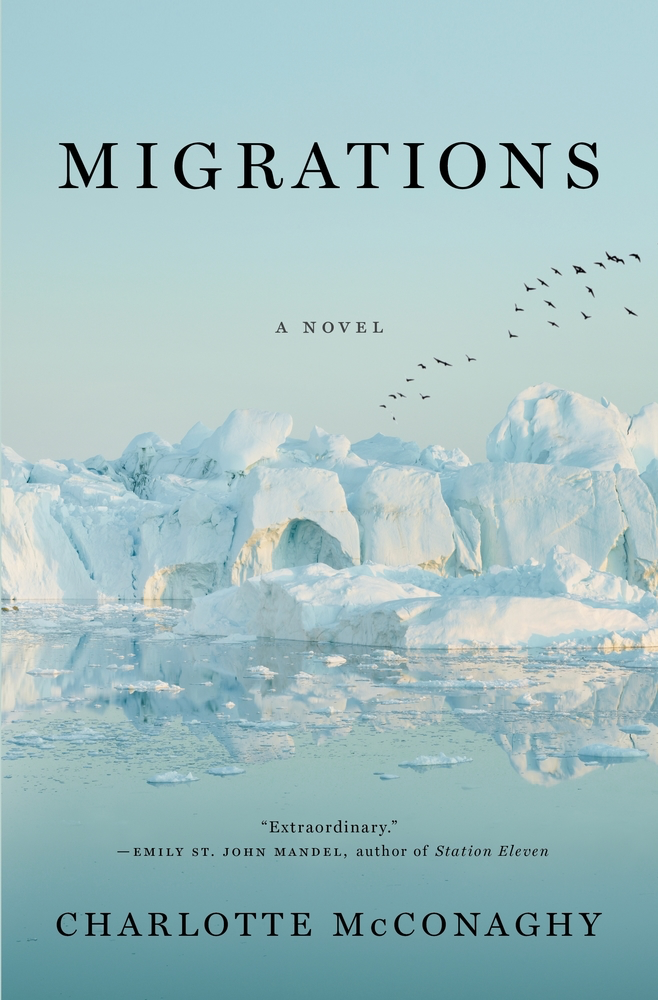
Migrations by Charlotte McConaghy is set in a near-future world of mass extinctions. Franny Lynch, is obsessed with following what is probably the very final migration of the few remaining arctic terns. Through flashbacks, we come to learn Franny’s story and ultimately, what is driving her fierce–one could even say maniacal–determination to see through her project. After she talks her way onto a fishing boat, promising the captain he’ll find fish if he follows the birds, we also come to know the members of the crew and see their relationships with Franny develop. 

One of the early mysteries of the book is what happened to Franny’s mother, who disappeared when Franny was ten years old. Disappeared just like the birds and the fish and many animals are doing. Largely, this is a book about grief and how we can try to heal and move forward in the face of unfathomable loss. 

Fiction that made me both ugly cry and laugh myself silly:

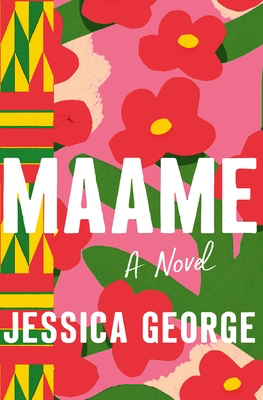
In Maame, Jessica George bestows a terrific voice on her main character, Maddie Wright, a 25-year-old Londoner who still lives with her dad because she has become his primary caretaker since his Parkinson’s diagnosis. Maddie’s mother spends months at a time in Ghana, purportedly helping with a family business. And Maddie’s brother James is just too busy. When the chance finally arises for Maddie to move out on her own, she has a lot of lost time to make up for. 

Memoir that made me ponder the existential:

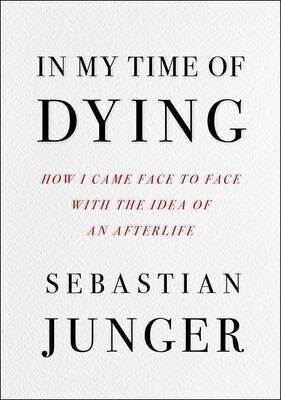
In My Time of Dying by Sebastian Junger, who approaches his own near-death experience with the same investigative techniques he uses for other topics, weaving anecdote and feeling with background information. I was struck by his determination to try to understand how physics ties in with the possibility of an afterlife considering that his own event involved an interaction with his late father, a dedicated and accomplished scientist. 

Quote:
“Your pulse is your life, the ultimate proof you’re animate and have something rare to lose. Everything alive has some kind of flux and ebb, and when that stops, life stops. When people say life is precious, they are saying that the rhythmic force that runs through all things–your wrist, your children’s wrists, God’s entire green earth–is precious.”

Memoir that resonated with me so hard I talked about it in therapy:

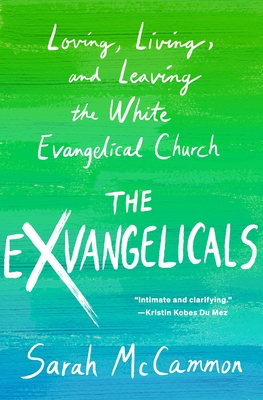
The Exvangelicals by Sarah McCammon is a book I really needed. As an exvangelical myself, it was a deeply meaningful read for me. I think there’s a lot of healing in sharing stories and knowing you’re not the only one. I’ve been out of extreme right-wing evangelical Christianity for decades now (I do still consider myself Christian, just a different flavor) and am still unravelling all the threads. It might be my life’s work.

McCammon shares not only her own experience, but also words from other exvangelicals, many of whom point to their former church’s embrace of Trump as an inflection point for them. As one of the earliest of Gen X, I had a very similar experience re: Reagan. I wasn’t voting age the first time he ran, but I was just starting to tune into politics and couldn’t wrap my head around my elders choosing him over Carter because they believed Reagan was more “pro family.” 

Quote: “Wounded people have a natural instinct to push back, to protect themselves. And for those of us who grew up in the culture wars–who’ve been trained to fight and to fight hard–laying down the sword, taking off the armor, and tending those wounds is one of the biggest battles of all.”

Nonfiction I believe will be useful in the coming year(s):

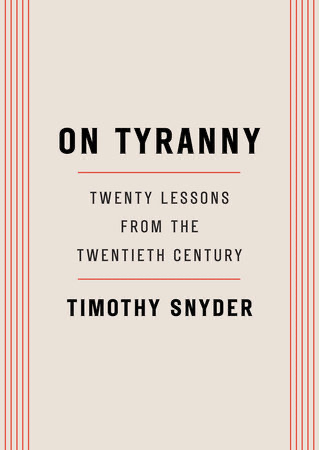
I wish there was no need for On Tyranny by Timothy Snyder. But given the circumstances, I’m glad it exists. Each chapter is only a few pages and focuses on one piece of advice in dealing with authoritarian governments. The general format is directive/short explanation of what he means by it/ historical example of how people have done it effectively/practical suggestions for your own life. 

There’s a lot in here about living authentically, embracing truth, maintaining empathy and building community. But it’s all succinct and easy to follow. I highly recommend reading it ASAP.

Onward to 2025! May our lives be full of joy, meaning, and books!


Hello Again / 32-year Dream Fulfilled

32 years ago, I was floundering for a career/life path. After a great deal of self-assessment, I came to an important insight. The public library helped raise me.

Sorry I was gone from blogging for so long. I was busy building a better working world and chasing my dreams. My workplace unionized in May, 2022. Bargaining of our first contract began in October of that year and didn’t conclude until 14 months later, this past December.

Almost to my own surprise, I ended up on the bargaining team. When you’re negotiating a first contract from scratch, that’s the equivalent of working a second job. And I already had a second job! In addition to the at-the-table negotiations, several hours every week were devoted to research and meetings and collaboration on the crafting of articles. All of this part was done outside of paid work time.

But I’m happy to report that our collective bargaining agreement, which took effect January 1, has made life a bunch better in many ways — money, safety, and fairness, among them. For the first time in decades, I’m earning a living wage. I have even been able to quit the side hustle I was working to make ends meet. Wowza! I went from the equivalent of three jobs to one.

But the dream I referenced in my heading isn’t about becoming a union thug. (Ha, ha. I’m one of the least intimidating people you’ll ever meet.) This achievement is a whole other thing, and I’ll drop a hint with some photos.


Those who have been following me for a while might remember this post from late 2019, in which I shared details of my long journey finishing up my bachelor’s studies through self-directed learning. In one paragraph, I shared my ultimate goal:

“When my youngest was in kindergarten, I got a shelving job at the public library. Things were falling into place. This was the first step toward my new career. I would have an advantage when I got to library school, after finishing my four-year degree.

Of course, it didn’t quite work out like that, and I had to create my own unique educational path. Once I finished my undergrad at “Nomadic Noesis University,” I had a new plan. I’d promised to help my oldest kid with his move from the Midwest to the Pacific Northwest, scheduled for the end of March, 2020. I began studying for the GRE, with the idea I would take the test after fulfilling those obligations to Firstborn. I knew it was a longish shot, but I hoped if I managed a stellar GRE score, I could present that along with my bachelor’s transcript when applying to library school and maybe have at least a prayer of a chance for admittance.

I sincerely apologize to the world’s population for jinxing everything and causing a global pandemic with my “plans.” GRE testing sites became an un-thing pretty quickly. Due to my age, my window for action had shrunk significantly. I realized my dream was over. Or was it?

Hadn’t I just finished homeschooling myself through the final part of an undergrad by finding online syllabi? After a brief period of moping, I put on my big girl britches and decided to do the same for my MLIS.

Here I am, four and 1/2 years on from my last graduation to announce that I did it. I am finished. 32 years ago, I was floundering for a career/life path. After a great deal of self-assessment, I came to an important insight. The public library helped raise me. It was my safe space where I learned essential lessons about the world. I am deeply in love with literature and equally so research. I believe in empowering people and leveling the playing field. What better fits these core principles than library work? I knew my calling.

I followed a long, uphill, circuitous path to get here, but I made it. I lack the symbols — the institution-bestowed degree and the official job title of “librarian.” But I have the real things – the librarian education and the librarian work as an outreach associate (official job title.) I’m even earning a living wage doing it.

Living the dream over here!

~~

Books, Music and eZines: My Creative Friends and Family Were Productive in 2022

I’m blessed to be surrounded by a lot of creative people. 2022 was a highly productive year among my circle of acquaintances — so much so that I’m still trying to work my way through everything they produced. It’s a good problem to have. Here’s a sampling:

**
Marley’s Ghost by Brian Katcher:

“Marley was dead, to begin with.” That would be Uncle Marley to his teenage nephews Aaron and Kyler — cousins to each other. Marley was the wild one in the family, but always loving to his kin. When the two boys find what appears to be a treasure map in Marley’s fishing cabin, they decide they could both use a little adventure, along with money. Of course, it might be drug money and there might be some bad guys who are also tracking it down, and the boys might accidentally involve two girls they like and they might not actually make it to the church camp which is the cover for their road trip.

~~

Talk Smack to a Hurricane by Lynne Jensen Lampe

In these poems, Lampe grapples with the life-long effects of growing up with a mother who was mentally ill. There’s compassion and pain and laughter and sparks of joy, with a good dollop of love throughout. Many of the pieces examine not only her relationship with her mom, but her mom’s relationship with a society that didn’t listen to women, but tried to control them.

~~

Three-Penny Memories: A Poetic Memoir by Barbara Harris Leonhard

The first selections in this memoir are poems reflecting on the author’s childhood experiences with encephalitis, an illness that was debilitating for quite some time, requiring intense care from her mother. As the book progresses, the roles reverse and Leonhard finds herself caring for a mother afflicted by dementia. The complexities of the mother-daughter relationship are explored in-depth.

~~

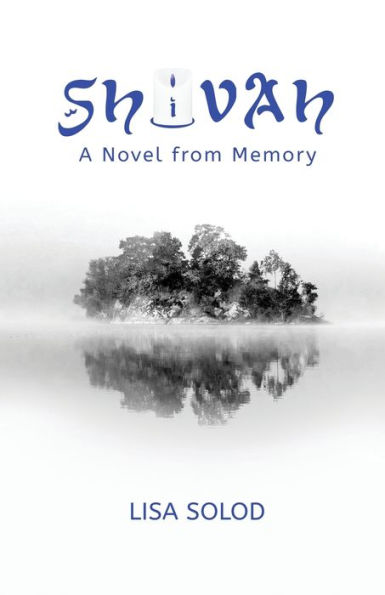
Shivah by Lisa Solod

Fiction that’s on my to-read list for January. From the inside cover of the novel: “When Leah’s mother is diagnosed with Alzheimer’s it becomes clear that there will be no reconciliation with the woman who has played a big and dangerous role in her life. As Leah chronicles her mother’s descent into nothingness, she both mourns and recreates the life her mother might have led. In the process, she paints the portrait of a wife and mother who struggled to raise a family, who had contentious mother-daughter relationships with her children, and a woman who struggled with mental health and addiction: A complicated human being who was loved.”

~~

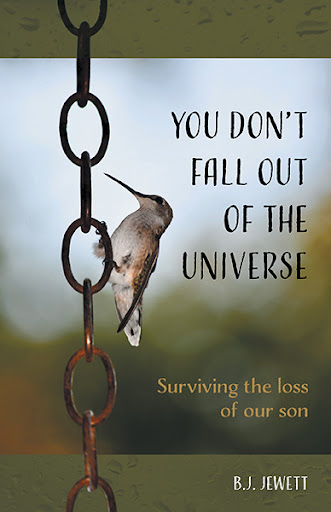
You Don’t Fall Out of the Universe: Surviving the loss of our son by B.J. Jewett

Another memoir with poetry. This is an intimate look at grief, healing, and survival after devastating loss. You can read an excerpt in the “Compassionate Friends” newsletter.

~~

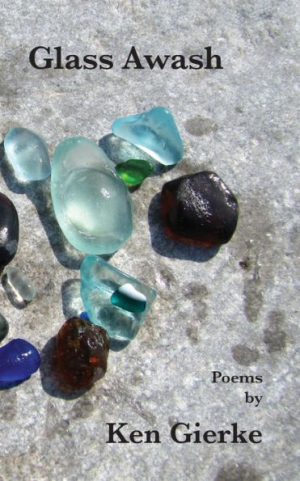
Glass Awash by Ken Gierke

I confess I haven’t started reading this poetry collection yet. But I have heard Ken Gierke read a number of times and find his poems both insightful and enjoyable.

~~

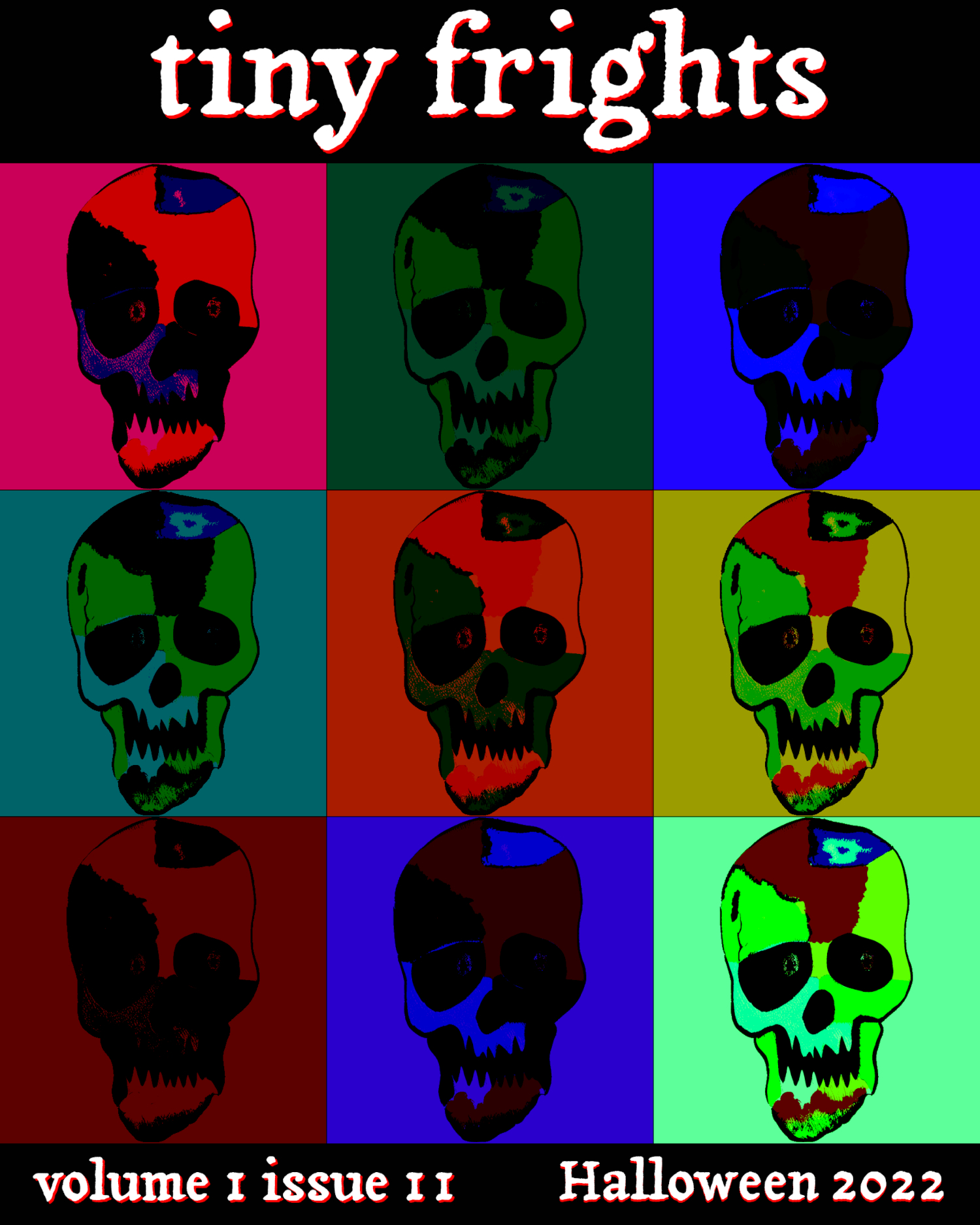
“Tiny Frights” a horror ezine published by Carl Bettis.

A new horror zine published by my brother. It features “Horror-themed poetry, fiction, artwork, visual poetry, etc., in small bites. Horror reviews in larger gulps.”

~~

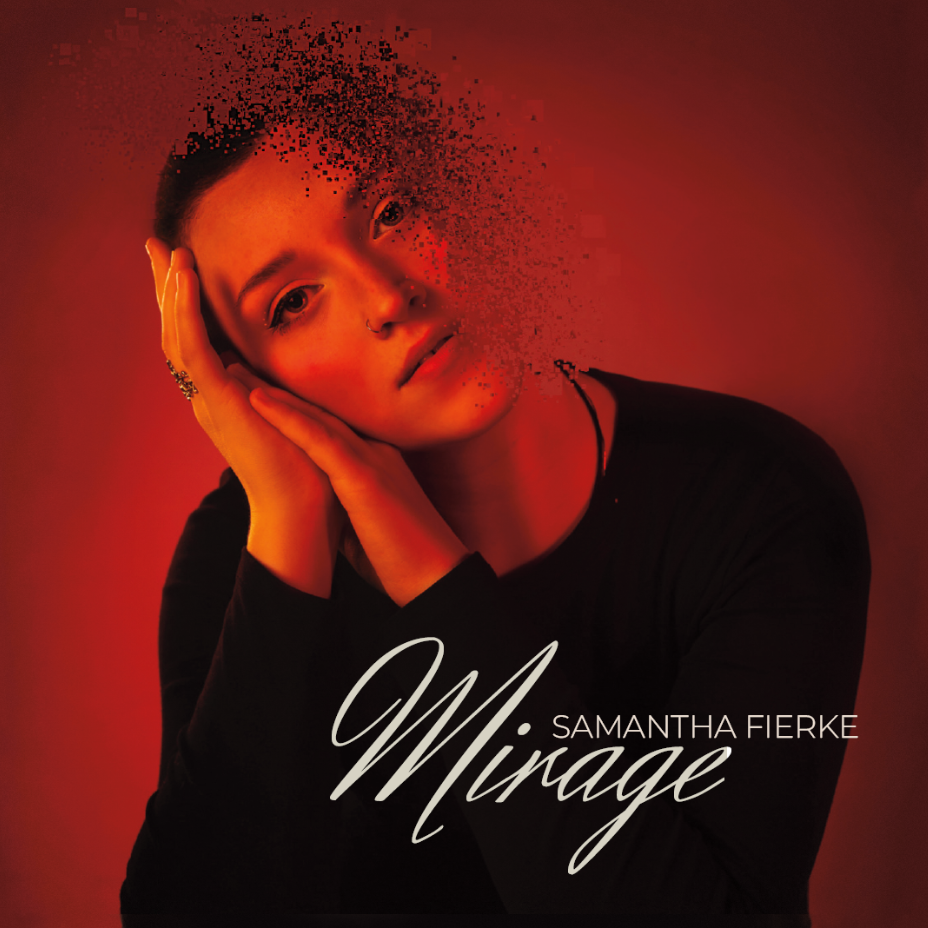
Mirage by Samantha Fierke (music)

A delightful jazz album from someone with a load of both talent and skill, along with a terrific voice.

~~

I can’t wait to see what my friends and family accomplish in 2023. Happy New Year to all!

2021 Reading Year in Review

I read some books this year. Here are some words about a few of the titles, placed into random categories I just invented.

Biography of someone I’ve always wanted to know more about:

Sometimes You Have to Lie by Leslie Brody. The subtitle for this is “The Life and Times of Louise Fitzhugh, Renegade Author of Harriet the Spy.” Though her book was formative for me in my youth, with a relatable main character who embraced her own quirks, I never knew much about Fitzhugh. Brody presents a satisfying portrait of Harriet’s creator, a person as real and passionate and complicated as the iconic character she brought to life. Fitzhugh was also an accomplished artist, outspoken against racism, and a person who strove to live a life true to herself, openly gay in an era when closeting was more the norm.


Sweetness and awww:
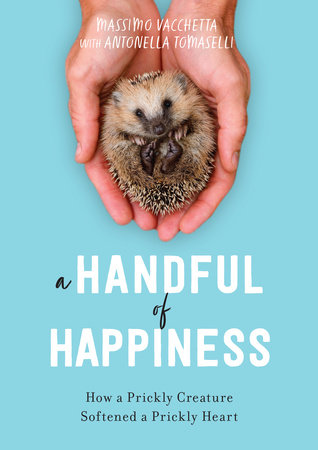
A Handful of Happiness by Massimo Vachetta. This little memoir by an Italian veterinarian who opened a hedgehog rescue center will remind you that compassion is never wasted.


Nonfiction book that made me go hmmm while rubbing my chin in a thoughtful way, but also laugh several times:
A Libertarian Walks Into a Bear by Matthew Hongoltz-Hetling. This book is a sometimes hilarious, other times scary look at a failed attempt to build a libertarian Utopia in a small New Hampshire town. The author does a good job showing the humanity of the people involved, while also detailing the sometimes tragic consequences of prioritizing a rigid black-and-white ideology over the nuances of reality. You can ignore zoning and wildlife regulations in the name of freedom. But when you end up trapped in your house by bears that have come to see humans as their best source of food, that might not feel a lot like freedom.


Poetry that stands the test of time:
Flame and Shadow by Sara Teasdale. I went to the way back transporter for this book by one of Missouri’s Pulitzer Prize winners. Her work puts me in mind of the nature-y essence of Mary Oliver combined with the sharp-edged insights of Dorothy Parker. “There Will Come Soft Rains” gives me chills every time I read it.


Nonfiction that made me want to do what they did:
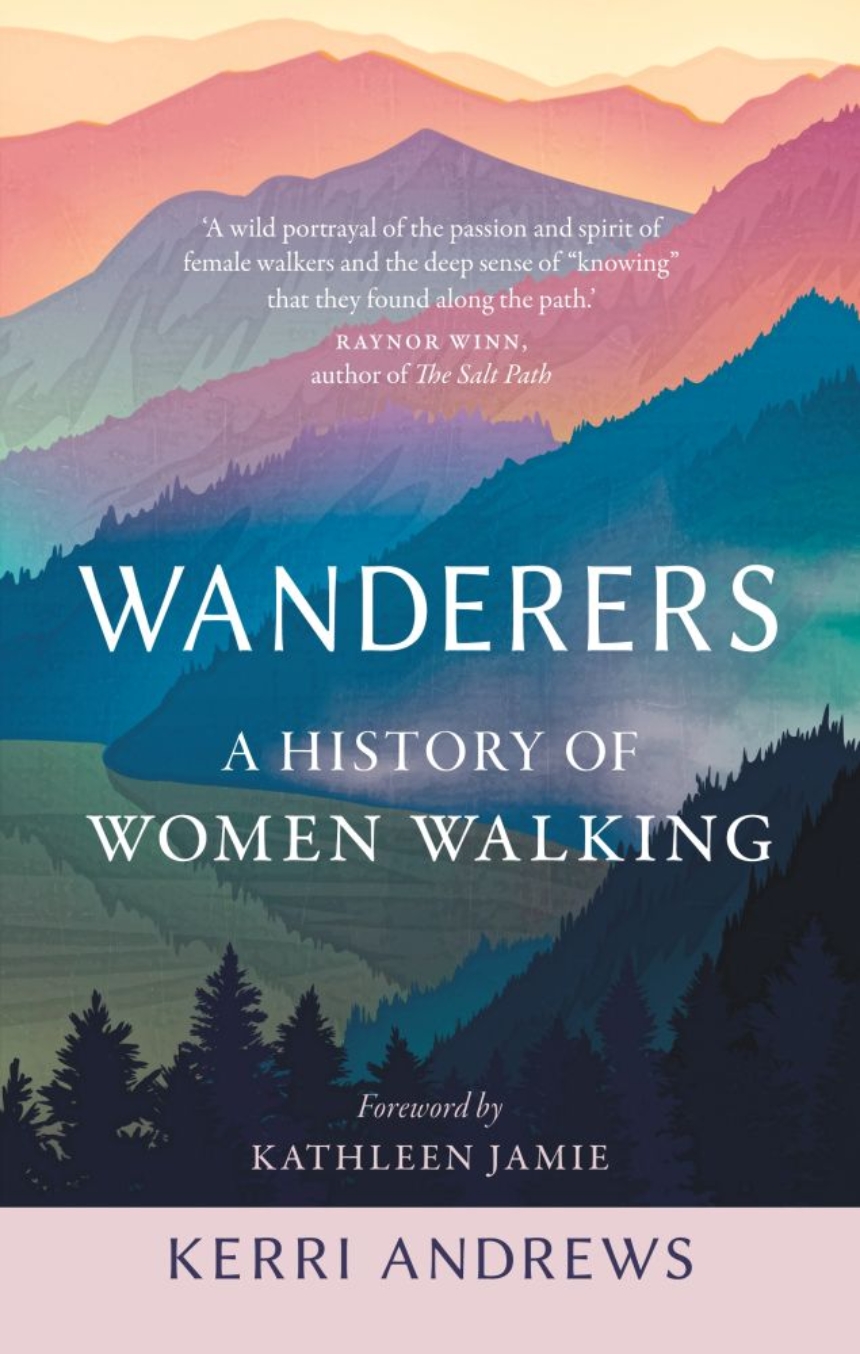
Wanderers, a History of Women Walking by Kerri Andrews. The author begins with some of her own experiences in the mountains of Scotland, then forays into ten separate essays, each one focusing on a single woman who walked. How had I never heard about Dorothy Wordsworth before?


Novel written by a friend that’s so good I didn’t have to pretend even a little bit when I said I loved it:
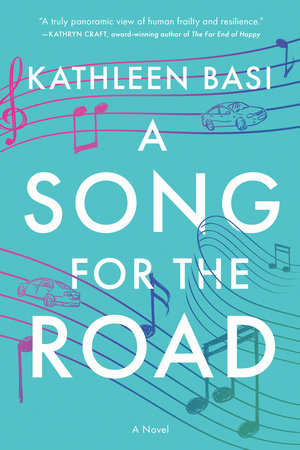
A Song for the Road by Kathleen Basi. Full disclosure — I was a beta reader for early drafts of this. I liked it so much, I still took the time to read the final version. It’s a touching but never maudlin look at grief. A year after Miriam loses her husband and two teen children in an accident, she happens across a road trip app her daughter was developing and decides to follow its prompts in an effort to find a way forward in her life. Along the way, she picks up a young pregnant hitchhiker. This sounds heavy, but there are also moments of real levity.


Highly original fiction celebrating neurodiversity, set in a specific cultural niche:
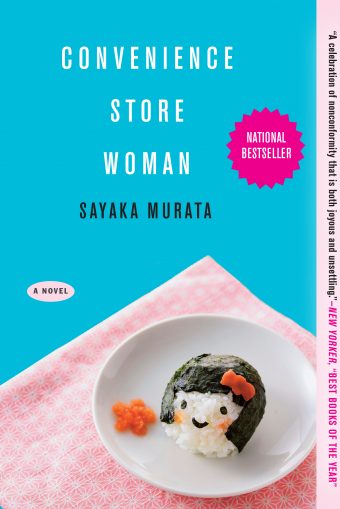
Convenience Store Woman by Sayaka Murata, translated to English by Ginny Tapley Takemori. This is a story about a woman who truly finds her calling, working part-time at a convenience store. If only everyone else in her life could accept this, things would be peachy. But her parents and sister always hold out hope that she will eventually “get better.” Keiko tries with all her might to understand and obey the rules of being human, observing that “foreign objects get expelled.” This book will resonate with anyone who has ever felt like a misfit.


Science memoir that made me say, Wow!:
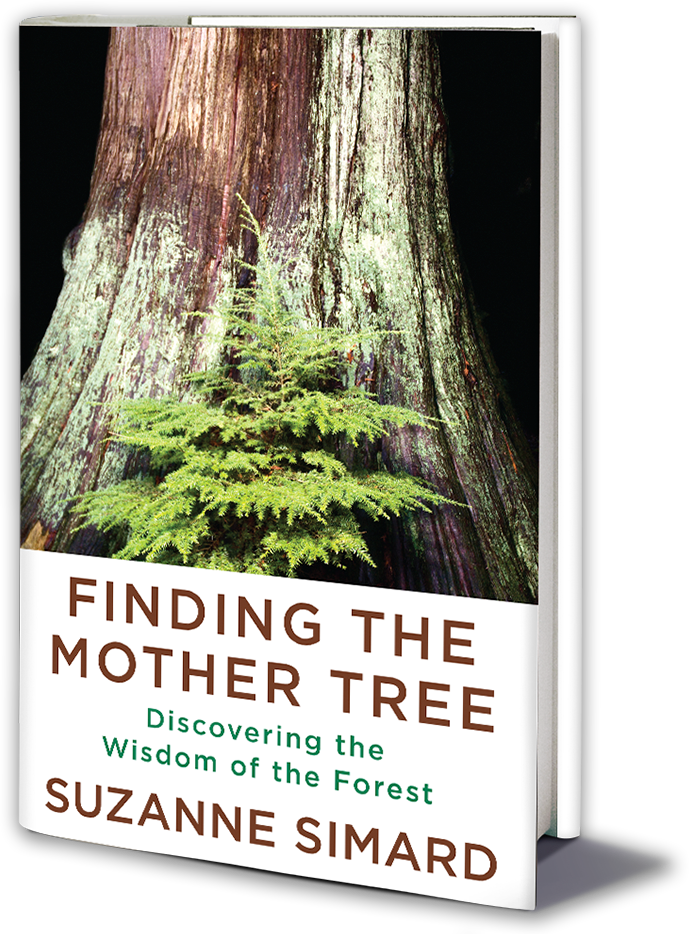
Finding the Mother Tree: Discovering the Wisdom of the Forest by Suzanne Simard. Suzanne Simard is a scientist who knows how to tell a story. Part memoir, part ecology lesson, this book is engaging and enlightening all the way through. The author has a knack for explaining science for the layperson. I was fascinated by the details of her experiments in old growth forests. Her nature descriptions are often breathtaking.

Some things I learned: Many trees in a forest have a reciprocal relationship, sending water and nutrients back and forth. Various kinds of fungi are instrumental in this. In a forest setting, if there’s a dry spell, the older, bigger trees with deep roots will pull up water from underground and send it to the younger, smaller trees with shallower roots to help them survive. That’s one of many reasons that clearcutting out big trees for wood products and replacing them with all new seedlings might not work out well. “We can think of an ecosystem of wolves, caribou, trees, and fungi creating biodiversity just as an orchestra of woodwind, brass, percussion, and string musicians assemble into a symphony.”


Historical fiction with added ghosts that made me say, Wow!:
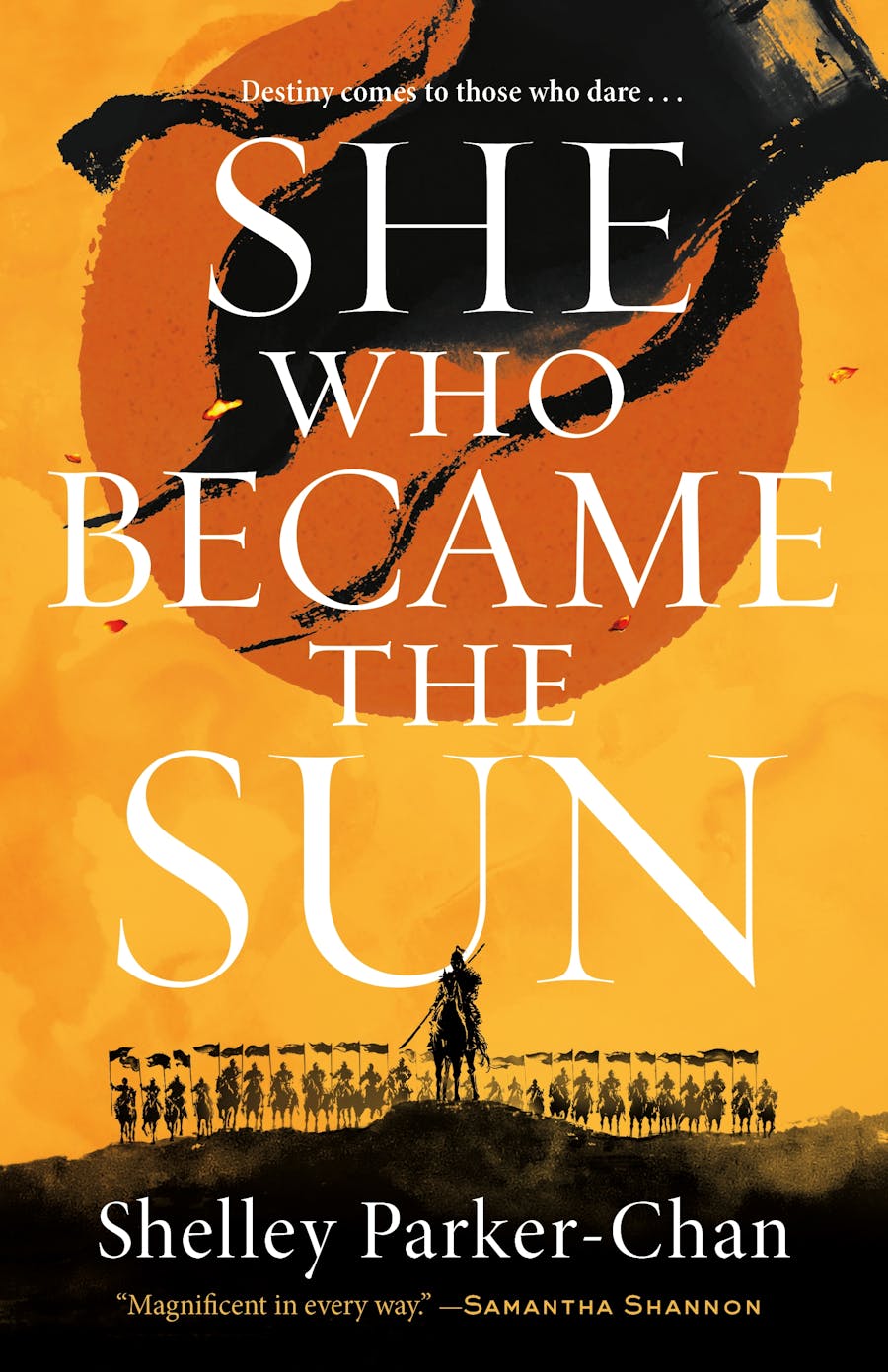
She Who Became the Sun by Shelley Parker-Chan. Set in 14th century China, this story explores themes of fate, free will, loyalty, the nature of power, and of course, gender. Though we’re often taken deep into the point of view of Zhu, a girl who takes on her late brother’s identity in pursuit of his unclaimed fate, the author keeps back just enough so that the story does not become predictable. The characters are complex, the plot is clever, and the story a real page turner. Overall, I’d say this book accomplishes what art is supposed to – it made me feel and think deeply.


Laugh riot classic:
Carry On, Jeeves by P.G. Wodehouse. These short stories are a hoot, with the ever-resourceful, comically understated gentleman’s gentleman, Jeeves, time and again saving the skin of his employer, the hapless Bertie Wooster. In the process, Jeeves often advances his own agenda as well. Wodehouse had a genius for turns of phrase — “shrubbery that looked as if it had just come back from the dry cleaner” to describe a meticulously groomed garden, for instance. There’s quite a bit of slang of the era, and some that Wodehouse invented, but it’s easy to figure out the meaning by the context. I felt these stories were bracing — not the least bit rummy.

~~

Meditative Librarian

pile of books
Photo by Pixabay on Pexels.com

I saw a job listing for a meditative librarian. But on second read it was metadata librarian.

Nonetheless, now that the position of meditative librarian has been created, even if only in my own mind, I aim to fill it. I will be your meditative librarian. Let’s begin.

Find a comfortable position, in a meditation hammock perhaps.

Feel the weight of the book in your hands. Allow the pages to open naturally.

Breathe in the new book or old book smell.

Feel the weight of the words in your soul.

If reading leads to thoughts, no matter. Let those thoughts occur naturally with no resistance. When you notice them, simply turn your attention back to your reading.

Feelings may arise. Allow them to be.

Let yourself sink into the words on the page. Feel the connection to the world created therein. Hold the characters in your mind. May they be happy. May they be healthy. May they overcome the story’s conflicts.

You are as one with the other readers who have inhabited this same world. All are interconnected.

Allow yourself to continue to read, not trying to control or direct your emotional responses.

Breathe in, rising action. Breathe out, denouement.

When you are ready, end the reading meditation gradually. Close the covers slowly. Take a few cleansing breaths. Stretch and allow your gaze once again to take in your surroundings.

Remember that a regular reading practice contributes to health and well-being. Set aside a time every day if possible.

A Safe Place You Can Take With You

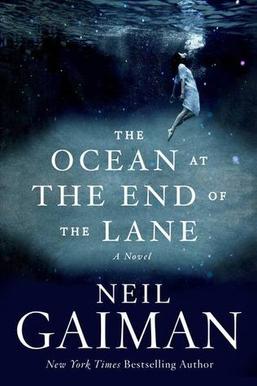
I recently re-read Neil Gaiman’s book, “The Ocean at the End of the Lane.” It’s a quick and thrilling read. The narrator, an unnamed man now in his forties, comes home for a funeral and revisits the family who lived down at the end of the lane from his childhood home. While there, he recalls events from the year he was seven. The happenings included encounters with powerful and sometimes terrifying creatures.

Avid readers will identify with the protagonist when he says, “I went away in my head, into a book. That was where I went whenever real life was too hard or too inflexible.”

Without giving too many spoilers, I’ll stick with saying his situation gets to the point where even his home and family aren’t safe for him. But he still has his books. He reads about Narnia. He reads his mother’s old books about teenage girl heroines who save their country in World War II. He takes refuge with Dick Whittington and his cat. Here’s the really brilliant part. When he’s in danger and can’t get to a book, he keeps himself together by thinking about books he’s read. They’re still with him in his head. It’s even what he says. The safe place is in his head; books get him there.

This struck me because there have been a number of times in my life where no place felt secure, or when I was in a fraught situation where I couldn’t physically leave. But I could read. Whether I was visiting with literary characters who were experiencing the same things I was and thus made me feel less alone, or going on an incredible adventure completely removed from my corporeal life, I could take mental flight through books. Like the boy in Gaiman’s book, I discovered I could create a safe space in my head. I can carry my safe space with me. It’s a pretty good coping strategy. Honestly, I don’t know how non-readers survive.

Happy International Peace Day

IMG_0019

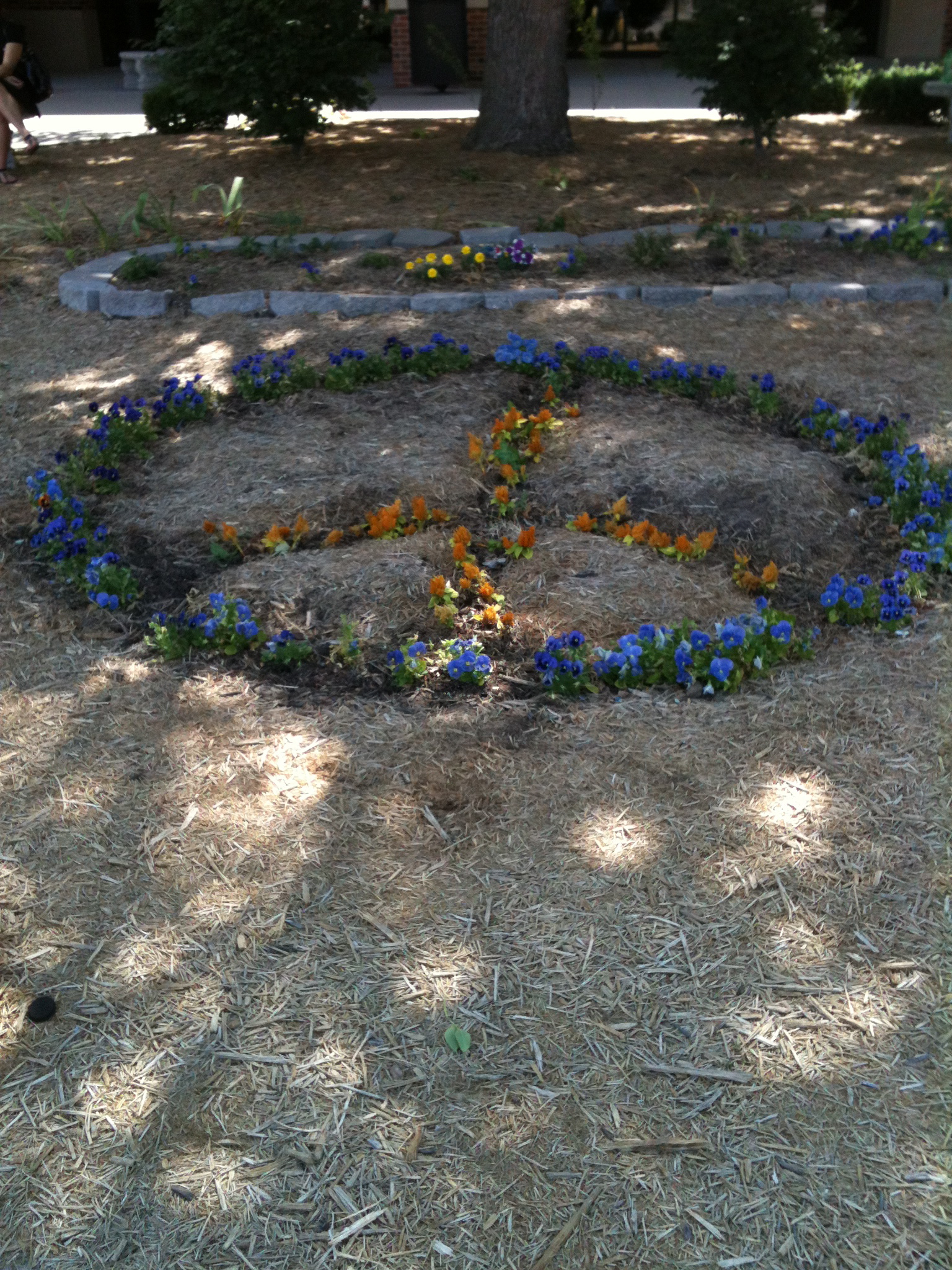
Happy International Peace Day!

What are your favorite books about peace?  Here are a few of mine:

“The Story of Ferdinand” by Munro Leaf. This story of the bull who refused to fight remains one of my best-loved children’s books. I love how Ferdinand has nothing to prove and only wants to be himself, sitting peacefully among the flowers.

“The War Prayer” by Mark Twain. Think about what you’re praying for when you pray for victory in war. Really think about it.

“Slaughterhouse Five” by Kurt Vonnegut. For all of it SciFiNess, this gives a very realistic look at how unromantic and ridiculous war is.

“The Secret Garden” by Frances Hodgson Burnett. Yep, I consider this kids’ tale to be a book about peace. There’s nothing about resisting organized battles, but there’s lots about people from different backgrounds coming together and discovering the dual powers of love and responsibility to improve their lives.

Characters Who Don’t Look Like Me

In case you missed it, NPR recently conducted a reader survey about the best young adult novels of all time. After the votes were tabulated, they published a list of the top 100. Now, they’re discussing why they ended up with what may also be the “whitest ever” list of teen books. I hate to admit, this never occurred to me as I voted nor as I eagerly scanned the final list.

I will mention, in the second article they miss two main characters who are not white in the books. Katniss Everdeen of “Hunger Games” is described as having olive skin and black hair. And Ged (aka Sparrowhawk) of the “Earthsea” trilogy, also has dark skin and hair.

Still, the representation is pretty slim. And this set me to thinking about my own writing. I’m white and I tend to write main characters who look like me. I can think of only one exception. Of course, I haven’t written prolific amounts of fiction (yet.) Part of this is that I’m not sure I would be able accurately to “get” the experiences of people who haven’t lived as a white person in the U.S. I do have some characters who are other races, however. So is this diversity on my part, or tokenism? And how can I tell the difference? I struggle with this question. The few stories I have written take place in my country and I want the population to look realistic, including the variety of people you’d meet.

Ursula K.  Le Guin, I’ve noticed, is a white author who often has characters with darker skin (I’ve already mentioned Ged.) And she manages to pull it off. But then again, she’s writing science fiction, so her characters’ cultures are of her own invention. For the most part, I think it’s important to make a place for a diversity of authors if we want a diversity of characters.

I work in a public library, and I try to be aware of the entire population we serve – baby to elderly, different cultures, different genders, different sexual orientations, different abilities. One small example is the New Biography section. In our “New Books” area, we try to put as many books as possible face out, so patrons can see the cover. We have hangers for a few face-out books on each end of the shelving unit, and sometimes we can fit a few face out on the shelves, as well. I can’t help noticing that most biographies – still, here in the 21st century – are about white men. Really, a large, large percentage of the new biographies we have. I don’t want to short-change anyone, including white men, but I think having a variety of faces show up on our shelves is one small way to make sure different groups of people feel comfortable and welcome using the library. We’re always pushed for time and it’s easy, hurriedly grabbing a handful of new biographies for display, to end up with a wall of white and male. When I see this happen, I try to take a minute to find at least a couple that are female and have other skin tones. I know many of my co-workers do, too.

Now, I’m going to feel compelled to go back through my own book lists I’ve published here and see if I’ve been as inclusive as I could be.


Do You Have Something to Read?

“Oh no. I forgot my book!” That was me, in the salon where I had taken my son for a haircut. Imagine it said in a tone of real panic, because it was. I was reduced to reading a fashion magazine while I waited. Not reading didn’t seem like an option. There was printed matter in front of me, after all, even if it wasn’t my first choice of material.

“Do you have something to read?” This is me any time I’m taking a road trip with my kids.I ask this the way other moms ask “Did you pack your toothbrush?”  I try to remind them, as well, if we’re going some place with a waiting room – doctor, dentist, etc. “Bring a book; we might have to wait.” My kids and I have serious discussions about what they’re going to read next when one of them has just finished a book. These are the among the most joyous conversations of my life.

I found the greatest purse at a yard sale. It’s big enough to fit my wallet and a book. I try to keep a book with me most of the time. I know people who claim they don’t have time to read. But I’ve finished many a chapter while sitting outside a school, waiting for a kid to come out the door. Also, I read while I eat breakfast. And on my break at work. I’ve even been seen cooking dinner with a spatula in one hand and a book in the other. I don’t burn too many things. Thank goodness I’ve never caught a book on fire. Yet.