To Do Lists

I was sorting through some of my poems, and came across this one I wrote in 2006.

To Do Lists

To be done before vacation:
Catch up all laundry
Make sure the grass is cut
And the bills are paid
Clean out the van

Upon returning:
Write a novel
Land a book contract
Transform my chronically messy house
into an aesthetically inviting
gathering place for the group of very hip
writers of which I will be a central figure
But first:
Clean out the van
Do the laundry
Pay the bills
And mow the yard

**

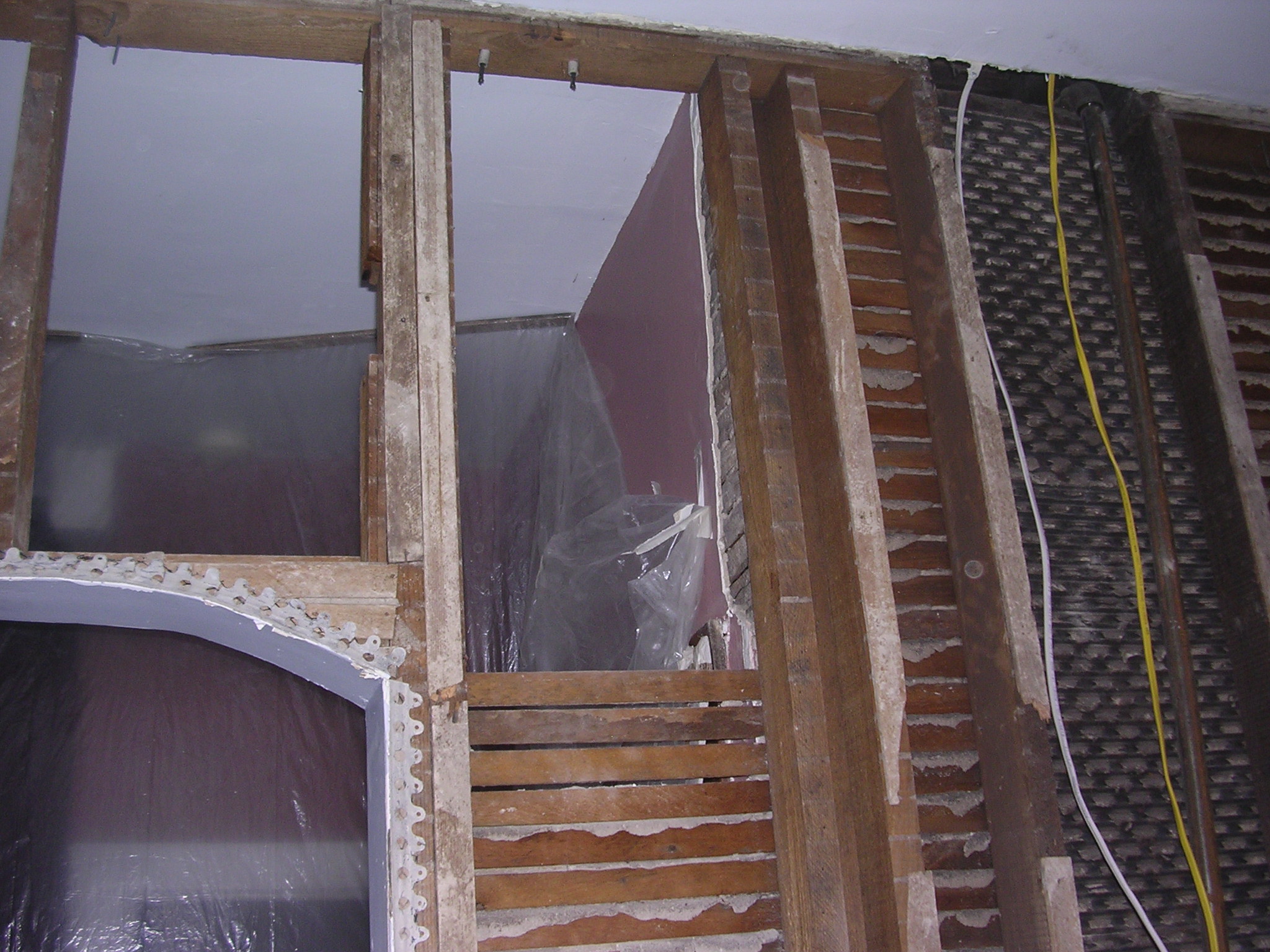
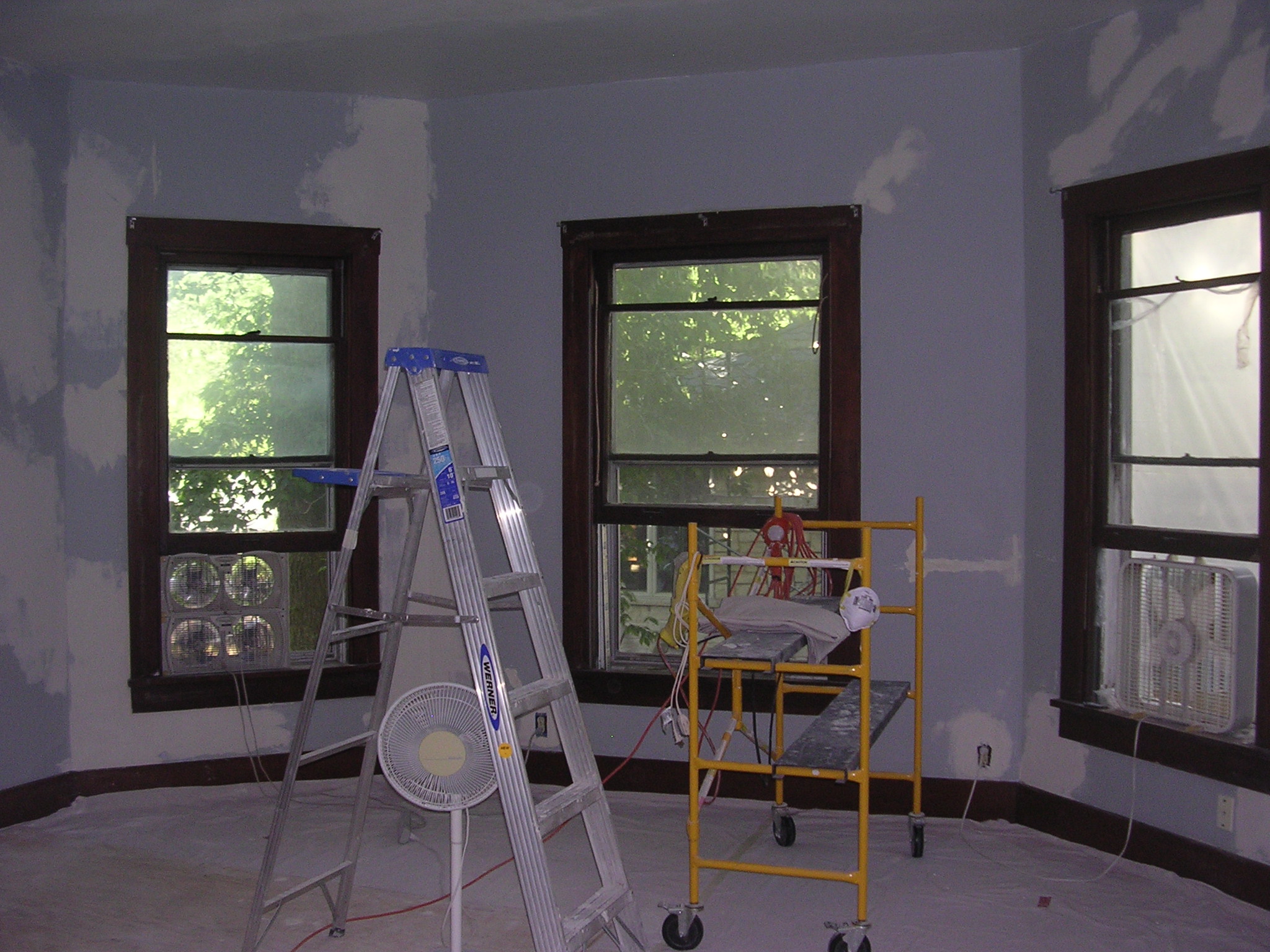
I’m still working my way through the line items. But I can check mark “write a novel.” And I’m making efforts at some of the others. Some photo evidence from the past year:


I still have a distance to go, however. One step at a time.


A Heartening Little Sign for Poetry

I was just renewing my library books on-line a few minutes ago, when something unprecedented happened. A book of poetry failed to renew because someone has a hold on it. Frequently, I find I can’t renew a title because of someone else’s hold. But it’s never happened before for poetry. And I check out poetry a lot. Also, I renew a lot.  (Oh shush. Working at a library doesn’t mean I’m any better than anyone else at returning materials on time.) So I have a feel for how uncommon this is.

In fact, I tried two more times to renew the book, thinking I’d somehow failed to click the correct box or something. Then I finally read the message about the item having holds, the message that informed me there are people in this city who care about poetry, who want to read it.

The book in question, in case anyone wonders, is Apocalyptic Swing by Gabrielle Calvocoressi.

Book Thoughts: Sharp Teeth by Toby Barlow

Working in a public library as I do, I’m often reminded of how much has already been written. Occasionally I look around at the shelves full of books and think “It’s all been done already. We can all stop writing now.”  But I’m happy to report I’m consistently proved wrong.

For instance: Sharp Teeth by Toby Barlow. A werewolf novel written entirely in verse. Epic verse isn’t new, of course. And werewolf novels are everywhere right now. But a combination of the two? I couldn’t not read it, figuring it couldn’t be mediocre; it had to be completely terrible or really, really good.

I count the book a success on all counts. It works as a novel, with engaging characters and an intriguing plot. There’s love and life and death and power plays and vengeance, and confused characters muddling through life caught up in it all. And it works as poetry, the choice of words and meter striking the place in you where poetry strikes, and still keeping the story flowing.  Example: “At night he lies down on the benches and contemplates/ the deception of starlight, long dead suns making small lights/ almost bright enough to guide the way.”

Barlow gets the balance right, sacrificing neither the fiction nor the poetry aspect in the cause of the other.

Is it obvious how much I liked this book? It’s so nice to come across something fresh, a reminder that we humans are endlessly creative. And it’s nice to see a writer following his own vision and making it work. I’m thinking of all of those writing conferences where authors are asking what editors are looking for at the moment, and nobody ever answers “Werewolf poetry.”

I have one warning for the squeamish. Though not gratuitous because it does serve the story, some of the violence is quite graphic.

Writing Poetry

I’ve always liked poetry. For years, I’ve made a habit of reading at least one poem every day. I do skip a day now and then, but not often.

My writing has focused more on poetry than prose, as well, until about two years ago. Over the past couple of years I’ve been focused on a novel and have been struck with many ideas for short stories, and the poetry has fallen off quite a bit.

But, with the novel more or less finished, I took the arrival of April – National Poetry Month – to get back myself back into the poetic mode. I’ve been writing a poem every day. It’s been good for me. I get a lot out writing in general, but I’m rediscovering the value of writing poetry specifically.

~Edith Södergran said “I don’t create poetry, I create myself, for me my poems are a way to me. ”  For me, this rings true. Even when I compose a bad poem, I often develop new insights in the process. For instance, this month I’ve realized one reason why I still pray sometimes, even though I’m agnostic; it helps me focus on what’s important to me. I guess I could say the same for poetry. I came to this new knowledge of myself because I started writing a poem about prayer.

Writing a poem, too, makes me really look at, listen to, and experience the world in a conscious way. For me, then, poetry is a path of mindfulness, and a way to keep myself connected to the universe.

I’m glad I made the decision to reconnect with my poetic muse. It’s an enriching relationship.
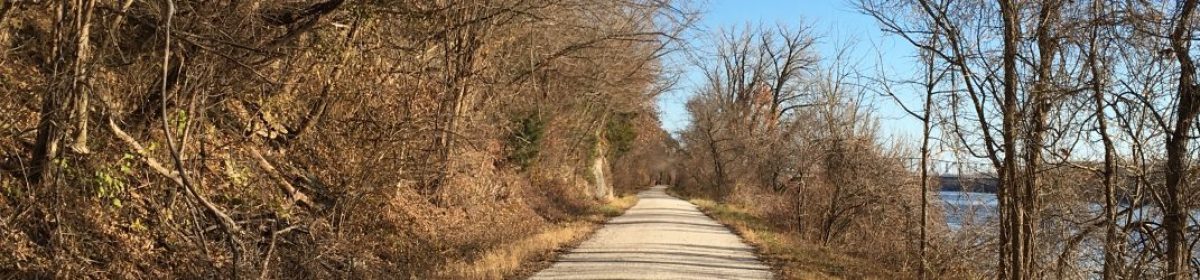
Obligatory Cat Poem

I say obligatory because so many poets write about cats. My family’s cat, Dude, really was a cat in a million, and I loved him unreasonably.

So far, I’ve managed to write a poem every day this April. This is one of them.

Dude

Hang around cat
Amber eyes surrounded by
Orange on orange
All attached to a companionable
Nonchalance
Not a lap cat
Not a fighting cat
Not a recluse cat
But a hang around cat
If you’d been human, you’d always
Have had a light for the buddy’s
Cigarette and a six pack of beer to share
But no advice
Only a thereness for everyone
To come to depend upon
As the humans in your household did
With your catness
Some part of your thereness is still here
Even if you aren’t

April Fool’s Resolutions

The dead of winter doesn’t really seem like a great time for making a fresh start. I think spring, about two weeks in, is more appropriate. So in that spirit, I’ve written a poem containing my April Fool’s resolutions.

April Fool’s Resolutions

Starting today

I resolve to play more tricks
on my family and my friends,
to begin each day practicing
a silly walk,
to lose the weight of serious
introspection.

I will quit all smoking that does
not involve smoke bombs and all drinking
that does not involve a dribble glass.
I will save money
by crafting my own pranks at home;
Handmade is best.

I’ll study hard to learn new jokes.
Reorganize things, though I won’t say
whose.  I’ll seize each opportunity
to get a laugh
But most important of all, I resolve
to watch my back.

With Apologies to Emily Dickinson

My Snake

A headless fellow in the grass
Bleeding and lifeless lies,
I did not see him, till too late.
Mower blades met him first.

Grass is short now; he lies exposed,
His stripes truncate too soon;
Tip of the tail is severed, too.
He died this afternoon.

He liked the elm tree’s shade,
Protected from the sun
He made a nest at its roots,
Was sleeping there this morn.

Many days I’ve seen him slither
And pass before my feet.
I never meant him harm; when
I saw him, I’d retreat.

Several of these snakes I’ve had
Abiding in my yard,
Neither of us aggressive,
Yet both kept on our guard.

But never met one so close
By accident or purpose,
To touch him with my hand
Or with the blade’s sharp surface.

**

This is based on an incident from a couple of years ago. I started a poem about it then and forgot it until recently. I found the nearly finished poem earlier this week and brought it to its conclusion. I really didn’t run over the snake on purpose.

Sestina: Example and Form

It’s not about peanut butter, but here is an example of a sestina. I wrote this poem a couple of years ago:

Wasps In Fact

I know the facts of the story.
I was there as witness, of course
and more than that, one of the saved
during the slaying of the wasps.
My father played the hero role
armed with a spray can and ladder.

Not sturdy, it shook, the ladder
as he climbed to the top story.
I never questioned my dad’s role,
the labor of knocking off course
any homesteading plans of wasps,
nor doubted if I would be saved.

The nest was enormous; he saved
it, carried it down the ladder,
proof that the multitudes of wasps
matched the large claims of his story.
The stings he received in the course
of battle also served this role.

He insisted they played no role
in making him sick, the stings, saved
that blame for the flu cutting course
through the city. That the ladder
needed fixing fit the story
well, too, but not illness from wasps.

Now it falls to me, fighting wasps.
My children have filled my old role.
I saw right through my dad’s story
long ago. The spin he used saved
his ego I thought. The ladder
held steady later on, of course.

Raising children has been a course
in hindsight relating to wasps
and the sturdiness of ladders.
Less a character trait than role
requirement, dad’s bravado saved
us from fear; that’s now my story.

Over the course of time, the role
of wasps did not change; also saved:
the ladder’s part in the story. 

***

I’ve seen variations on the form, but they all involved using 39 lines and repeating the same six end words. I took my guidance from The Book of Forms by Lewis Turco. 

You can read more about the sestina here:

http://www.poets.org/viewmedia.php/prmMID/5792