
Some words about some books I read this year.
Fiction that ticked the categories for favorite of the year, most original, and book I wish I had written:
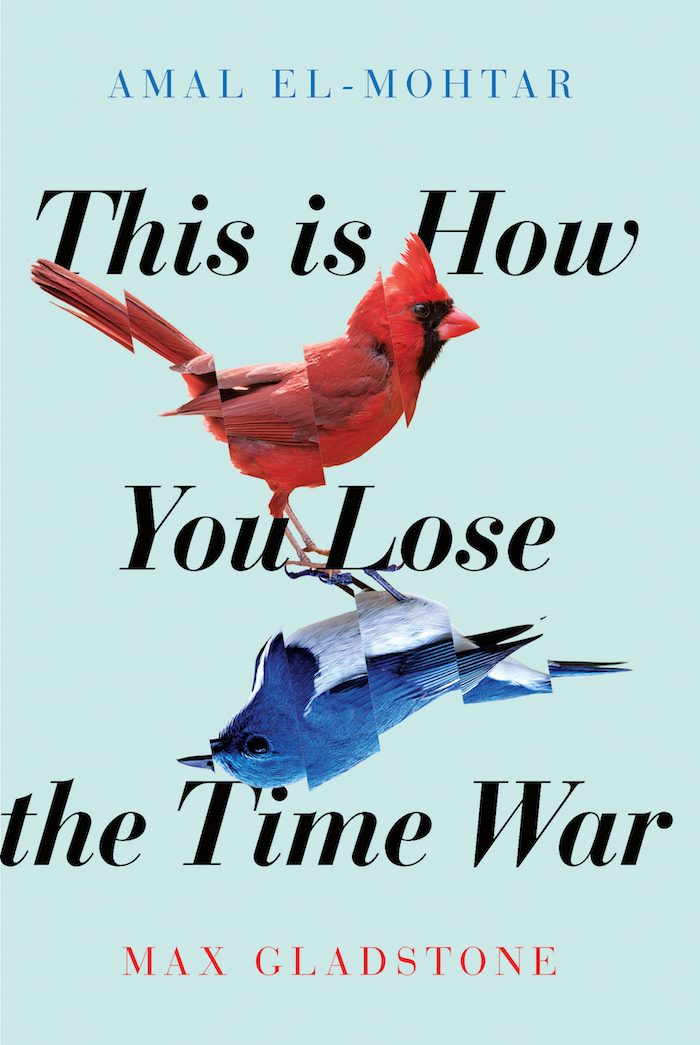
This is How You Lose the Time War by Amal El-Mohtar and Max Gladstone
Labeling this is my favorite fiction read is really saying something because I had an exceptionally good reading year with amazing authors.
This is a time travel story, but not in a headache-inducing way that requires the reader to become a double-ledger accountant. Top agents from each side in the time war finally find worthy adversaries in each other and begin a prohibited correspondence, taunting each other to begin with. This is also an enemies-to-love-interest romance. The plot, such as it is, doesn’t center on the tides of the war. It’s very much about the evolution of the relationship, carried on solely through spy vs. spy type activities and letters delivered in increasingly devious ways. It contains lots of allusions to history, art, and other works of literature. Finding those little easter eggs is fun.
These lines hit me hard in light of current events. “Hope may be a dream. But she will fight to make it real.”
Author who was double dipped by me this year:
Emily St. John Mandel, with Sea of Tranquility and The Glass Hotel.
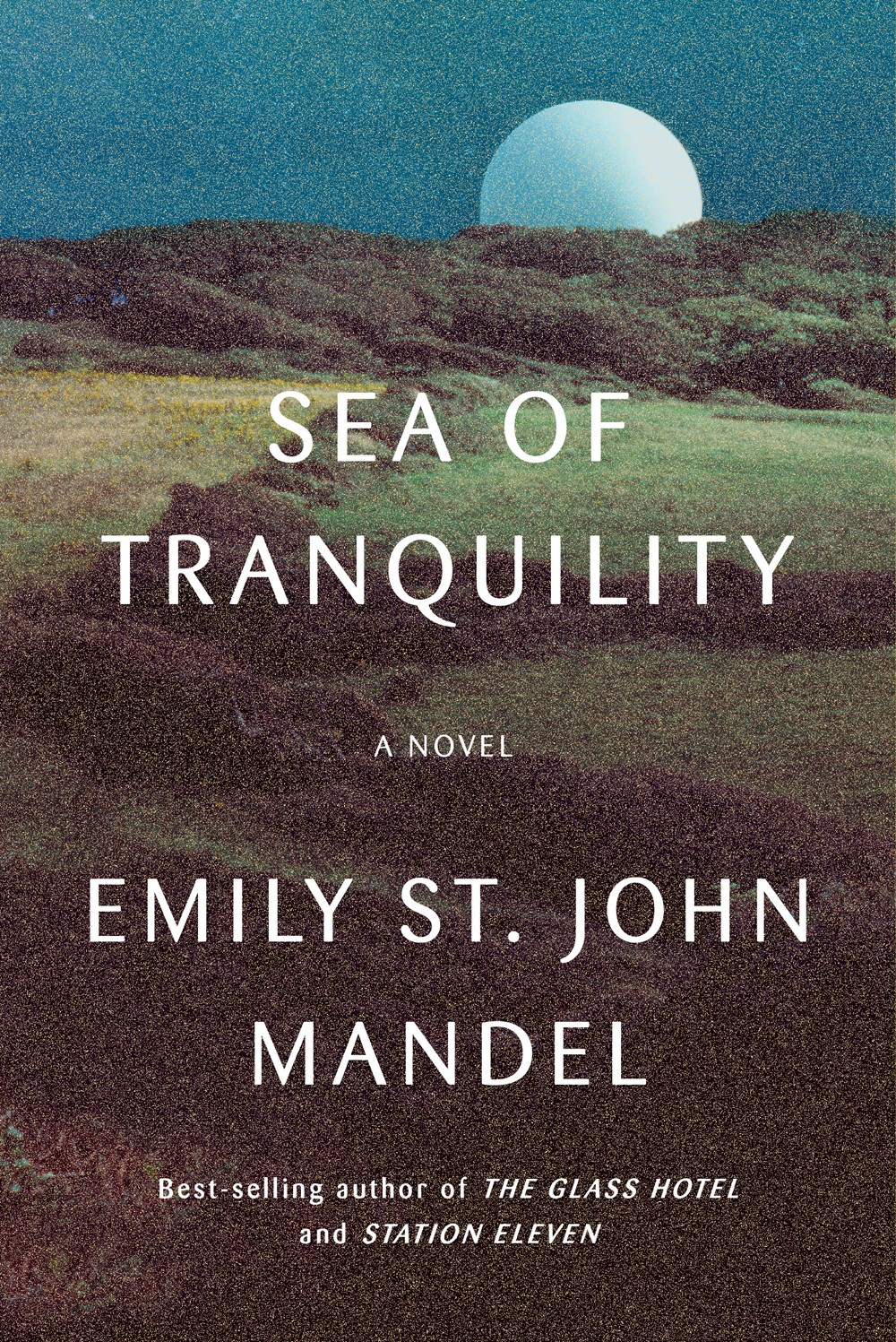
Sea of Tranquility is yet another time travel book. I guess that’s my theme for 2024? It’s the story of three different people experiencing the same eerie phenomenon at the exact same place in the Canadian wilderness – the feeling, sights and sounds of being in two places at one time, accompanied by the sounds of violin music and airship travel — but spaced out over centuries. It’s also a tale of a pandemic and humanity’s perpetual existential crisis, as embodied by a time traveler who is determined to unravel the mystery.
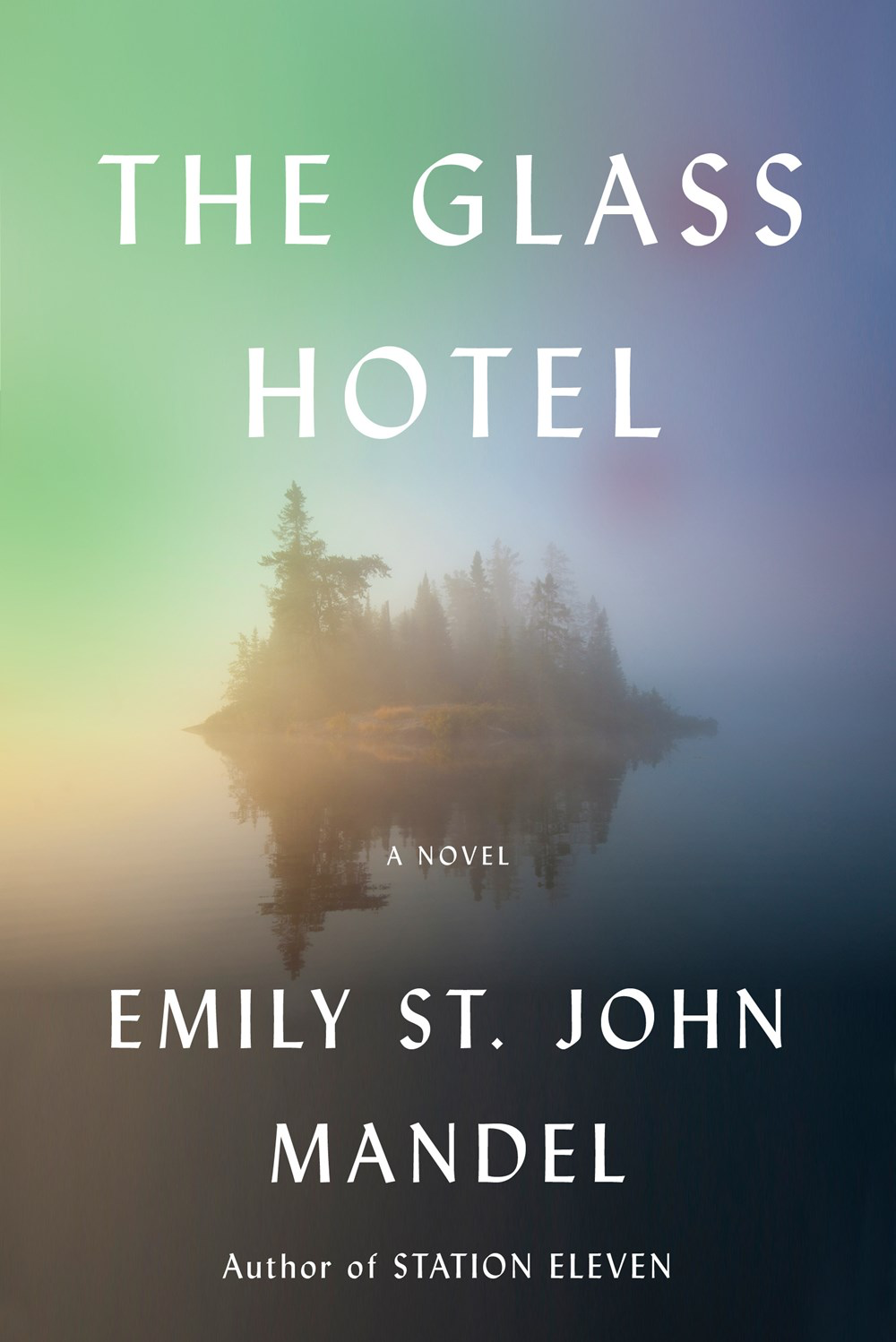
In The Glass Hotel , the narrative moves back and forth in time. But none of the characters time travel. I will read anything by Emily St.John Mandel because she knows how to tell a story, and especially how to take you deep into a character’s point of view. The glass hotel is the central “character” that serves as a hub connecting everyone else in the book. This is a character-driven narrative, but also a page turner. The 2008 economic collapse plays a big part in the plot, with its ripples spreading throughout many lives.
Climate fiction that shows how to hold onto hope amidst devastating loss:
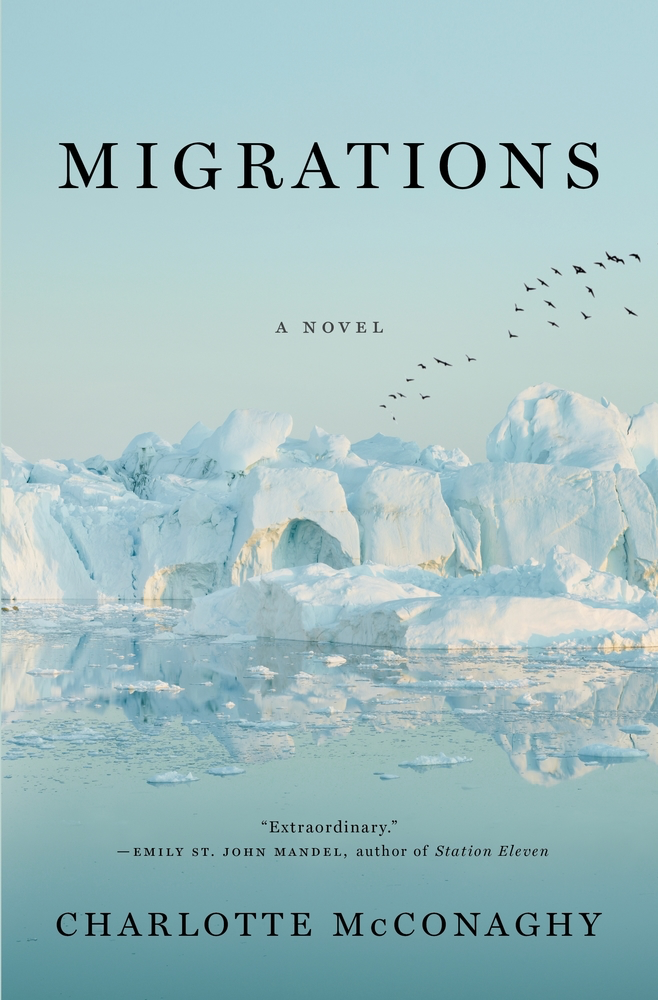
Migrations by Charlotte McConaghy is set in a near-future world of mass extinctions. Franny Lynch, is obsessed with following what is probably the very final migration of the few remaining arctic terns. Through flashbacks, we come to learn Franny’s story and ultimately, what is driving her fierce–one could even say maniacal–determination to see through her project. After she talks her way onto a fishing boat, promising the captain he’ll find fish if he follows the birds, we also come to know the members of the crew and see their relationships with Franny develop.
One of the early mysteries of the book is what happened to Franny’s mother, who disappeared when Franny was ten years old. Disappeared just like the birds and the fish and many animals are doing. Largely, this is a book about grief and how we can try to heal and move forward in the face of unfathomable loss.
Fiction that made me both ugly cry and laugh myself silly:
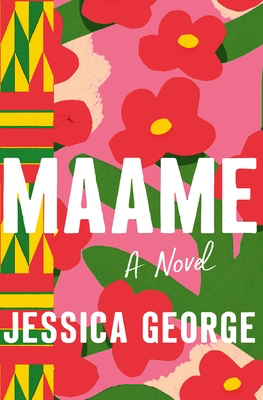
In Maame, Jessica George bestows a terrific voice on her main character, Maddie Wright, a 25-year-old Londoner who still lives with her dad because she has become his primary caretaker since his Parkinson’s diagnosis. Maddie’s mother spends months at a time in Ghana, purportedly helping with a family business. And Maddie’s brother James is just too busy. When the chance finally arises for Maddie to move out on her own, she has a lot of lost time to make up for.
Memoir that made me ponder the existential:
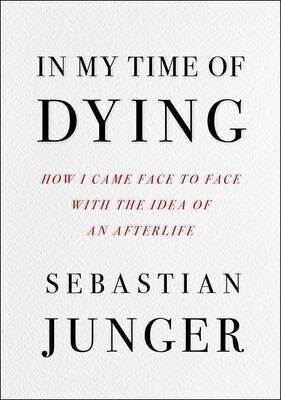
In My Time of Dying by Sebastian Junger, who approaches his own near-death experience with the same investigative techniques he uses for other topics, weaving anecdote and feeling with background information. I was struck by his determination to try to understand how physics ties in with the possibility of an afterlife considering that his own event involved an interaction with his late father, a dedicated and accomplished scientist.
Quote:
“Your pulse is your life, the ultimate proof you’re animate and have something rare to lose. Everything alive has some kind of flux and ebb, and when that stops, life stops. When people say life is precious, they are saying that the rhythmic force that runs through all things–your wrist, your children’s wrists, God’s entire green earth–is precious.”
Memoir that resonated with me so hard I talked about it in therapy:
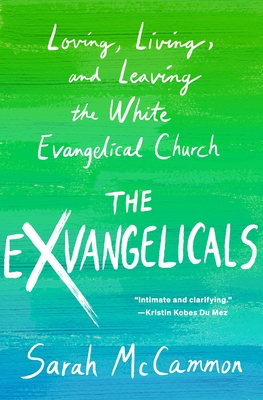
The Exvangelicals by Sarah McCammon is a book I really needed. As an exvangelical myself, it was a deeply meaningful read for me. I think there’s a lot of healing in sharing stories and knowing you’re not the only one. I’ve been out of extreme right-wing evangelical Christianity for decades now (I do still consider myself Christian, just a different flavor) and am still unravelling all the threads. It might be my life’s work.
McCammon shares not only her own experience, but also words from other exvangelicals, many of whom point to their former church’s embrace of Trump as an inflection point for them. As one of the earliest of Gen X, I had a very similar experience re: Reagan. I wasn’t voting age the first time he ran, but I was just starting to tune into politics and couldn’t wrap my head around my elders choosing him over Carter because they believed Reagan was more “pro family.”
Quote: “Wounded people have a natural instinct to push back, to protect themselves. And for those of us who grew up in the culture wars–who’ve been trained to fight and to fight hard–laying down the sword, taking off the armor, and tending those wounds is one of the biggest battles of all.”
Nonfiction I believe will be useful in the coming year(s):
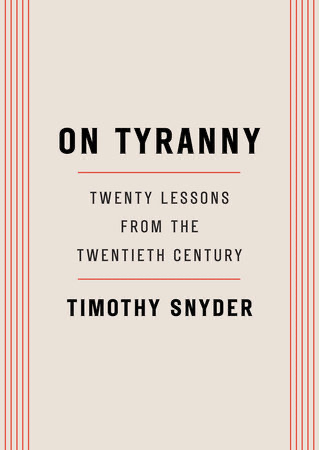
I wish there was no need for On Tyranny by Timothy Snyder. But given the circumstances, I’m glad it exists. Each chapter is only a few pages and focuses on one piece of advice in dealing with authoritarian governments. The general format is directive/short explanation of what he means by it/ historical example of how people have done it effectively/practical suggestions for your own life.
There’s a lot in here about living authentically, embracing truth, maintaining empathy and building community. But it’s all succinct and easy to follow. I highly recommend reading it ASAP.
Onward to 2025! May our lives be full of joy, meaning, and books!

 Nomadic Noesis
Thanks. I’ve added a couple to my reading list.
LikeLiked by 1 person
Wow! I didn’t realize the preview was going to show just the words “you lose.” LOL.
LikeLike